


Supreme Court Clarifies Guidelines on Criminal Antecedents in Student Protest Cases
The CSR Journal Magazine

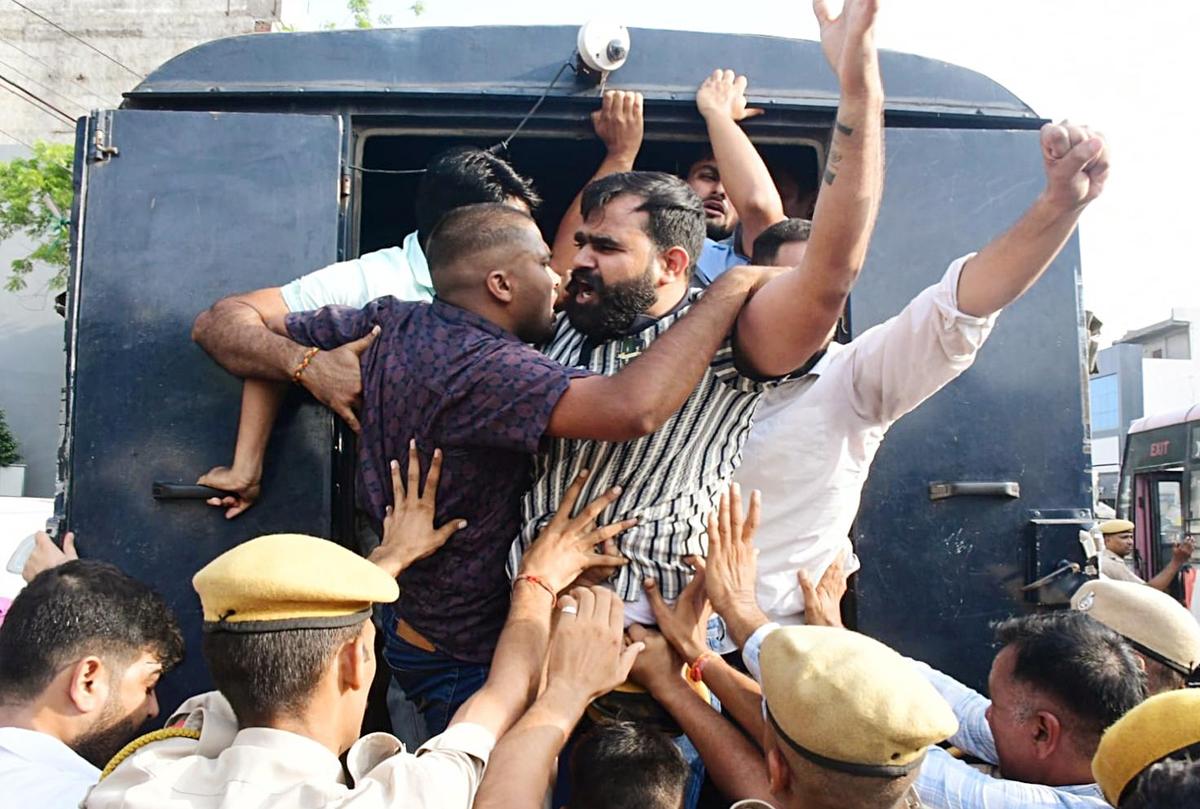
The Supreme Court provided clarification on August 3 regarding its interim order from July 28, concerning cases related to student protest violence. The Court stated that the National Capital Territory of Delhi and other state governments have the authority to withdraw or close criminal cases in line with the law. This clarification came during the Court’s proceedings addressing allegations of police excesses during the protests.

Chief Justice of India Surya Kant presided over the bench that delivered the clarification, notably defining the term “criminal antecedents” from the previous order. The Court indicated that this term applies exclusively to individuals accused of serious and heinous crimes, thus aiming to delineate the legal framework surrounding the treatment of detained protesters.

The earlier order mandated the release of individuals detained during the protests as long as they did not possess any criminal antecedents, effectively stating that those with serious criminal backgrounds would not benefit from this order. This distinction is central to the Court’s ongoing discussions regarding the state’s response to protests.

Proposal for Independent Mechanism to Examine Police Actions

During the proceedings, the Supreme Court also indicated the possibility of establishing an independent committee to investigate claims of police misconduct. Chief Justice Surya Kant mentioned two potential frameworks for this body: one led by a senior police officer and another that would involve a judge, though it would not be officially labelled as a Special Investigation Team (SIT).

This proposed independent mechanism aims to review allegations against both the authorities and the protesters involved in the protests. Senior advocates representing some petitioners argued that the broad interpretation of “criminal antecedents” has led to unnecessary arrests and misapplication of the law.

Solicitor General of India Tushar Mehta defended the government’s position, emphasising that peaceful demonstrators should not be conflated with hardened criminals. He confirmed that steps would be taken to ensure that individuals without serious criminal charges would not face punitive actions.

Future Directions and Centre’s Obligations

The Supreme Court underscored the necessity for a defined mechanism to be presented by the authorities to manage the cases against those detained. The Court suggested that comprehensive records of First Information Reports (FIRs) be compiled, followed by a classification to distinguish between individuals based on their criminal backgrounds.

Justice Joymalya Bagchi suggested potential legal routes following this categorisation, such as filing closure reports or allowing public prosecutors to withdraw FIRs as appropriate. This sets a legal framework that could facilitate the resolution of cases stemming from the protests.

Additionally, concerns regarding the use of pellet guns and the employment of lathis during the protests were raised, with calls for accountability from senior police officials. The Supreme Court requested the Centre to provide affidavits detailing the circumstances under which pellet guns could be utilised, emphasising the need for guidelines on the matter.

The Supreme Court has scheduled further hearings on August 18, during which it will evaluate the proposed judge-led panel’s composition and review the affidavits submitted by the Centre. This upcoming session aims to clarify the future handling of the matters arising from the protests, ensuring that both accountability and justice are addressed.

Long or Short, get news the way you like. No ads. No redirections. Download Newspin and Stay Alert, The CSR Journal Mobile app, for fast, crisp, clean updates!

App Store –  https://apps.apple.com/in/app/newspin/id6746449540 

Google Play Store – https://play.google.com/store/apps/details?id=com.inventifweb.newspin&pcampaignid=web_share

Latest News

Popular Videos
