


Kuwait’s Perspective on the Strategic Importance of the Strait of Hormuz
The CSR Journal Magazine

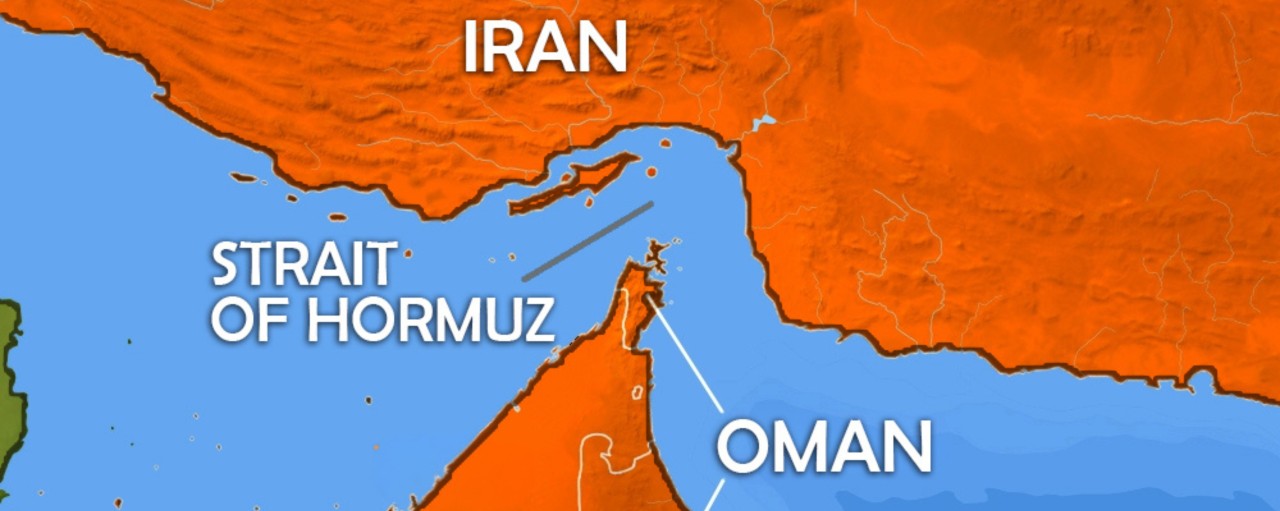
The Strait of Hormuz is regarded as a critical maritime chokepoint, holding immense significance for Kuwait and the broader global economy. For the State of Kuwait, this waterway is not just a transit passage but a vital artery that underpins both national economic stability and international energy security. Every day, an estimated 20 million barrels of oil and petroleum products navigate through this strait, accounting for approximately 20 per cent of worldwide energy flows. This uninterrupted movement is crucial for Kuwait, whose economic framework is deeply entwined with the global energy market, sustaining exports and ensuring predictable revenue streams.

Impacts of Regional Instability

The ongoing tensions and conflicts within the Gulf region have raised alarms regarding the security of maritime navigation in the Strait of Hormuz. Any perception of threat to the shipping routes can result in immediate and consequential repercussions. From Kuwait’s viewpoint, di=sruptions can destabilise global energy markets, increasing the volatility of oil and petrochemical prices, and complicating international trade. Moreover, such disruptions elevate shipping and insurance costs, creating a ripple effect beyond energy markets.

The ramifications of supply chain interruptions extend into various essential sectors. For instance, the agriculture and pharmaceuticals industries could face significant challenges, as delays in deliveries of petrochemical inputs might impact fertiliser production and medical supplies. These disruptions can elevate living costs for populations globally and strain vital services required for everyday life.

There is a direct link between the instability in the Strait and the livelihoods of people worldwide. Increases in fuel prices are particularly burdensome for middle- and low-income families, which can limit their access to essential resources such as cooking gas and transportation. The agricultural sector, reliant on stable fertiliser supply chains, is also at risk, potentially leading to food insecurity and inflation in affected regions.

Kuwait’s Commitment to Maritime Security

In advocating for diplomatic resolutions, Kuwait calls for adherence to international maritime law and emphasizes the importance of collaborative efforts to maintain maritime security in the Gulf. The State firmly believes that the stability of the Strait cannot be safeguarded through solitary actions or coercive measures but rather through dialogue and cooperation. By working together, nations can ensure the principles of freedom of navigation are upheld.

Kuwait’s stance highlights a broader understanding of the Strait of Hormuz, seeing it as much more than just a geographical conduit. It is viewed as an essential component of the global economy and a critical lifeline for energy security. Any disruption along this vital route poses a risk not only to regional stability but also to the international economic framework and human security. To protect this essential corridor, a collective commitment to peace and stability in the Gulf region is vital, demanding coordinated international actions and ongoing diplomatic engagement.

Long or Short, get news the way you like. No ads. No redirections. Download Newspin and Stay Alert, The CSR Journal Mobile app, for fast, crisp, clean updates!

App Store –  https://apps.apple.com/in/app/newspin/id6746449540 

Google Play Store – https://play.google.com/store/apps/details?id=com.inventifweb.newspin&pcampaignid=web_share

Latest News

Popular Videos
