


Kiren Rijiju Criticises Opposition Following Women’s Reservation Bill Defeat
The CSR Journal Magazine

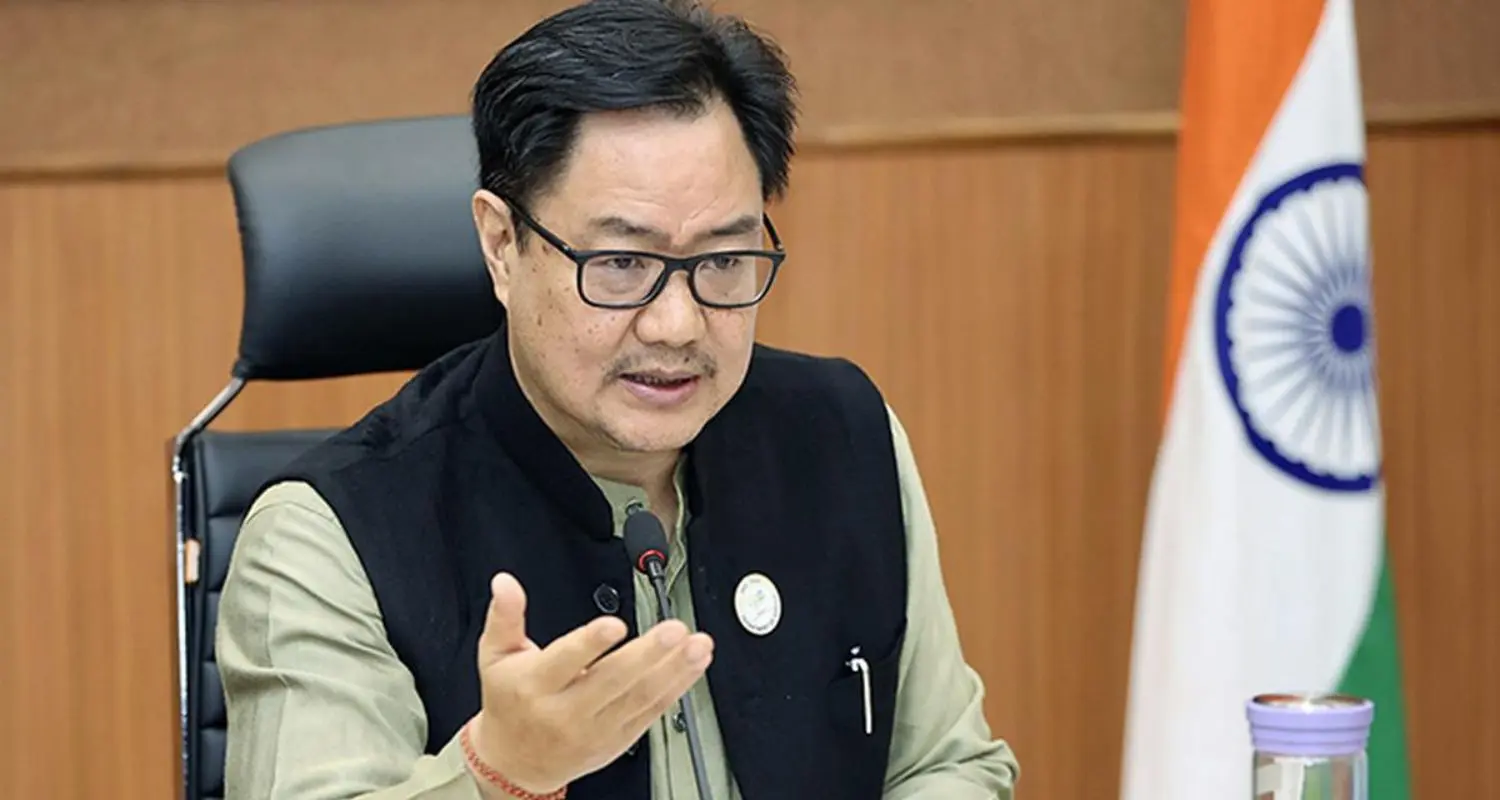
The recent failure of the Constitution (One Hundred and Thirty-First Amendment) Bill, 2026, in the Lok Sabha has drawn a strong response from Union Parliamentary Affairs Minister Kiren Rijiju. He described the event as a “big blow to the country,” attributing the setback to the Congress-led INDIA Bloc. Following the conclusion of the Budget Session, Rijiju addressed the media, stating that efforts were made to build consensus but the necessary two-thirds majority for the bill could not be attained.

Rijiju pointed out that while the government holds a majority, it did not secure the required votes to pass the amendment. He noted that all other government business during the session was successfully completed. The statement underlined the government’s commitment and willingness to progress with legislative efforts.

Link Between Women’s Reservation and Delimitation

During his statement, Rijiju explained the rationale for linking women’s reservation with the process of delimitation, which involves redrawing constituency boundaries. He argued that such adjustments are vital for addressing disparities in constituency sizes, citing examples where constituency populations vary significantly. To illustrate, he mentioned that one constituency might have 40 lakh voters while another has only 60,000.

Rijiju stressed the importance of rectifying these imbalances in a democratic system and suggested that the current constitutional freeze on delimitation until 2026 necessitates an amendment process. According to him, failing to amend the Constitution delays necessary reforms aimed at ensuring equitable representation of women in governance.

Additionally, Rijiju responded to opposition claims suggesting that the government was stalling women’s reservation. He referred to the Nari Shakti Vandan Adhiniyam, which allegedly already incorporated the linkage between reservation, census, and delimitation. He asserted that the opposition’s stance appears to obstruct the progress of women’s representation.

Allegations Against Opposition’s Role

Rijiju further accused the Congress Party of politically obstructing the passage of the bill and highlighted a lack of meaningful consultation. He expressed disappointment that Congress leaders chose to avoid discussions despite invitations for engagement, implying that they preferred to communicate through letters rather than attend meetings on the issue.

The proposal received 298 votes in favour, but it ultimately fell short of the special majority needed for passage, with 230 votes against it. Lok Sabha Speaker Om Birla confirmed the bill’s defeat, leading the government to place related legislative efforts on hold. Rijiju reiterated the government’s dedication to women’s empowerment, underscoring ongoing efforts to implement reservation policies.

In conclusion, Rijiju claimed that the opposition would face repercussions from women as a result of this setback. He accused Congress of having a historical track record of undermining women’s rights and characterised the denial of this bill as a grave injustice. He asserted that the focus should remain on ensuring women’s rights and that resistance from Congress would merely expose their true priorities regarding gender representation.

Long or Short, get news the way you like. No ads. No redirections. Download Newspin and Stay Alert, The CSR Journal Mobile app, for fast, crisp, clean updates!

App Store –  https://apps.apple.com/in/app/newspin/id6746449540 

Google Play Store – https://play.google.com/store/apps/details?id=com.inventifweb.newspin&pcampaignid=web_share

Latest News

Popular Videos
