


Is It Necessary to Turn Off the Switch Before Removing the Charger?
The CSR Journal Magazine

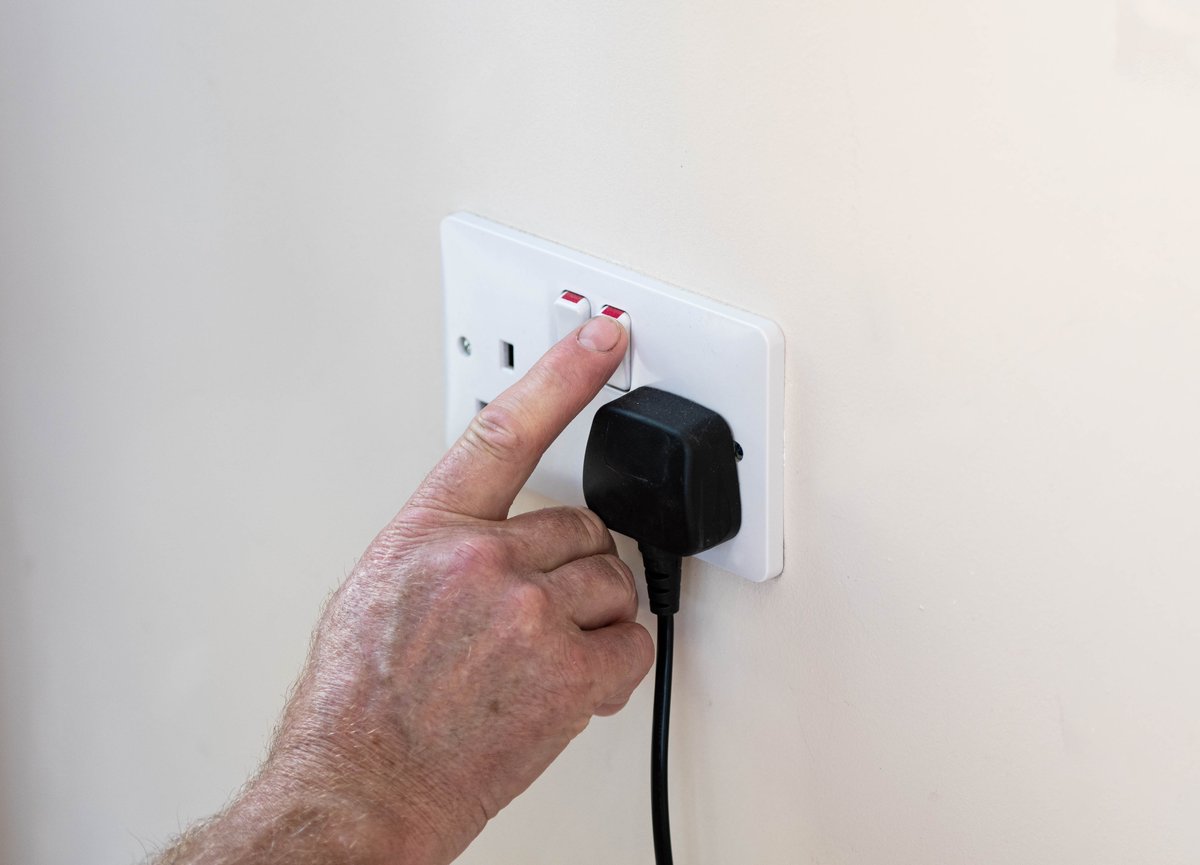
The question of whether it is essential to turn off the switch before disconnecting a charger is one that often arises among device users. The act of disconnecting a charger while it is still plugged in can potentially pose risks to both the charger and the electronic device being charged. While many people might not consider it a significant practice, understanding the underlying principles may help in ensuring the longevity and safety of the devices.

Potential Risks of Not Switching Off

One notable risk of removing a charger without switching off is the potential for electrical sparks or short circuits. This can occur if there is a sudden fluctuation in power when the charger is disconnected. Such events, although rare, can lead to damage not just to the charger but also to the device itself. The internal components may suffer from erratic power surges. Therefore, the practice of turning off the switch is often recommended by electrical experts to minimise these risks.

Additionally, leaving the switch on while charging may lead to increased energy consumption. Some chargers draw power even when the device is not connected, contributing to unnecessary electricity wastage. This might not seem significant on an individual level, but cumulatively, it can represent a larger environmental concern. By turning off the switch after charging, users can contribute to energy conservation.

Moreover, the temperature of chargers can increase when they remain plugged in unnecessarily. Excess heat can degrade the charger over time, impacting its efficiency and safety. Users might find that their chargers fail prematurely due to prolonged exposure to heat. Therefore, routinely switching off the charger can enhance charge and device lifespan, offering further utility.

Best Practices for Charger Usage

Experts suggest that users should adopt specific best practices when it comes to charger usage to ensure safety and efficiency. First and foremost, always opt for chargers and cables that are certified and recommended for the specific device. This not only ensures compatibility but also minimises the risk of overheating and electrical malfunctions.

Charging devices overnight is a common practice; however, users should consider whether this is necessary. Unplugging chargers during night time or when they are not in use can be a prudent habit. Not only does this safeguard against potential electrical issues, but it also supports energy-saving efforts within households.

In conclusion, the decision to switch off the power before removing a charger can have implications for both device longevity and energy efficiency. Users are encouraged to assess their charging habits critically and implement measures that promote safety and sustainability. Ultimately, these practices contribute to better device performance and a reduced carbon footprint.

Long or Short, get news the way you like. No ads. No redirections. Download Newspin and Stay Alert, The CSR Journal Mobile app, for fast, crisp, clean updates!

App Store –  https://apps.apple.com/in/app/newspin/id6746449540 

Google Play Store – https://play.google.com/store/apps/details?id=com.inventifweb.newspin&pcampaignid=web_share

Latest News

Popular Videos
