


India to Monitor Boeing Fuel-Control Switch Testing Related to Air India
The CSR Journal Magazine

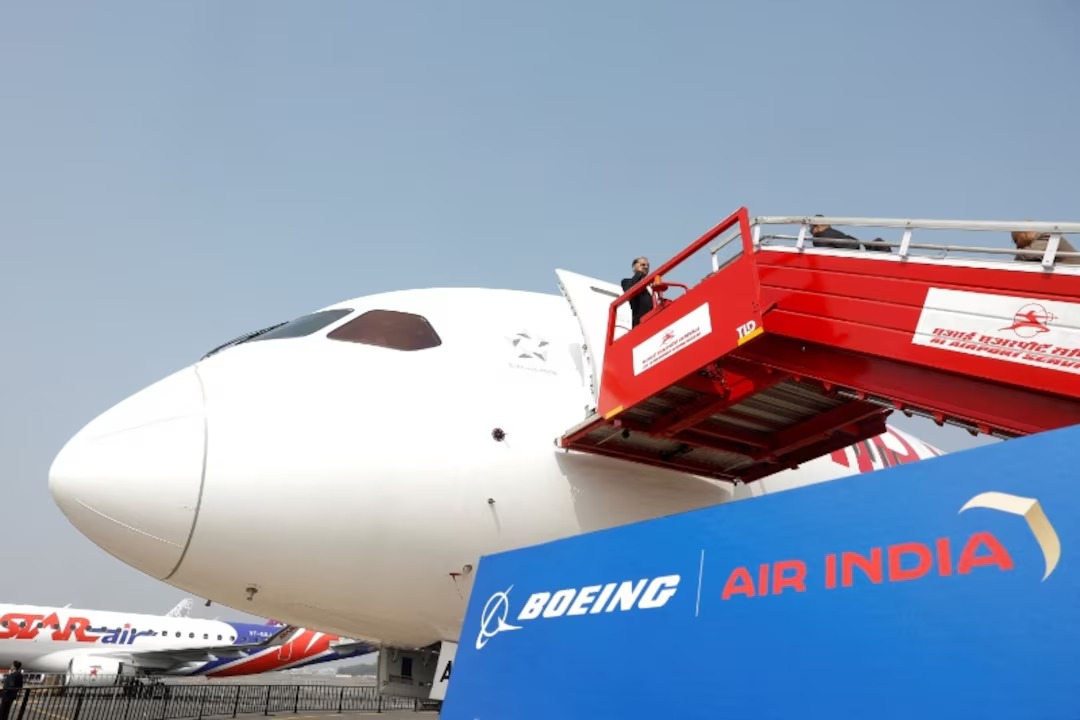
The Indian aviation authority is set to dispatch officials to Seattle to oversee the examination of a fuel-control switch panel from a Boeing 787, which was removed from an Air India aircraft. This decision follows reports from pilots regarding abnormal behaviour during a London-Bengaluru flight earlier this year. This incident has reinvigorated scrutiny regarding the Dreamliner’s fuel-control system as Indian investigators compile their final report on the tragic crash of an Air India Boeing 787 in Gujarat, which took place in June and resulted in the loss of 260 lives.

In an official response to queries, Boeing stated that they are in ongoing communication with Air India and will continue to provide necessary support. This assurance comes amidst heightened concern regarding the operational integrity of the Dreamliner series, particularly after recent events.

Documents reviewed by Reuters reveal that the Directorate General of Civil Aviation (DGCA) instructed Air India to ensure that testing at Boeing’s facility occur in the presence of a DGCA representative, given the sensitive nature of the situation.

Incident that Prompted Concerns

The fuel-control switch module was extracted from the aircraft after pilots noted irregular performance during engine start-up procedures in February. The DGCA previously reported that the switches did not maintain their position in “run” during initial attempts when light vertical pressure was applied. However, the switches reportedly stabilised on a third attempt prior to the aircraft’s departure.

The fuel-control switches are crucial for regulating jet fuel flow to the engines and are designed to remain locked unless manually activated by the pilots. Subsequent checks revealed that the switches functioned properly, yet the module was still forwarded for in-depth analysis at Boeing’s Seattle facility.

An internal DGCA communication indicated that Manish Kumar, the deputy director of airworthiness, directed Air India on 9 March to ensure a DGCA official was present for the testing procedure, reflecting the heightened level of scrutiny on this issue.

Significance Following Air India Crash

The relevance of this examination has intensified due to the ongoing inquiry into the Air India Dreamliner crash in Gujarat, acknowledged as one of the most significant aviation disasters in recent times. A preliminary investigation found that the aircraft’s fuel switches had been turned off nearly simultaneously, halting fuel supply to the engines.

The US Federal Aviation Administration has indicated that the crash does not appear to have been caused by mechanical failure. Reportedly, cockpit recordings suggested that the captain may have interrupted fuel flow while the first officer was piloting the aircraft, leading to significant objections from a pilots’ union and family members. Both groups have insisted on an independent, broader investigation into potential causes.

According to international aviation guidelines, India’s Aircraft Accident Investigation Bureau is anticipated to deliver its final report next month or issue an interim update if further time is needed for completion.

Thorough Examination Requested by Indian Authorities

The tests planned in Seattle will reportedly focus on evaluating the locking mechanism of the fuel switch and whether external forces could inadvertently alter the switch position while remaining locked. An Indian government official, as cited in reports, expressed the desire for a comprehensive examination of the matter.

Air India, which is co-owned by the Tata Group and Singapore Airlines, reiterated that the switch module had been affirmed as “fully functional” by both Boeing and the DGCA. However, the airline has opted for additional testing as a precautionary measure. The testing is designed to be conducted in a controlled environment to distinctly confirm the switch’s performance and integrity.

Furthermore, it has been noted that Air India will cover travel expenses for two DGCA officials attending the examination in June. Simultaneously, the UK Civil Aviation Authority is reviewing the earlier incident, assessing whether Air India adhered to proper reporting protocols following the pilots’ concerns, which were reportedly raised only after landing.

Long or Short, get news the way you like. No ads. No redirections. Download Newspin and Stay Alert, The CSR Journal Mobile app, for fast, crisp, clean updates!

App Store –  https://apps.apple.com/in/app/newspin/id6746449540 

Google Play Store – https://play.google.com/store/apps/details?id=com.inventifweb.newspin&pcampaignid=web_share

Latest News

Popular Videos
