


India Sends 13 Tonnes of BCG Vaccines to Afghanistan to Boost Child Immunisation
The CSR Journal Magazine

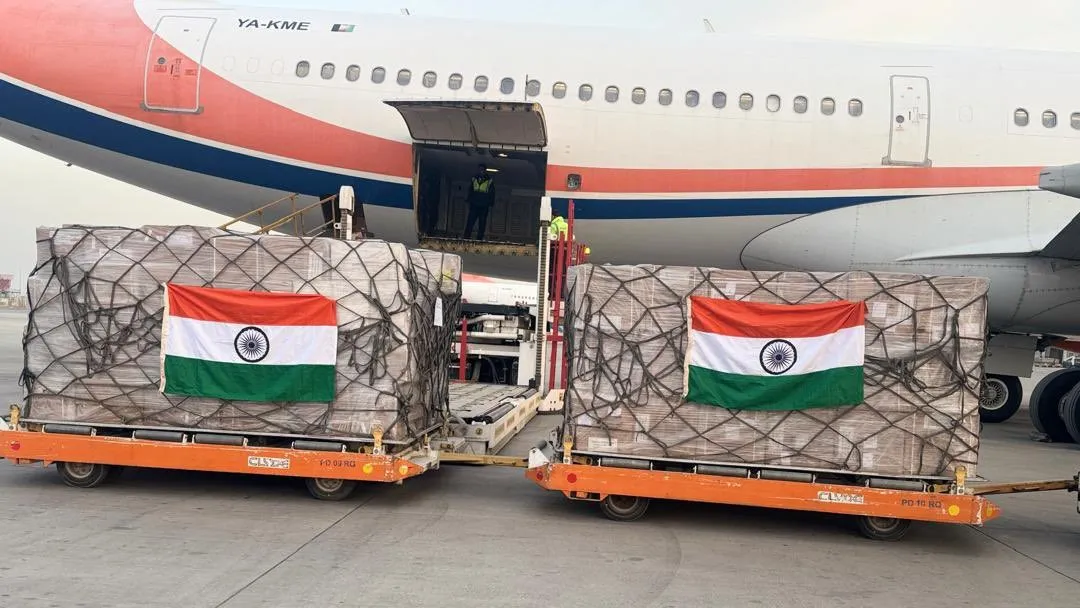
India has announced the delivery of 13 tonnes of Bacille Calmette-Guerin (BCG) vaccines to Afghanistan, aiming to bolster the country’s child immunisation efforts against tuberculosis. This shipment, which also includes necessary dry materials, was dispatched to the Ministry of Public Health in Afghanistan. The information was confirmed by the Ministry of External Affairs (MEA) in a statement on 14 April 2026.

In a communication on X, MEA spokesperson Randhir Jaiswal highlighted the significance of this delivery. He stated that India is committed to aiding Afghanistan’s initiatives for enhancing child health and immunisation against tuberculosis. The support forms part of India’s ongoing humanitarian efforts to assist the Afghan population.

This action reflects India’s broader approach to providing essential medical supplies and vaccines to Afghanistan, which includes ongoing support following the recent earthquake that struck the region on 3 April 2026. The Indian government has been consistent in extending humanitarian assistance in various forms to address the critical needs of Afghan citizens.

Recent Humanitarian Aid Following Natural Disasters

In addition to the vaccine delivery, India has been actively responding to recent disasters in Afghanistan, including a severe earthquake and resultant floods. On 5 April 2026, the MEA announced the provision of humanitarian assistance and disaster relief (HADR) materials, which included kitchen sets, hygiene kits, plastic sheets, and sleeping bags, among other supplies. This support follows the devastating impact of heavy rains and floods that reportedly destroyed 131 homes and partially damaged 650 others, as confirmed by the National Disaster Management Authority.

The initiative aims to alleviate the hardships faced by the affected families and communities, ensuring they receive the necessary aid during this challenging period. The Indian government emphasised its commitment to standing in solidarity with the Afghan people, highlighting its dedication to humanitarian assistance in response to crises.

Specifically, the floods have adversely impacted more than 3,000 jeribs of agricultural land, raising concerns about food security in the region. The Indian aid is intended to help mitigate these effects and support affected communities in rebuilding their lives.

Afghanistan’s Response to Sanctions and International Actions

In parallel to India’s humanitarian efforts, the Afghan government has voiced strong criticism of the United Nations’ sanctions regime, especially after recent updates to the sanctions list targeting senior leaders. Afghan spokesperson Zabihullah Mujahid described these measures as “unreasonable and ineffective,” arguing that they fail to address the underlying issues while adversely affecting ordinary citizens.

Mujahid contended that the continuation of such sanctions indicates a failure in policy and assessment by international bodies. He expressed that these measures not only restrict individuals but also extend their impact to government institutions and society at large.

His comments were made following announcements from the United Nations Security Council (UNSC), which confirmed revisions to identifying details for several senior officials of the Taliban, including Mohammad Hassan Akhund and Abdul Ghani Baradar among others. The Afghan government is seeking a reassessment of the implications that these sanctions have on the Afghan populace, particularly in light of ongoing humanitarian challenges.

Long or Short, get news the way you like. No ads. No redirections. Download Newspin and Stay Alert, The CSR Journal Mobile app, for fast, crisp, clean updates!

App Store –  https://apps.apple.com/in/app/newspin/id6746449540 

Google Play Store – https://play.google.com/store/apps/details?id=com.inventifweb.newspin&pcampaignid=web_share

Latest News

Popular Videos
