


BJD Opposes Proposed Nuclear Plant In Odisha, Warns Of Mass Agitation
The CSR Journal Magazine

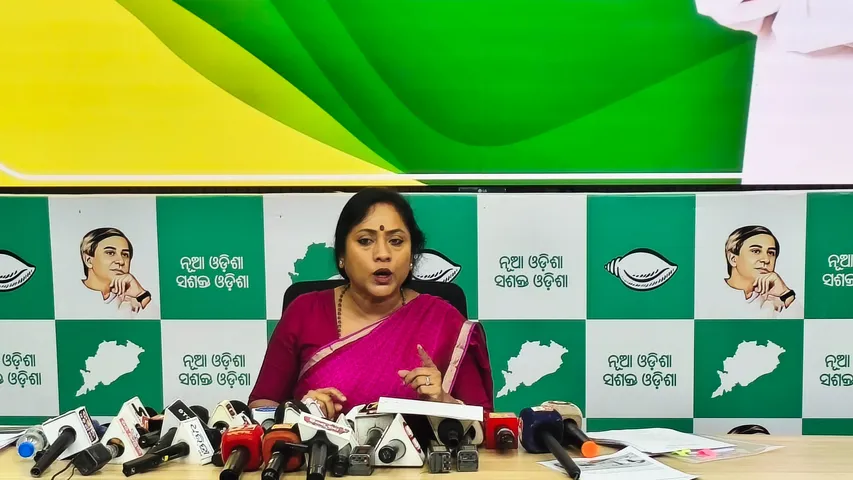
The Biju Janata Dal (BJD) has voiced its strong opposition to the proposed nuclear power plant in Odisha, raising significant concerns regarding its potential environmental consequences. Party leaders allege that such a facility could pose serious risks to the local population and ecological balance. They emphasise the need for careful consideration and comprehensive assessments before any construction begins.

Local communities have also expressed apprehensions about the adverse effects that a nuclear plant might have on their livelihoods and health. Residents fear that any radioactive leaks could have long-lasting ramifications for agriculture, fishing, and overall public well-being. It has prompted the BJD to call for public consultations and broader discourse on the issue.

The opposition party is urging the state government to consider alternatives to nuclear energy that are deemed safer and have a lesser environmental footprint. Supporters of renewable energy sources are advocating for investments in solar and wind power, claiming they can provide sustainable energy solutions without the associated risks of nuclear energy.

Political Strategies And Mobilisation Efforts

In light of the potential for widespread public unrest, the BJD has initiated a campaign to mobilise local support against the nuclear project. There have been several meetings held in rural and urban areas to inform citizens about the proposed plant and its implications. The party has expressed its commitment to standing with the people of Odisha by opposing any developments that threaten their safety.

Party leadership has hinted at the possibility of organised protests should the government press forward with the project. They believe that a collective voice from the public will be essential in persuading decision-makers to reconsider the planning of the facility. Plans for rallies and awareness drives are reportedly being discussed in the upcoming state assembly sessions.

The BJD’s opposition is seen as a strategic move to strengthen its political base amid rising concerns over health and safety. The party aims to showcase its dedication to people’s well-being, positioning itself as a guardian of public interests against federal policies that may be perceived as detrimental.

Government Response And Next Steps

The state government has yet to respond officially to the BJD’s protests regarding the nuclear power plant. However, sources close to the administration have indicated that discussions about energy security and development are ongoing. Officials are reportedly reviewing the project’s viability in light of public feedback and environmental reports.

The Ministry of Atomic Energy has previously stated its commitment to transparent operations and stakeholder involvement in the decision-making process for new facilities. Nevertheless, local sentiments indicate a growing disconnect between government intentions and community concerns. The need for genuine engagement with affected populations appears to be critical.

As the debate continues, various interest groups are expected to amplify their voices, and further public opinion surveys may be conducted to gauge sentiments concerning the nuclear plant. The future of the proposed facility hangs in the balance as discussions unfold and both the BJD and the state government prepare for the next steps in this contentious issue.

Long or Short, get news the way you like. No ads. No redirections. Download Newspin and Stay Alert, The CSR Journal Mobile app, for fast, crisp, clean updates!

App Store –  https://apps.apple.com/in/app/newspin/id6746449540 

Google Play Store – https://play.google.com/store/apps/details?id=com.inventifweb.newspin&pcampaignid=web_share

Latest News

Popular Videos
