


India Records 30% Monsoon Rainfall Deficit, Raising Water and Farm Concerns
The CSR Journal Magazine

India is experiencing a marked rainfall deficiency this monsoon season, with a recorded average of 131.4 mm between June 4 and July 4, against a normal of 188.5 mm. This equates to a shortfall of 30 per cent, according to the India Meteorological Department (IMD). Such a deficit poses serious implications, particularly for the nation’s water supply, agriculture, and farmers’ livelihoods.

The water provided during the monsoon period is crucial for replenishing India’s reservoirs and groundwater and plays a critical role in determining the timely sowing of crops by millions of farmers. The current deficit could severely disrupt these essential processes.

The IMD evaluates rainfall data against the Long Period Average (LPA), a benchmark established by decades of observed rainfall. A downturn of between 20 and 59 per cent beneath this average is categorised as deficient. India’s overall rainfall statistics currently place it within this deficient category.

Regional Disparities in Rainfall

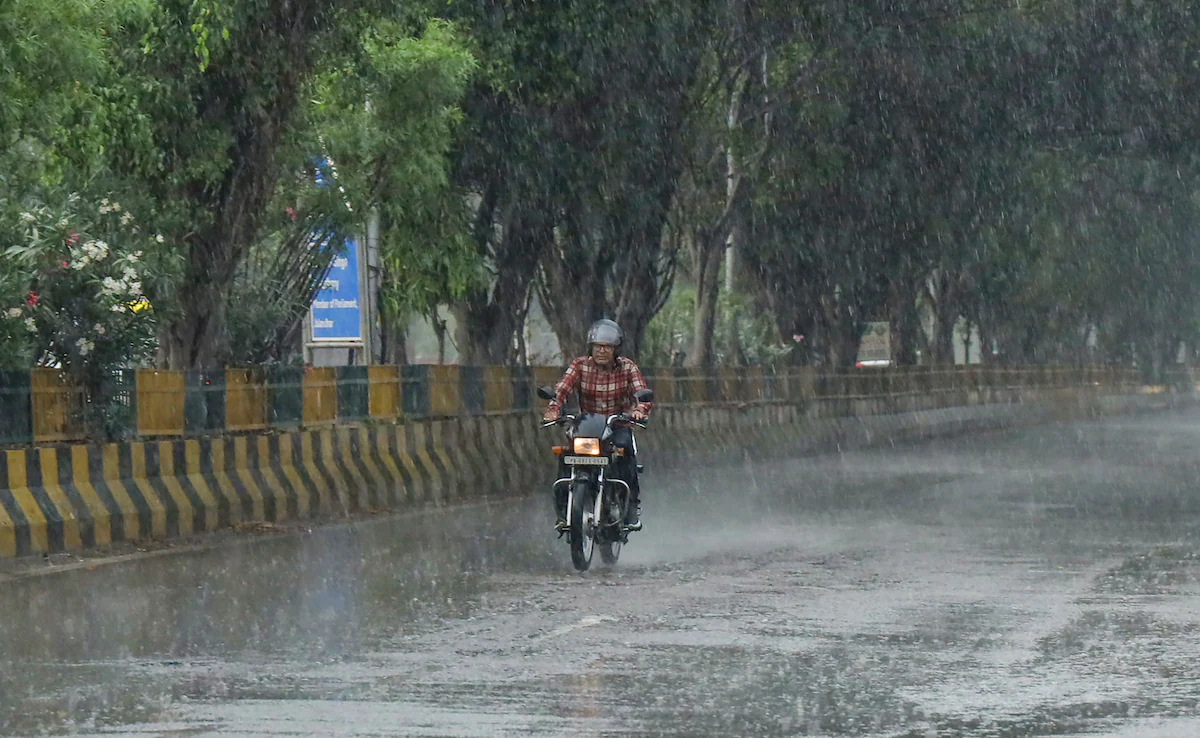
While the national average indicates a clear shortfall, regional differences in rainfall are pronounced across the country. Some districts are experiencing heavy rainfall, while others are suffering from drought conditions. June 2026 recorded the fifth driest June since records began in 1901, resulting in a mere 99.5 mm of rainfall, approximately 40 per cent below normal levels.

East and northeastern India have reported their lowest June rainfall on record, while central India has experienced its seventh driest June historically. This uneven distribution highlights the varied impacts of the monsoon on different regions, with some areas faces periods of excessive water and others grappling with severe shortages.

The current conditions illustrate just how disparate rainfall trends can be, complicating efforts to assess agricultural needs and water management strategies across the nation.

Factors Contributing to Weak Monsoon in 2026

The IMD has identified several factors contributing to the subdued monsoon. One significant element is the absence of low-pressure systems in June, which typically form over the Bay of Bengal and carry moisture inland. Without these systems, the distribution of rainfall across central and eastern India suffers.

Additionally, an unfavourable phase of the Madden-Julian Oscillation has exacerbated the situation. This meteorological phenomenon involves cycles of cloud and rainfall that influence global weather. Its current displacement away from the Indian Ocean has diminished rain-generating energy.

El Niño conditions, characterised by warmer water in the central and eastern Pacific Ocean, further weaken the moisture-laden winds directed towards India according to the IMD. The agency has noted that current El Niño developments, in conjunction with heightened typhoon activity in the western Pacific, have contributed to suppressed rainfall over the Indian Ocean.

Potential Outlook for July and Impacts on Agriculture

July is traditionally considered India’s wettest month, with an expected average rainfall of 280.4 mm. However, preliminary forecasts from the IMD indicate that rainfall for July 2026 is likely to remain below 94 per cent of the LPA, further straining water resources.

Nevertheless, there remains a possibility of recovery. The monsoon is known for its irregular patterns, and concentrated rainfall events can significantly mitigate deficits within a short timeframe. The IMD has expressed optimism that a favourable Indian Ocean Dipole, which may develop towards the end of August and in September, could offer some relief amidst the El Niño conditions.

This situation holds considerable significance for farmers as July represents a crucial sowing period for kharif crops such as paddy, pulses, oilseeds, and cotton. Insufficient rainfall can lead to soil dehydration, placing additional stress on crops and impacting agricultural output. History indicates that even in deficit years, localized heavy rains can result in flash floods, reflecting the unpredictable nature of the monsoon season.

Long or Short, get news the way you like. No ads. No redirections. Download Newspin and Stay Alert, The CSR Journal Mobile app, for fast, crisp, clean updates!

App Store –  https://apps.apple.com/in/app/newspin/id6746449540 

Google Play Store – https://play.google.com/store/apps/details?id=com.inventifweb.newspin&pcampaignid=web_share

Latest News

Popular Videos
