


Health Experts Warn Against Mixing Alcohol With Energy Drinks
The CSR Journal Magazine

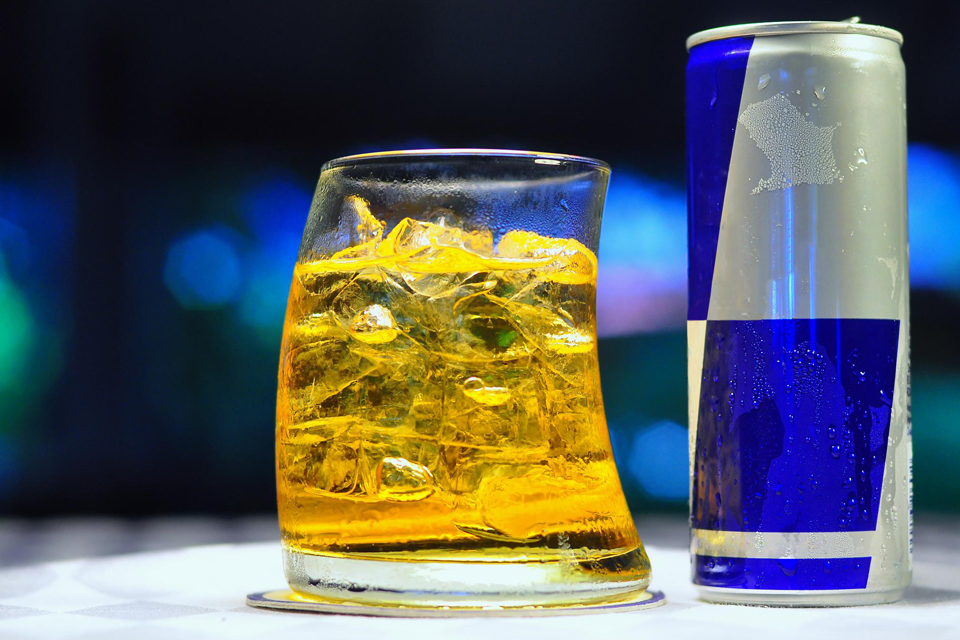
The combination of alcohol and energy drinks has become increasingly common during social events globally. Medical professionals have expressed serious concerns regarding the safety of this mix, suggesting that many individuals underestimate the potential dangers. Experts indicate that alcohol and energy drinks produce opposing effects on the body, which can lead to misunderstandings about how much one has consumed.

Energy drinks are designed to stimulate the nervous system, providing a sense of alertness and vigour. In contrast, alcohol serves as a depressant, slowing down brain function and impairing judgement. This juxtaposition can create a misleading perception of control, which may result in individuals consuming larger amounts of alcohol than usual. Such behaviour significantly raises the likelihood of cardiovascular complications.

Doctors emphasize the dangers posed by both substances individually as well as in combination, noting that their effects can become markedly severe and even life-threatening.

Impact of Alcohol on Cardiac Health

Excessive alcohol consumption has long been associated with various cardiovascular issues. Heavy drinking can lead to elevated blood pressure, disrupted electrolyte levels, dehydration, and irregular heartbeats, collectively known as “Holiday Heart Syndrome.” This syndrome can manifest in symptoms such as palpitations, dizziness, chest discomfort, and shortness of breath, even in individuals without prior heart conditions.

Furthermore, alcohol increases activity in the sympathetic nervous system, thereby placing additional pressure on the cardiovascular system. Habitual heavy drinking can escalate the risk of severe conditions, including heart failure and stroke.

The potential long-term effects of alcohol on heart health cannot be overlooked. Medical professionals recommend moderation and heightened awareness about the impacts of alcohol on cardiac wellbeing.

Concerns Surrounding Energy Drinks

Energy drinks are often perceived as a quick solution for fatigue and a lack of focus. However, they frequently contain large amounts of caffeine, taurine, sugar, and artificial sweeteners, which can be detrimental to cardiovascular health. Caffeine, a primary ingredient, elevates heart rates and blood pressure, while taurine can exacerbate these effects.

Cardiologists assert that overconsumption of energy drinks can result in sleep deprivation, undue heart strain, and irregular heart rhythms. Even individuals in good health may experience dangerous arrhythmias after extensive consumption of these drinks.

Conditions linked to excessive intake of energy drinks include atrial fibrillation, supraventricular tachycardia, ventricular tachycardia, elevated blood pressure, and increased heart rate, all of which may necessitate immediate medical intervention.

Consequences of Mixing Alcohol and Energy Drinks

The combination of alcohol and energy drinks poses significant risks primarily because energy drinks can mask the sedative effects of alcohol. This often results in individuals underestimating their level of intoxication, making them more prone to alcohol-related incidents such as poisoning and dehydration.

Additionally, both substances exert stress on the heart through different mechanisms. The stimulating properties of energy drinks can heighten heart rate, while alcohol can disrupt electrical signals within the heart, raising the potential for severe arrhythmias.

Experts caution that mixing these drinks can lead to critical health conditions, including ventricular tachycardia and atrial fibrillation, both of which can have life-threatening consequences. Individuals with pre-existing health concerns face increased risks, but younger, seemingly healthy adults are also at risk.

Advice from Health Professionals

Health experts strongly recommend against the simultaneous consumption of alcohol and energy drinks. Although this combination may seem appealing in social contexts, the ramifications for heart health can be severe and unpredictable. It is advisable to limit alcohol intake, be cautious with caffeine consumption, and maintain hydration.

Individuals experiencing symptoms such as palpitations, chest pain, dizziness, or shortness of breath after drinking should seek immediate medical assistance. As awareness of the health risks associated with these beverages increases, medical professionals hope that more individuals will recognise the potential dangers linked to what may appear as an innocuous party choice.

Long or Short, get news the way you like. No ads. No redirections. Download Newspin and Stay Alert, The CSR Journal Mobile app, for fast, crisp, clean updates!

App Store –  https://apps.apple.com/in/app/newspin/id6746449540 

Google Play Store – https://play.google.com/store/apps/details?id=com.inventifweb.newspin&pcampaignid=web_share

Latest News

Popular Videos
