


Haryana CM Advocates Scientific Use of Treated Water
The CSR Journal Magazine

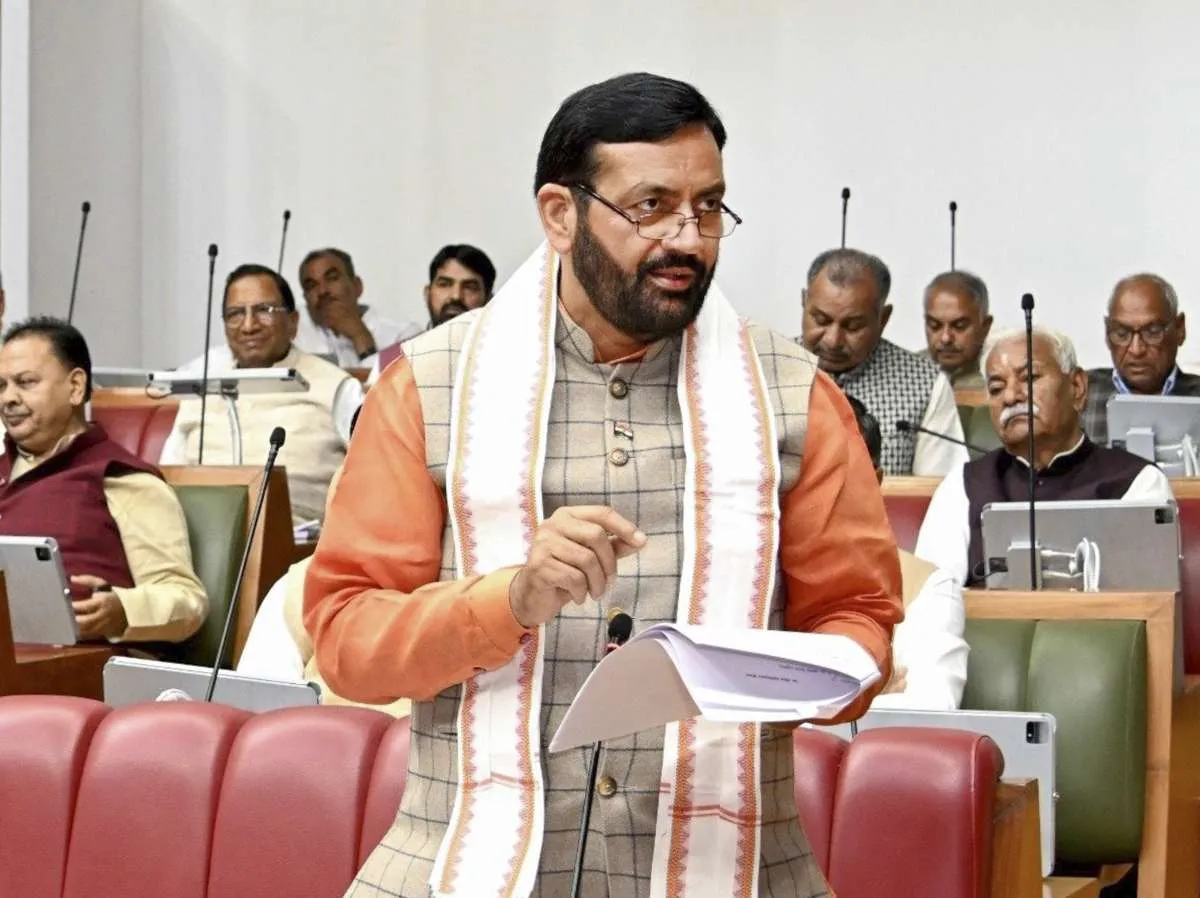
The Chief Minister of Haryana, Nayab Singh Saini, has emphasised that effective water conservation is critical for the state. He highlighted that the scientific and strategic utilisation of treated water could alleviate the demand on both groundwater and drinking water sources. This approach aims to secure a sustainable water supply for various sectors including agriculture, industry, and energy.

During a review meeting on the Reuse of Treated Wastewater (TWW) Policy convened on July 21, Saini instructed officials to guarantee that all Sewage Treatment Plants (STPs) and Common Effluent Treatment Plants (CETPs) adhere to the prescribed standards in the production of treated water. The meeting also included Public Health Engineering Minister Ranbir Gangwa and discussed broader strategies for water management.

Saini stressed that treated water must be effectively managed and not wasted. He mandated the development of a robust distribution network aimed at supplying treated water to key sectors such as thermal power generation, agriculture, and green spaces. This systematic distribution is essential for maximising the potential uses of treated water.

Phased Approach to Wastewater Reuse Implementation

Officials from the Public Health Engineering Department indicated that the Irrigation and Water Resources Department has devised a phased strategy to enhance the reuse of treated wastewater. The initial phase involves a Rs. 500-crore project encompassing 35 STPs across 21 districts. This has already received approval from NABARD, with 27 STPs designated for micro-irrigation purposes.

Work has been completed on 19 out of the 27 STPs, while progress continues on the remaining eight. The initiative is expected to benefit approximately 40,000 acres of agricultural land, significantly contributing to the agricultural sector’s water needs.

During the second phase, an additional 57 STPs will be incorporated into the programme. This includes 13 STPs with a collective capacity of 157.50 million litres per day (MLD) and 44 STPs with a total capacity of 370.75 MLD. Haryana currently operates 207 STPs and CETPs, and plans to integrate the remaining facilities into the programme over time.

Future Goals Under Vision@2047 Roadmap

The release from the meeting indicates that the government is committed to completing all first-phase projects within their scheduled timelines. Additionally, the aim is to establish technically feasible STPs in the second phase while bringing all remaining plants under this comprehensive programme.

According to the Vision@2047 framework, the state aims for a 100 per cent reuse of treated wastewater by March 2031. This ambitious goal includes detailed mapping of all STPs and CETPs across Haryana, to create comprehensive profiles detailing each facility’s treatment capacity, treated water output, and potential utilisation.

Chief Minister Saini reiterated that effective inter-departmental coordination and meticulous planning are crucial for large-scale treated water utilisation. This would not only conserve groundwater but also lessen reliance on potable water sources, thereby ensuring long-term water security for the state.

Long or Short, get news the way you like. No ads. No redirections. Download Newspin and Stay Alert, The CSR Journal Mobile app, for fast, crisp, clean updates!

App Store –  https://apps.apple.com/in/app/newspin/id6746449540 

Google Play Store – https://play.google.com/store/apps/details?id=com.inventifweb.newspin&pcampaignid=web_share

Latest News

Popular Videos
