


Government Restricts Bulk Industrial Fuel Purchases at Petrol Pumps
The CSR Journal Magazine

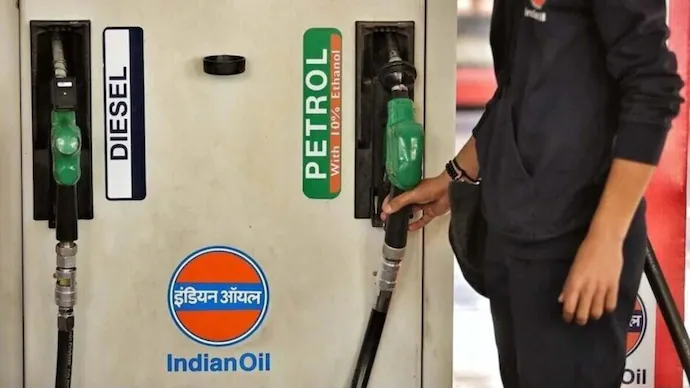
The government has announced temporary restrictions on the ability of industrial, commercial, and institutional users to purchase petrol and diesel from retail fuel stations. This directive requires these users to obtain their fuel needs through authorised bulk supply channels instead. The decision comes in light of a notable increase in fuel sales at petrol pumps, driven by bulk consumers taking advantage of lower prices at retail outlets.

This restriction was formalised by the Ministry of Petroleum and Natural Gas through the Motor Spirit and High Speed Diesel (Temporary Regulation of Supply through Retail Outlets) Order, 2026, issued on June 11, granting powers to oil marketing companies and fuel retailers to manage such purchases.

The regulations can remain in effect for a maximum of 90 days at a time, allowing the government to reassess the situation as needed. Authorities have expressed concerns over the implications of these purchasing behaviours on fuel availability.

Reasons Behind the Government’s Decision

The government’s move is reportedly a response to a significant discrepancy between retail and bulk fuel prices, particularly for diesel. In Delhi, for example, diesel is sold at approximately Rs 95.20 per litre at retail outlets, contrasting with a bulk price of around Rs 134.50 per litre. This substantial price gap has reportedly encouraged various industries and institutions to opt for retail purchasing rather than utilise the designated bulk supply channels.

Additionally, the government cited external factors such as geopolitical developments affecting petroleum supply chains and shipping logistics as contributing to the decision. These global challenges have reportedly created inconsistencies in the availability of petroleum products, further complicating the supply landscape.

There has been an “abnormal increase” in fuel sales through retail outlets, as observed in certain regions, primarily due to the shift of industrial and institutional consumers to these pumps for cost savings. The government aims to address the potential consequences of this trend.

Impact on Regular Consumers and Future of Restrictions

For the average consumer, the new regulations are not expected to produce an immediate effect. The government has designed these measures to ensure that petrol pumps maintain sufficient supplies for individual vehicle owners. This approach is intended to curb the diversion of fuel that is primarily meant for public usage.

Authorities have warned that excessive procurement from retail outlets could lead to local fuel shortages and disrupt crucial services. The new guidelines also stipulate that diesel sales at petrol stations are now limited to vehicle tanks or containers that have been approved by the Petroleum and Explosives Safety Organisation (PESO). Each customer is permitted to purchase a maximum of 200 litres of diesel per day, and this fuel is prohibited from resale.

The initial phase of these restrictions is designed to last for 90 days, with the option for the government to issue a new order to extend the measures if deemed necessary. Furthermore, state governments and Union Territory administrations have been instructed to enact measures against hoarding, black marketing, and other related malpractices involving fuel. Exemptions may be granted as required through special orders for certain consumers or circumstances, allowing for necessary flexibility in the new regulations.

Long or Short, get news the way you like. No ads. No redirections. Download Newspin and Stay Alert, The CSR Journal Mobile app, for fast, crisp, clean updates!

App Store –  https://apps.apple.com/in/app/newspin/id6746449540 

Google Play Store – https://play.google.com/store/apps/details?id=com.inventifweb.newspin&pcampaignid=web_share

Latest News

Popular Videos
