


Germany Acknowledges Failure to Secure UNSC Seat Due to Support for Israel
The CSR Journal Magazine

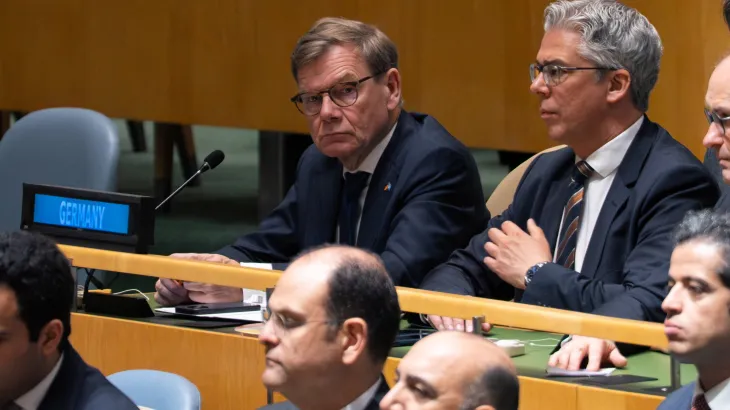
Germany has, for the first time, failed to achieve a non-permanent seat on the United Nations Security Council (UNSC). This setback marks a significant moment in the country’s diplomatic efforts, which have traditionally been focused on a strong presence in international governance.

The defeat has raised questions regarding the effectiveness and strategy of Germany’s foreign policy. The country has long sought a more prominent role in global affairs, and the lack of success in this bid is seen as a considerable blow to its ambitions.

As nations assess their international positioning, Germany’s failure could have implications for its influence within international organisations and could affect its diplomatic relationships going forward.

Official Reactions to the UNSC Outcome

Foreign Minister Johann Wadephul publicly addressed the reasons behind this failure. He stated that Germany’s alignment with Western nations against Russia was a contributing factor. Wadephul pointed specifically to the ongoing geopolitical tensions that have shaped the current landscape of international diplomacy.

Alongside blaming external factors such as Russia, Wadephul also acknowledged that Germany’s unwavering support for Israel seemingly detracted from its appeal to some nations. This stance, which aligns with Germany’s historical commitment to uphold Israel’s security, may have alienated potential allies in the voting process.

The Minister’s comments reflect a growing recognition within German leadership of the need to balance their diplomatic positions on contentious issues. The outcome serves as a reminder of the complexities involved in securing critical international roles.

Impact of the UNSC Seat Failure

The implications of Germany’s failure to secure a non-permanent seat on the UNSC are multifaceted. Analysts have noted that this development could lead to a reevaluation of Germany’s foreign policy strategies moving forward. The need for a more nuanced approach could become a topic of discussion among policymakers and diplomats.

Furthermore, this situation calls into question the effectiveness of Germany’s diplomatic outreach to other nations. It suggests that supporting contentious positions, such as unconditional backing for Israel, might not always align with broader geopolitical interests.

Germany’s aspirations for a more substantial role in international governance may prompt a strategic review of how it engages with various global issues. The leadership may need to consider how best to align its core values with the expectations and concerns of the broader international community.

As the repercussions of this election continue to unfold, it is likely that Germany will face scrutiny from both domestic and international spheres regarding its future diplomatic engagements and strategies for influence on the global stage.

Long or Short, get news the way you like. No ads. No redirections. Download Newspin and Stay Alert, The CSR Journal Mobile app, for fast, crisp, clean updates!

App Store –  https://apps.apple.com/in/app/newspin/id6746449540 

Google Play Store – https://play.google.com/store/apps/details?id=com.inventifweb.newspin&pcampaignid=web_share

Latest News

Popular Videos
