


El Nino Heats Up Pacific Ocean: India Warned of Consequences
The CSR Journal Magazine

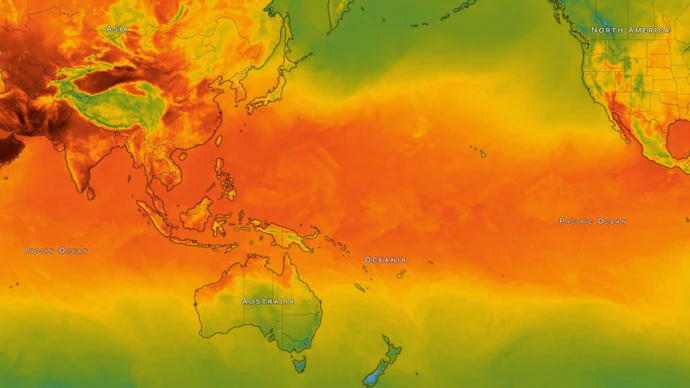
The tropical Pacific Ocean is experiencing a considerable rise in temperatures compared to the same period last year, highlighting escalating heat in a crucial global climate region as El Nino intensifies. Recent data from the US National Oceanic and Atmospheric Administration (NOAA) indicates that the Nino 3.4 region, a critical area for monitoring global climate patterns, has seen increased temperatures throughout June and early July of 2026.

From June 1 to July 4, 2026, the sea surface temperature in the Nino 3.4 area was consistently higher than in 2025, with the temperature exceeding previous records by a margin of 1.64°C by July 4. This development signifies a notable increase of nearly 55 per cent in ocean temperature, suggesting a rapid warming trend across the waters.

Data revealed that temperatures in the Nino 3.4 region rose from 28.9°C on June 1 to 29.23°C by July 4. In contrast, during the same period in 2025, the temperatures decreased from 27.84°C to 27.59°C. The maximum temperature recorded in 2026 was 29.41°C on June 19, while the minimum was 28.90°C at the beginning of the month.

Impact of Rising Ocean Temperatures

High sea surface temperatures are significant as they lead to the release of increased heat and moisture into the atmosphere, which can drastically alter rainfall patterns and atmospheric dynamics, potentially affecting regions far beyond the Pacific. El Nino events are characterised by prolonged periods of warmer temperatures in the central and eastern tropical Pacific, which can disrupt normal weather patterns and weaken winds that support monsoon activity in India.

Persistent warming in the Nino 3.4 region is an important indicator used by NOAA and the World Meteorological Organisation (WMO) to denote an El Nino event. The oceans are reportedly absorbing over 90 per cent of the excess heat caused by greenhouse gas emissions, leading to more frequent marine heatwaves and warm sea surface temperatures, which can have far-reaching consequences on global climatic patterns.

For India, this increase in ocean temperature presents significant risks. The southwest monsoon, which is responsible for approximately 70 per cent of the country’s annual rainfall, is directly influenced by such climatic phenomena. A stronger El Nino correlates with a heightened risk of insufficient monsoon rainfall, exacerbating conditions such as heatwaves and irregular rainfall distribution.

Preparedness Measures Undertaken by Indian Authorities

The Indian Meteorological Department (IMD) has anticipated a below-normal rainfall for July, citing El Nino’s strengthening impact over the equatorial Pacific. This forecast follows one of the driest Junes in over a century, leading to various regions experiencing delayed monsoon advancements and subsequent rain deficits.

To address potential challenges, Prime Minister Narendra Modi has directed relevant ministries to devise contingency plans to mitigate impacts from expected rainfall deficits. The IMD’s projections indicate that while widespread rainfall may be anticipated in early July, overall conditions are still expected to remain below normal across much of the country.

The implications of these climatic changes are critical, as a robust monsoon is essential for agriculture, reservoir levels, and potable water supplies in India. Meteorologists and scientists will continue to closely monitor the Nino 3.4 region over the coming months, as sustained warming could influence India’s weather patterns and increase the likelihood of extreme weather conditions.

Long or Short, get news the way you like. No ads. No redirections. Download Newspin and Stay Alert, The CSR Journal Mobile app, for fast, crisp, clean updates!

App Store –  https://apps.apple.com/in/app/newspin/id6746449540 

Google Play Store – https://play.google.com/store/apps/details?id=com.inventifweb.newspin&pcampaignid=web_share

Latest News

Popular Videos
