


Delhi-NCR Experiences Intense Rainfall Due to Weather Systems
The CSR Journal Magazine

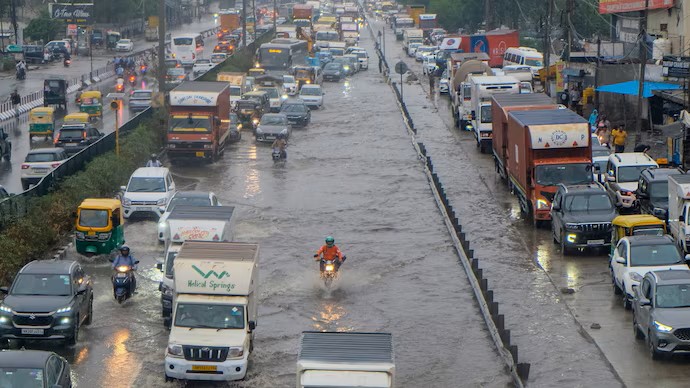
Delhi-NCR encountered heavy rainfall on the morning of Thursday, July 9, disrupting daily life and causing significant waterlogging and infrastructure damage. This rainfall marked the first significant downpour of the monsoon season, which started late for the region on July 2. Areas in northeast Delhi, as well as Ghaziabad and Noida, experienced high precipitation levels following rainfall that began on the morning of July 8.

In particular, Mayur Vihar recorded over 10 cm of rainfall within a 24-hour period, demonstrating the intensity of the weather system that affected the region. The downpour disrupted commuter movement, leading to challenging conditions on the roads across the national capital and its adjoining areas.

Role of Western Disturbance in Intensifying Rain

A western disturbance significantly contributed to the unusual intensity of the rains in the region. Originating over the Mediterranean Sea, this weather system travels east, bringing moisture and cooler air into northern India. Although western disturbances typically occur in winter, summer occurrences can considerably enhance monsoon activity.

The recent heavy rains resulted from the interaction between the western disturbance located over northern Pakistan and an intense low-pressure area situated over central India. The convergence of these weather systems created favourable conditions for rain, pulling in additional moisture and causing extreme instability in the atmosphere.

This resulted in the formation of thick cloud cover, vigorous updrafts, and intense, prolonged rainfall, which surpassed what would typically occur due to monsoon activity alone. Rare summer western disturbances have previously assisted in ushering in delayed monsoon rains, further highlighting their impact.

Contributing Factors to the Rainfall

The southwest monsoon remains the primary driving force behind the recent heavy rainfall, supported by a well-marked low-pressure area over the northwest Bay of Bengal. This system has been instrumental in drawing substantial amounts of moisture inland, resulting in widespread rainfall across northern and central India.

The positioning of the monsoon trough also contributed to the intensity of the downpours, compounded by urban challenges such as inadequate drainage systems that exacerbated flooding conditions. Meteorologists suggest that these combined atmospheric dynamics explain the extreme bursts of rainfall that the region experienced.

The Indian Meteorological Department (IMD) has issued alerts for further showers in the coming days, although forecasts indicate a potential easing in the intensity of the downpours. In light of these conditions, residents are advised to remain indoors during heavy rainfall, refrain from travelling on waterlogged roads, and stay updated on weather developments to ensure safety.

Long or Short, get news the way you like. No ads. No redirections. Download Newspin and Stay Alert, The CSR Journal Mobile app, for fast, crisp, clean updates!

App Store –  https://apps.apple.com/in/app/newspin/id6746449540 

Google Play Store – https://play.google.com/store/apps/details?id=com.inventifweb.newspin&pcampaignid=web_share

Latest News

Popular Videos
