


Chandrayaan-5 Mission Advances With Isro and Jaxa Collaboration
The CSR Journal Magazine

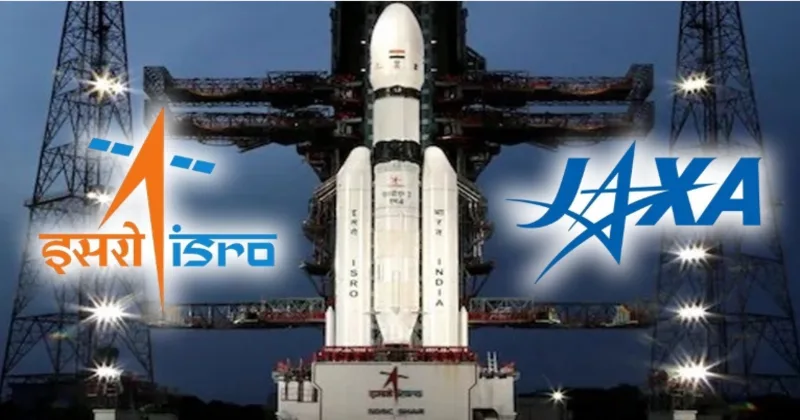
The Chandrayaan-5 mission, an ambitious initiative by India, has made significant progress as scientists from the Indian Space Research Organisation (Isro) and the Japan Aerospace Exploration Agency (Jaxa) convened in Bengaluru. This gathering focused on advancing the technical aspects of their joint lunar exploration mission. Currently, teams are actively engaging in technical coordination at Isro’s U R Rao Satellite Centre (URSC), ensuring that critical components are prepared for the upcoming launch.

During the meeting, engineers and scientists from both organisations concentrated on the Interface Control Specification (ICS). This specification pertains to the interaction between the Indian lunar lander and the Japanese rover. Establishing effective communication, power exchange, and operational compatibility is essential for the successful integration of the two spacecraft once they arrive on the lunar surface.

Additionally, the teams examined the range of scientific instruments to be carried by the Japanese rover. These payloads are set to perform investigations of the lunar terrain and search for water ice deposits specifically in the Moon’s south polar region. This area is deemed highly significant for future human exploration because of its potential resources.

Instruments and Mission Objectives

The scientific instruments on the Japanese rover are pivotal to the mission’s objectives. They are projected to conduct detailed analyses of the lunar surface, focusing on identifying and assessing the quantity and accessibility of water ice. The presence of frozen water is vital for future lunar bases as it could sustain long-duration human missions.

Chandrayaan-5 aims to build on the achievements of Chandrayaan-3, which marked India’s historic soft landing near the Moon’s south pole in August 2023. While the previous mission primarily validated landing technology and executed short scientific experiments, Chandrayaan-5 is expected to carry a rover with enhanced capabilities, designed to traverse longer distances on the lunar surface.

Scientists anticipate that exploring these permanently shadowed regions could provide insights into the Moon’s geological history. Understanding these areas will contribute to a more comprehensive knowledge of lunar resources that may be essential for future exploration initiatives.

Strengthening International Collaboration in Space Exploration

This meeting underscores the deepening collaboration between Isro and Jaxa, with both agencies working collaboratively to integrate hardware and optimise mission operations. The progress made thus far is a robust indicator of the joint commitment to one of the most ambitious robotic lunar exploration missions envisioned by India and Japan.

As technical coordination continues at URSC, the partnership between Isro and Jaxa is progressing steadily. The collaborative efforts not only enhance the mission’s success prospects but also pave the way for increased international cooperation in future space projects, expanding the horizons of lunar exploration.

The teams from both organisations remain dedicated to ensuring that every aspect of the mission is meticulously planned and executed. This collaboration is a significant step forward in harnessing combined expertise for further advancements in space exploration.

Long or Short, get news the way you like. No ads. No redirections. Download Newspin and Stay Alert, The CSR Journal Mobile app, for fast, crisp, clean updates!

App Store –  https://apps.apple.com/in/app/newspin/id6746449540 

Google Play Store – https://play.google.com/store/apps/details?id=com.inventifweb.newspin&pcampaignid=web_share

Latest News

Popular Videos
