


Delhi High Court Questions Police Videography of Sonam Wangchuk’s Medical Tests, Seeks Health Reports

The CSR Journal Magazine

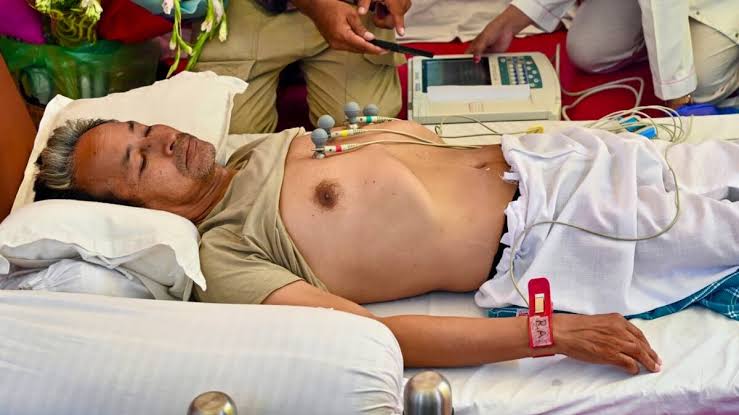
The Delhi High Court has raised concerns regarding the videography of activist Sonam Wangchuk’s medical examinations, ordering both the medical team from Safdarjung Hospital and the representatives of Wangchuk to submit their medical reports by 12:30 PM on July 21. This direction was part of the court’s scrutiny over the ongoing youth and climate protests at Jantar Mantar, where multiple petitions are currently being considered.

During the hearings, the High Court bench highlighted issues surrounding the legality of recording the medical checkups performed on Wangchuk while he undertakes a hunger strike. The court’s inquiries were rooted in the context of a Public Interest Litigation (PIL) filed by Aishe Ghosh, a former students’ union leader, against what she described as “illegal surveillance” by the Delhi Police during the protests.

Advocate Subhash Chandran, representing Ghosh, informed the court that a directive had been issued to the Solicitor General to review significant Supreme Court decisions related to privacy rights before further proceedings take place. The legal representatives of both parties are expected to bring the relevant medical reports to the court on the specified date.

Concerns Over Surveillance Methods

The legal challenges posed by the ongoing situation have brought Delhi Police’s monitoring methods under intense examination. During the court proceedings, details emerged that suggested friction between Wangchuk and the hospital administration, particularly regarding his cooperation during medical examinations. One doctor present stated that Wangchuk was not compliant with the requirement to videograph his medical checkups, prompting the court to question the rationale behind such surveillance.

Ghosh’s legal team has alleged that the surveillance practices employed by the Delhi Police may infringe upon individual privacy rights. As part of Ghosh’s case, the court has taken a keen interest in the implications of these medical recordings, indicating a broader concern regarding the treatment of activists during protests.

The dual legal situations involving Ghosh and Wangchuk will be addressed together in the court, indicating a growing judicial awareness of the need to safeguard civil liberties amid protests. The upcoming submission of medical reports may provide further insights into the ongoing interactions between medical staff and the activist.

Demands from Protest Leaders

In related developments, Saurav Das, the chief spokesperson of the Cockroach Janata Party (CJP), has outlined specific demands in a meeting with Union Health Minister JP Nadda. These include the immediate release of Wangchuk, the resignation of Education Minister Dharmendra Pradhan, and compensation of Rs 1 crore for the families of NEET aspirants who have reportedly lost their lives.

Das reported that the protests would continue until their demands were met, illustrating the ongoing tensions amid the political discourse surrounding education and student welfare. The CJP has been vocal in its criticism of the Delhi government, arguing that urgent measures are necessary to address the concerns raised by grieving families and protestors.

Minister Nadda acknowledged the meeting with the protesters, noting that discussions had been productive. He expressed hope that normalcy could be restored, calling for the sit-in to conclude as talks continued. The situation remains fluid, with activism focused on critical administrative responses and broader civil rights issues in the current context of social protests.

Long or Short, get news the way you like. No ads. No redirections. Download Newspin and Stay Alert, The CSR Journal Mobile app, for fast, crisp, clean updates!

App Store –  https://apps.apple.com/in/app/newspin/id6746449540 

Google Play Store – https://play.google.com/store/apps/details?id=com.inventifweb.newspin&pcampaignid=web_share

Latest News

Popular Videos