


Delhi High Court Proposes Transfer of Sonam Wangchuk to Medanta Hospital
The CSR Journal Magazine

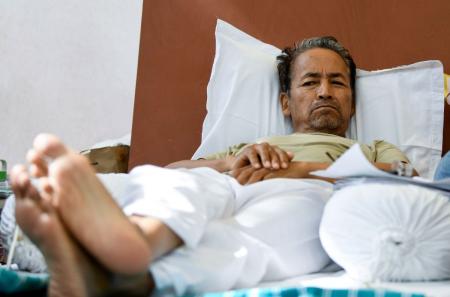
The Delhi High Court has proposed the transfer of climate activist Sonam Wangchuk from Safdarjung Hospital to Medanta Hospital. This decision was made during a hearing on July 21, as the court noted the unanimous opinion of medical experts regarding Wangchuk’s need for continuous monitoring while also considering his expressed concerns. The suggestion was made by a Division Bench comprising Chief Justice Devendra Kumar Upadhyaya and Justice Tejas Karia.

The proposal came in response to an appeal filed by Dr Gitanjali Angmo, Wangchuk’s wife, which challenged a Single Judge’s earlier decision denying Wangchuk’s transfer to a private hospital. The court examined medical records and consulted with doctors from various institutions, including AIIMS and Safdarjung Hospital, ensuring a thorough evaluation of his medical condition.

The Bench highlighted that a consensus among the medical professionals indicated that Wangchuk should remain under constant medical supervision. It noted, “We propose that he be shifted to Medanta, the hospital of his choice,” emphasising the importance of addressing his concerns as stated in a letter he had sent.

Medical Concerns and Legal Arguments

During the hearing, Senior Advocate Akhil Sibal, representing Dr Angmo, provided details about Wangchuk’s health status. He reported that Wangchuk’s vital parameters were stable, despite his ongoing hunger strike. Sibal also presented a letter from Wangchuk, which alleged that he was under police surveillance within the hospital and had been denied access to his mobile phone.

The Chief Justice raised questions about Wangchuk’s elevated urea and uric acid levels, inquiring if they indicated any possible organ dysfunction. A treating doctor responded by explaining that prolonged fasting could lead to the body relying on fat for energy, causing biochemical changes that are anticipated after several days without food.

Sibal further informed the court that two doctors had been consistently monitoring Wangchuk throughout his hunger strike, reinforcing the importance of ongoing medical oversight as he navigated this crisis.

Government’s Stance and Proposed Transfer

Solicitor General Tushar Mehta stated that the Central Government had no objections to Wangchuk’s transfer to Medanta, a facility he described as reputable. Nevertheless, Mehta stressed that Wangchuk must continue under medical supervision and should not be discharged without the approval of Medanta’s medical team.

The Bench accepted the proposal for the transfer, ensuring that all medical records, investigation reports, and treatment documents from Safdarjung Hospital would be provided to Medanta to maintain continuity in Wangchuk’s care. The Solicitor General concurred with the arrangement, marking a collaborative effort between legal and medical teams.

Next Steps and Future Proceedings

As the court session continued, the Bench expressed gratitude to the medical professionals from AIIMS, Safdarjung Hospital, and Wangchuk’s treating team for their assistance during the proceedings. It was confirmed that formal directions regarding the transfer would be issued following the lunch recess.

This case highlights the intersection of healthcare and legal frameworks, illustrating the complexities involved in patient rights, medical needs, and governmental oversight. The court’s commitment to ensuring Wangchuk’s health remains a priority as the situation develops underscores the importance of structured medical care in high-profile cases.

Long or Short, get news the way you like. No ads. No redirections. Download Newspin and Stay Alert, The CSR Journal Mobile app, for fast, crisp, clean updates!

App Store –  https://apps.apple.com/in/app/newspin/id6746449540 

Google Play Store – https://play.google.com/store/apps/details?id=com.inventifweb.newspin&pcampaignid=web_share

Latest News

Popular Videos
