


Delhi Government Raises Ration Card Income Limit to Rs 2.5 Lakh to Expand Family Coverage
The CSR Journal Magazine

In a notable development aimed at easing the financial burden on citizens, the Delhi government has increased the income limit for eligibility to obtain a ration card. In a cabinet meeting led by Chief Minister Rekha Gupta, the annual income ceiling has been raised to Rs 2.5 lakh. This decision will have a positive impact on numerous families in the capital who were previously unable to avail themselves of the subsidised ration scheme due to a restrictive income threshold.

Previous Income Limits Were Inadequate

Before this reform, the income limit for securing a ration card in Delhi was considerably lower. Initially established at Rs 1 lakh, it was later revised to Rs 1.2 lakh per annum. However, given the rising inflation and increasing cost of living in urban areas, these limits were deemed insufficient for many households. The newly established income threshold is expected to alleviate some financial pressures faced by families struggling with high expenses.

Food and Civil Supplies Minister Manjinder Singh Sirsa has highlighted the government’s commitment to ensure that no family in need is deprived of access to essential food items. This revision is anticipated to incorporate more households into the Public Distribution System (PDS), providing them with affordable food grains and financial relief from the ongoing inflationary trend.

With an increased income limit, the move is set to benefit a wider segment of the middle and lower-middle-class communities who will now be eligible for vital resources under the government’s initiatives.

Introduction of Digital Ration System

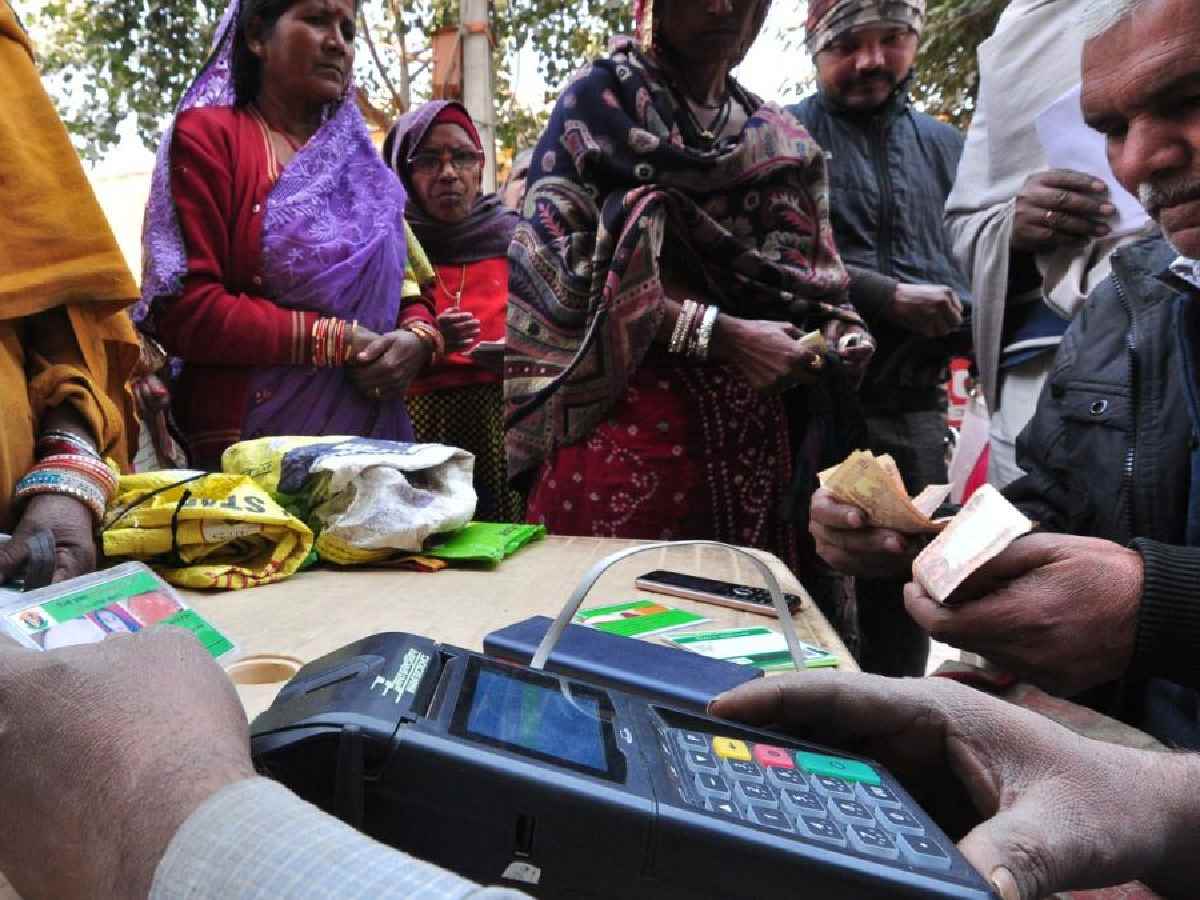
In addition to expanding access, the Delhi government plans to modernise its ration distribution process. A key feature of this innovation is the introduction of a Central Bank Digital Currency (CBDC) based ration system. This digital model aims to transition away from conventional cash transactions, allowing financial assistance to be deposited directly into beneficiaries’ digital wallets.

Recipients can then utilise this digital currency to purchase food grains at ration shops, thus streamlining the entire process. The government aims to implement this system gradually, ensuring a smooth transition that incorporates both public and private banking institutions into the framework.

Officials believe that integrating the banking system with the digital model will facilitate easier payments, minimise corruption, enhance accuracy in distribution, and contribute to increased transparency in governance. This represents a significant step toward digitising public services and improving operational efficiency in the capital.

Future Improvements and Impact

The expansion of the ration card eligibility and the introduction of a digital system are expected to have a considerable impact on food security in Delhi. As more families gain access to affordable rationed commodities, the government anticipates a reduction in the hardships experienced by lower-income households.

By modernising the distribution framework, the government aims not only to improve access but also to ensure the sustainability of the food security initiative in the face of ongoing economic challenges. Through these measures, the Delhi government hopes to bolster its commitment to welfare and social equity, helping to create a more equitable society for its residents.

As the rollout of these initiatives progresses, stakeholders, including civil society organisations, will be monitoring the impacts closely to assess improvements in food security and overall living conditions in the capital.

Long or Short, get news the way you like. No ads. No redirections. Download Newspin and Stay Alert, The CSR Journal Mobile app, for fast, crisp, clean updates!

App Store –  https://apps.apple.com/in/app/newspin/id6746449540 

Google Play Store – https://play.google.com/store/apps/details?id=com.inventifweb.newspin&pcampaignid=web_share

Latest News

Popular Videos
