



Daily Habits May Be Harmful to Your Back and Joints

The CSR Journal Magazine

Daily routines in modern work life have significantly altered how individuals experience physical well-being, particularly regarding back and joint health. Many professionals find themselves seated for prolonged hours, whether at a desk or during commutes, engaging with computers or smartphones. This lifestyle, while seemingly innocuous, applies persistent pressure to the spine and muscles.

Dr Ashwani Maichand, the Director of the Department of Orthopaedics at CK Birla Hospital in Delhi, highlights that joint and back issues are increasingly prevalent among working individuals, including those in their late twenties and thirties. Once seen as age-related concerns, these problems are now emerging much earlier due to various factors.

Several lifestyle elements contribute to this situation, including inadequate movement, poor dietary choices, stress, and unsatisfactory posture. Many individuals disregard initial symptoms, assuming pain will resolve itself, often relying on analgesics or home remedies without consulting healthcare professionals.

Factors Leading to Joint and Back Issues

The contemporary work culture promotes extensive periods of inactivity combined with minimal physical movement. Employees, whether in an office setting or working remotely, often remain seated throughout the day.

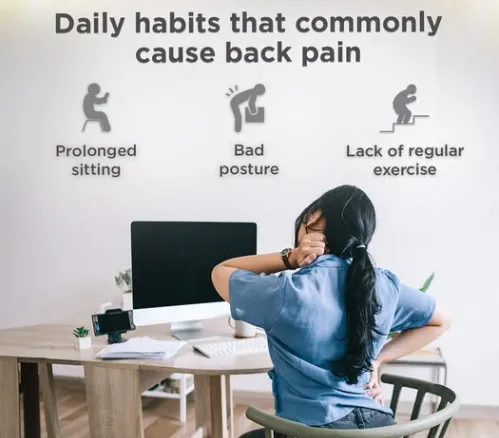
Various contributors to joint and spine ailments include continuous sitting, poor working posture, a lack of exercise, heightened screen time, obesity, smoking, nutritional deficiencies, and elevated stress levels. Over time, these factors can subject the spine and joints to undue strain, making individuals more susceptible to injuries and chronic discomfort.

Among the most common ailments affecting working men are lower back pain, neck pain, and knee problems. Each of these conditions emerges from prolonged sedentary behaviour and inadequate physical activity.

Common Complaints Among Working Men

Lower back pain is notably the predominant issue reported by office employees. The stress of prolonged sitting can weaken the supporting muscles of the spine, resulting in increased strain on the lower back. Typical symptoms may range from dull to acute pain, difficulty in bending or lifting, and stiffness after long periods of sitting.

Neck discomfort and cervical issues are also frequent complaints. The act of consistently looking at screens strains neck muscles, causing stiffness and pain when turning the head, along with potential headaches and tingling sensations in the arms. Over time, poor posture can accelerate conditions such as cervical spondylosis.

Knee pain is another concern, commonly linked to excess weight, inactivity, and long hours spent seated. These factors can weaken knee-supporting muscles, increasing pressure on the joints during everyday activities. Ignoring early signs of knee pain may lead to development of osteoarthritis.

Shoulder stiffness may occur as well, resulting from extended periods of computer use without adequate stretching. Difficulty lifting the arm or pain when reaching overhead are signs indicating reduced mobility in the shoulders.

Preventive Measures and Seeking Help

Many working men continue with their routines despite persistent pain, resorting to painkillers without addressing underlying issues. Ignoring such discomfort may lead to severe and chronic problems, reduced mobility, and potential surgical interventions.

Experts recommend adopting specific lifestyle changes to protect joint health. Regular physical activity, maintaining a healthy weight, and focusing on proper posture are critical measures. Engaging in moderate exercise, such as walking or yoga, can aid in improving overall fitness and reducing joint strain.

If pain persists for several weeks or worsens, it is essential to seek professional advice. Early intervention from a specialist can help diagnose any underlying problems effectively before they escalate into more severe conditions, facilitating timely and appropriate treatment.

Long or Short, get news the way you like. No ads. No redirections. Download Newspin and Stay Alert, The CSR Journal Mobile app, for fast, crisp, clean updates!

App Store –  https://apps.apple.com/in/app/newspin/id6746449540 

Google Play Store – https://play.google.com/store/apps/details?id=com.inventifweb.newspin&pcampaignid=web_share

Latest News

Popular Videos