


China Installs Giant Floating Wind Turbine That May Transform Clean Energy Future
The CSR Journal Magazine

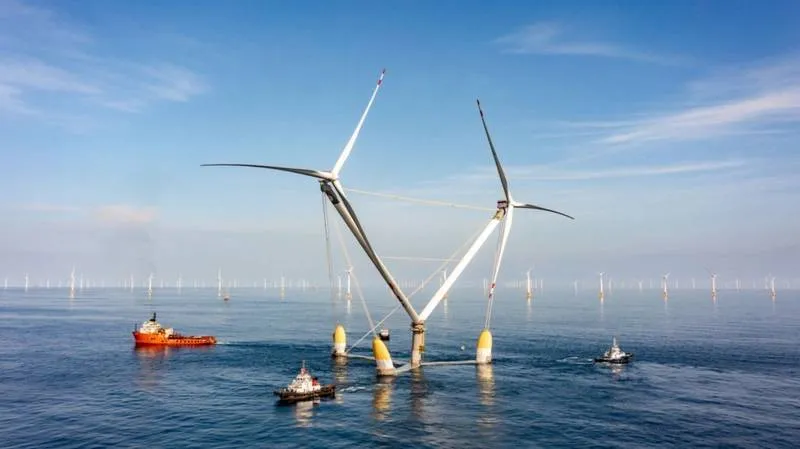
China has recently completed the installation of a substantial floating wind turbine that is expected to significantly impact the renewable energy sector. This project demonstrates China’s commitment to utilising innovative technologies to harness wind energy effectively. The floating design allows the turbine to be placed in deeper waters where wind speeds are often higher compared to traditional fixed turbines.

The turbine was positioned off the coast of Xiamen in Fujian Province, and it marks a crucial development in offshore wind energy capabilities. The deployment involved advanced engineering techniques, showcasing China’s progress in renewable energy technologies. The project aims to provide cleaner energy alternatives while reducing reliance on fossil fuels within the region.

Potential Impact on Renewable Energy Sector

This floating wind turbine could offer substantial benefits to the clean energy sector, particularly in terms of efficiency and energy output. By situating turbines in deeper waters, the harnessed wind energy can be optimised, potentially generating more power than conventional offshore wind farms. This innovation may lead to increased investments in similar projects across the globe.

Experts indicate that this advancement aligns with China’s broader strategy to enhance its renewable energy portfolio and achieve its carbon neutrality goals. The installation of this turbine is expected to stimulate further research and development in floating wind technology, inviting international attention to the possibilities of offshore wind energy.

Furthermore, the success of this project may encourage other nations to explore similar initiatives, enhancing global collaboration in renewable energy. Countries with extensive coastlines and suitable wind conditions may consider floating turbine technologies as viable options for future energy needs.

Challenges and Future Prospects

Despite the promising outlook, there are complexities associated with the implementation of floating wind technology. Challenges include the logistical aspects of installation and maintenance, as well as ensuring the structural integrity of the turbines under varying weather conditions. These factors need to be addressed to realise the full potential of such systems in the energy landscape.

As governments worldwide intensify their focus on sustainable energy solutions, the introduction of floating turbines may lead to a paradigm shift in energy generation. China’s achievement represents a pivotal step forward and signals an era where offshore wind energy may become a more prominent feature of the global energy mix.

With further advancements and a growing number of installations, there is potential for significant reductions in greenhouse gas emissions. Additionally, the economic opportunities tied to the development and deployment of floating wind technologies may be substantial, creating jobs and fostering innovation in this critical field.

Long or Short, get news the way you like. No ads. No redirections. Download Newspin and Stay Alert, The CSR Journal Mobile app, for fast, crisp, clean updates!

App Store –  https://apps.apple.com/in/app/newspin/id6746449540 

Google Play Store – https://play.google.com/store/apps/details?id=com.inventifweb.newspin&pcampaignid=web_share

Latest News

Popular Videos
