


Centre Refutes Rahul’s Claims Regarding Tear Gas and Gunfire
The CSR Journal Magazine

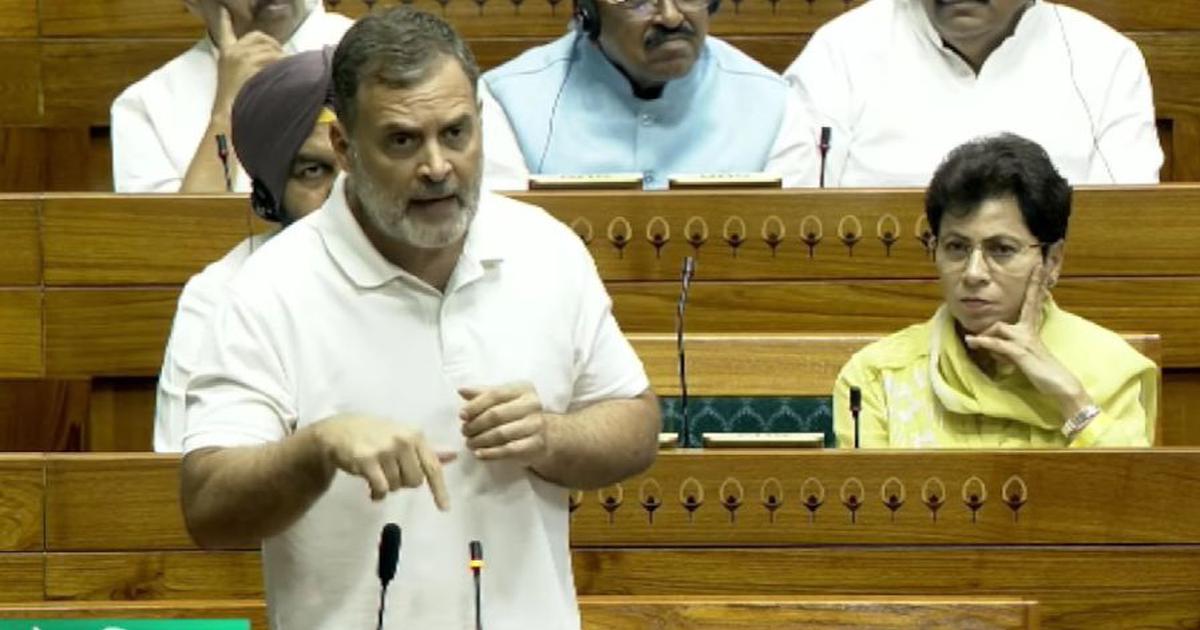
The government has refuted allegations made by Congress leader Rahul Gandhi, asserting that only tear gas was deployed during recent protests and no firearm shots were fired. This response addresses claims made by Gandhi, who has accused the Centre of resorting to extreme measures against demonstrators. Officials have maintained that appropriate protocols were followed in managing the situation, ensuring public safety was paramount.

The counterargument by the government comes amidst growing public scrutiny over crowd control methods used during demonstrations. Officials have indicated that the use of tear gas has been common practice for dispersing large gatherings and maintaining order. Furthermore, they emphasised that the situation was handled with restraint and in accordance with standard operating procedures, aiming to prevent escalation.

In light of these assertions, the Centre has urged Gandhi to retract his statements and issue an apology for what they term as misinformation that could potentially incite unrest. The administration calls for responsible discourse, especially from prominent political figures, to ensure a calm and stable environment across the nation.

Political Reactions and Implications

Reactions from various political factions have emerged following the allegations made by Rahul Gandhi. His party, the Congress, has rallied behind him, expressing solidarity and demanding accountability from the government regarding its handling of protests. This instance highlights the ongoing friction between the ruling party and opposition leaders, particularly related to issues of civil liberties and governmental transparency.

Furthermore, the exchange reflects the larger narrative of political conflict in India, especially regarding the stance of the current administration on law enforcement and citizen rights. The Congress party has pledged to continue raising concerns over governmental actions that it perceives as infringing upon the public’s right to peaceful assembly and expression.

The incident has ignited discussions among civil rights advocates, who are advocating for more substantial oversight of how state forces manage protests. Activists argue that maintaining public order should never come at the expense of civil liberties, urging that government officials be held accountable for their methods and decisions during such events.

Public Sentiment and Future Protests

Public sentiment following these events remains divided, with many citizens voicing concerns regarding governmental authority and the use of force during protests. While some support the government’s stance on maintaining order, others express alarm at what they perceive might be an infringement on democratic rights. This contrast in public reactions underscores the complex relationship between governance and civil rights in contemporary India.

Protests against the government’s actions continue, with organisers planning future demonstrations to highlight their demands for accountability and reform in crowd control policies. Activists are emphasising the need for dialogue with authorities, advocating a peaceful approach to expressing discontent with governmental practices.

In conclusion, the ongoing discourse surrounding Rahul Gandhi’s accusations and the Centre’s rebuttal represents a significant episode in India’s democratic landscape. As tensions remain high, stakeholders on all sides are urged to engage in constructive conversations to foster understanding and address the grievances expressed by a diverse segment of the population.

Long or Short, get news the way you like. No ads. No redirections. Download Newspin and Stay Alert, The CSR Journal Mobile app, for fast, crisp, clean updates!

App Store –  https://apps.apple.com/in/app/newspin/id6746449540 

Google Play Store – https://play.google.com/store/apps/details?id=com.inventifweb.newspin&pcampaignid=web_share

Latest News

Popular Videos
