


Balochistan’s Public Healthcare Faces Challenges as Doctors’ Strike Enters 21st Day
The CSR Journal Magazine

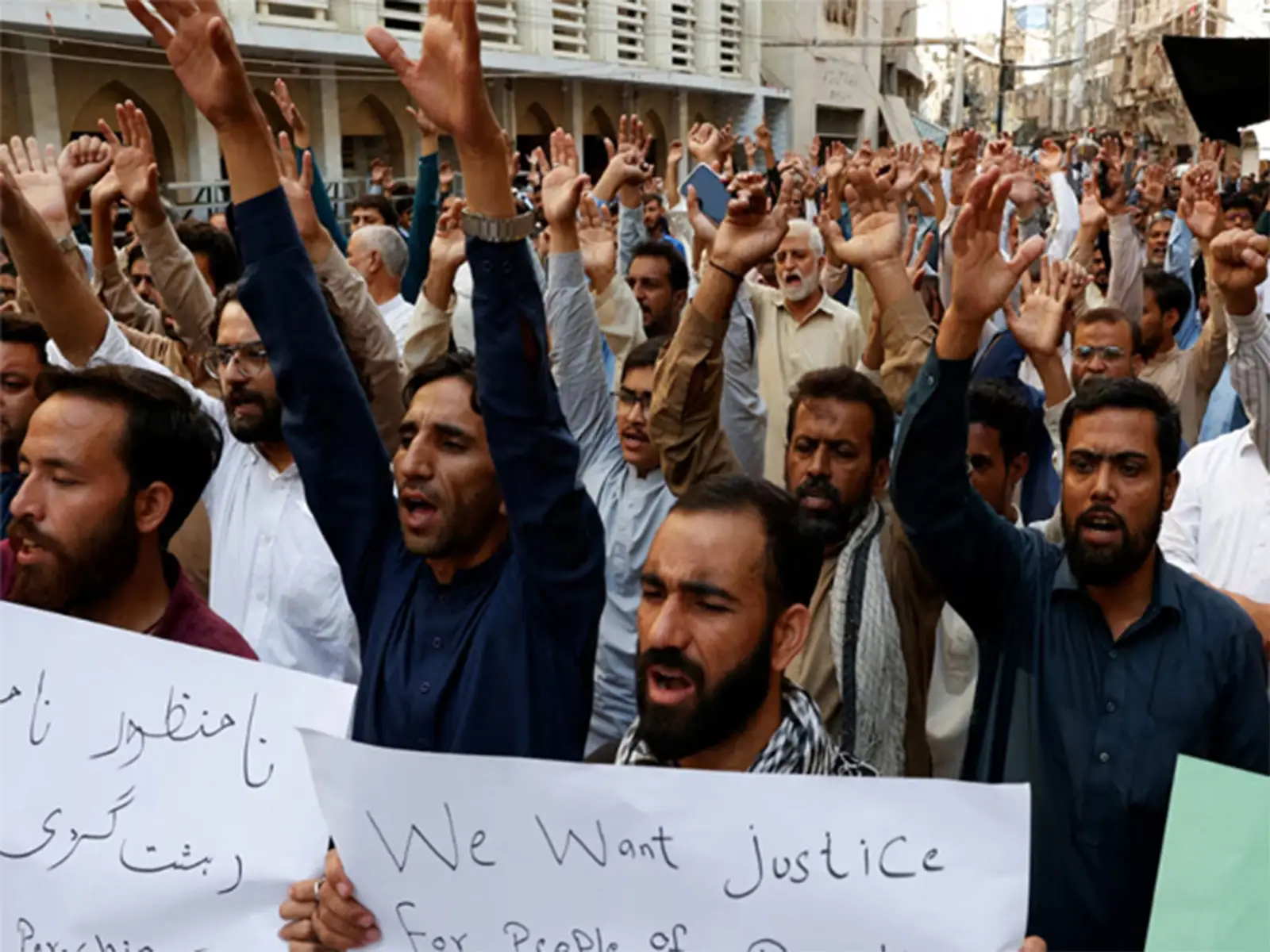
The ongoing strike by doctors in Balochistan, Pakistan, has reached its 21st day, significantly impacting public healthcare. Thousands of patients are enduring difficulties due to the closure of outpatient departments (OPDs) in government hospitals. This action was prompted by an acid attack on a female colleague, which the medical community considers a serious issue that needs urgent attention.

The protest is being led collectively by the Pakistan Medical Association (PMA) Quetta Zone and the Young Doctors Association (YDA). While emergency services, inpatient units, operation theatres, and dialysis facilities remain operational, many patients seeking routine consultations or follow-up treatments have been turned away without assistance, exacerbating the situation for vulnerable demographics like women, children, and the elderly.

In response to the adverse effects of the strike, the PMA Quetta Zone has expressed profound concern over the provincial government’s inadequate progress in investigating the acid attack. They stress that three weeks have passed since the incident, yet those responsible have not been identified, nor have the medical community’s demands been effectively addressed.

Call for Judicial Inquiry and Accountability

The PMA has called for a transparent and impartial judicial investigation into the acid attack. The association has also requested the removal of the provincial health secretary and the medical superintendent of Civil Hospital Quetta until the inquiry concludes; they argue that these officials’ presence might unduly influence the investigation process.

Furthermore, the PMA has condemned the disciplinary actions against over 30 senior doctors and health officials, labelling the measures as inappropriate and disrespectful to the medical profession. This move has added to the tensions within the healthcare community and has provoked further unrest amongst healthcare providers.

As the standoff persists, the PMA has organised a general body meeting at Civil Hospital Quetta to discuss future strategies. Potential strategies under consideration include broadening the protest efforts and possibly planning a long march to Islamabad to draw national attention to their plight.

Appeal to Provincial Authorities

The situation continues to evolve, and the frustration is palpable among healthcare workers who seek to ensure their safety and the wellbeing of the patients they serve. The PMA’s assertion of the need for accountability reflects the broader issues facing public healthcare in the region and the importance of addressing them effectively.

The local population’s need for accessible healthcare remains critical, particularly during this strike. The situation underscores the challenges that can arise from a lack of adequate safety measures for medical personnel that can ultimately compromise patient care and access to necessary medical services.

Long or Short, get news the way you like. No ads. No redirections. Download Newspin and Stay Alert, The CSR Journal Mobile app, for fast, crisp, clean updates!

App Store –  https://apps.apple.com/in/app/newspin/id6746449540 

Google Play Store – https://play.google.com/store/apps/details?id=com.inventifweb.newspin&pcampaignid=web_share

Latest News

Popular Videos
