


Anxiety And Stress: Understanding The Differences For Effective Help
The CSR Journal Magazine

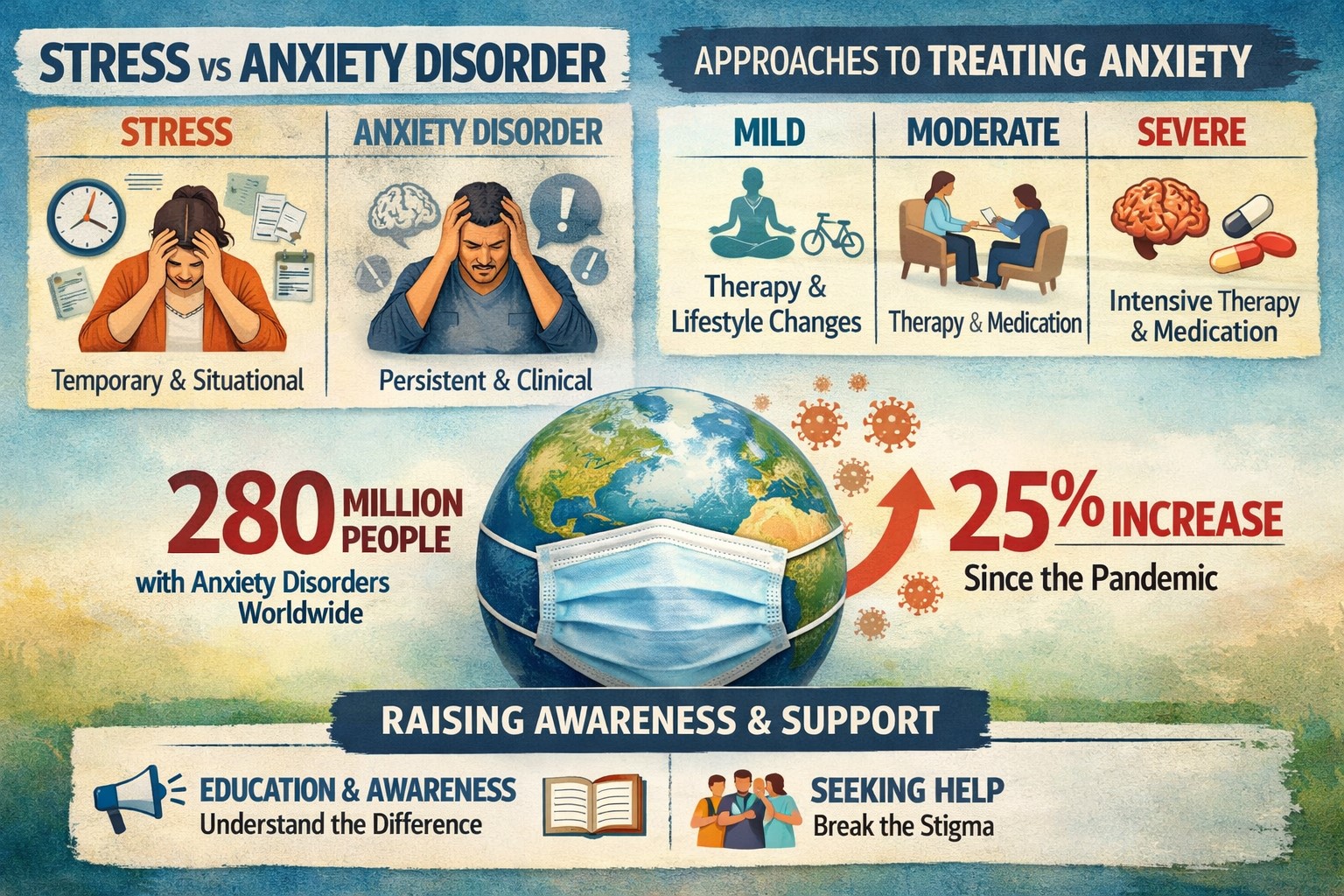
Anxiety and stress are frequently conflated, yet they represent distinct experiences. Anxiety disorders are medical conditions characterised by clear causes and defined diagnostic criteria. The COVID-19 pandemic has exacerbated the situation, resulting in a significant rise in anxiety cases, making it imperative to differentiate between everyday stress and anxiety disorders.

Globally, statistics indicate that approximately 280 million individuals suffer from anxiety disorders. The World Health Organisation has reported a notable 25 per cent increase in anxiety cases following the pandemic, underscoring the prevalence of this condition. Many individuals tend to dismiss anxiety as merely stress; however, understanding the clinical patterns associated with anxiety disorders is crucial for proper identification and treatment.

Stress is often transient, typically arising from life’s challenges and improving with external support or minor adjustments. Anxiety disorders, on the other hand, follow established clinical patterns, which include generalised anxiety disorder, panic disorder, and various phobias. This distinction is vital in ensuring that individuals receive appropriate care.

Approaches to Treating Anxiety

Treatment strategies for anxiety vary depending on the severity of the condition. In cases classified as mild, therapeutic interventions and lifestyle modifications might suffice. For individuals with moderate anxiety, therapy becomes essential, and medication may also be prescribed as necessary. Severe anxiety typically requires a combination of both therapeutic and pharmacological approaches to manage symptoms effectively.

Despite increased awareness of anxiety disorders, a considerable gap exists in the number of individuals who seek help. Research suggests that the proportion of people obtaining treatment is significantly lower than the number who actually require it. Stigma and apprehension surrounding mental health issues contribute to this reluctance, highlighting the need for ongoing public education and support.

Understanding anxiety as a legitimate health issue rather than a fleeting feeling is a critical step towards treatment. An accurate diagnosis followed by timely intervention can empower individuals to regain command over their daily lives, thereby enhancing overall well-being.

Importance of Awareness and Support

Raising awareness about the disparities between anxiety and stress is essential in fostering a better understanding of mental health. Public campaigns and educational programmes can play a significant role in changing perceptions, facilitating conversations about mental health, and reducing stigma. Individuals must realise that seeking help is a sign of strength, not weakness.

Support systems comprising family, friends, and mental health professionals are paramount in helping those experiencing anxiety. Encouragement and compassion can significantly affect an individual’s decision to pursue treatment, making it crucial for society to nurture an environment that prioritises mental well-being.

With the right support and resources, individuals facing anxiety can learn to manage their symptoms effectively. This can lead to improved quality of life and a greater sense of stability. Continued dialogue and education about the differences between anxiety and stress will aid in creating a more informed society where mental health is taken seriously.

Long or Short, get news the way you like. No ads. No redirections. Download Newspin and Stay Alert, The CSR Journal Mobile app, for fast, crisp, clean updates!

App Store –  https://apps.apple.com/in/app/newspin/id6746449540 

Google Play Store – https://play.google.com/store/apps/details?id=com.inventifweb.newspin&pcampaignid=web_share

Latest News

Popular Videos
