


Putin Pushes Gerhard Schroeder To Lead Ukraine Peace Talks With Europe: Who is he?
The CSR Journal Magazine

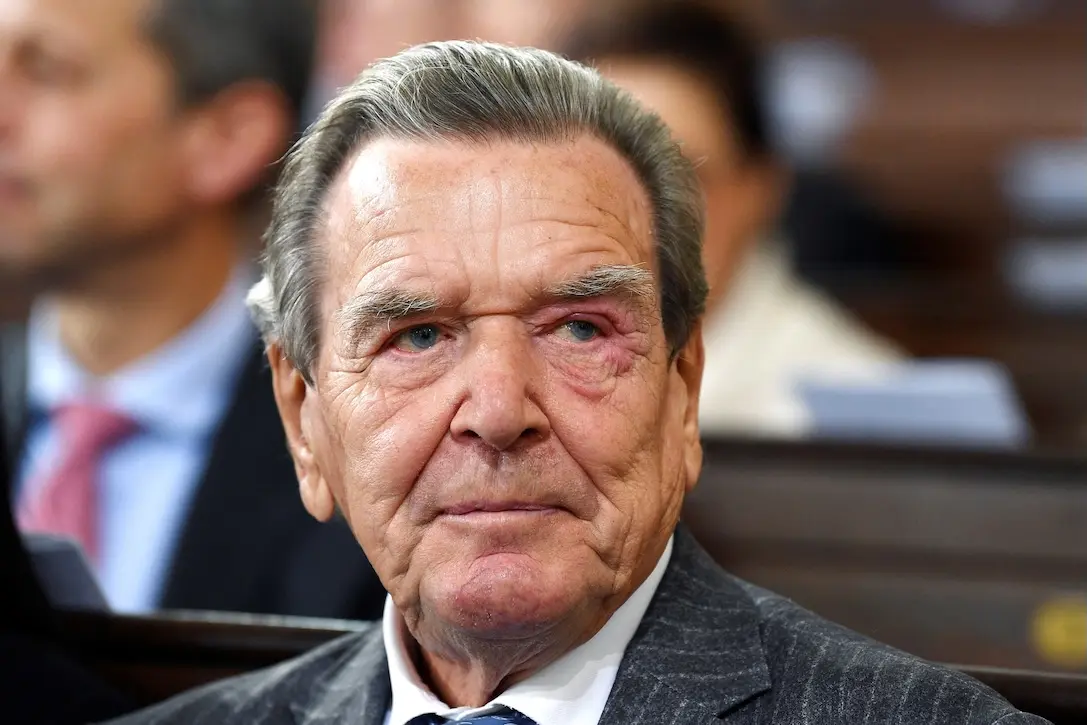
Russian President Vladimir Putin has put forth the name of former German Chancellor Gerhard Schroeder as a potential mediator for peace negotiations with the European Union regarding the ongoing conflict in Ukraine. This suggestion has garnered a mixed response, especially from EU officials, who express scepticism about the viability of such a move.

In a recent statement, European Council President Antonio Costa indicated that there exists “potential” for the EU to engage in discussions with Russia, addressing future security arrangements in Europe. However, the choice of Schroeder as a mediator raises questions about his ties to the Kremlin, given his history of close relations with Putin since leaving office in 2005.

During a recent public appearance, Putin articulated his preference for Schroeder to reopen dialogues with Europe. The former Chancellor, who led Germany from 1998 to 2005, has maintained a level of cordiality with the Russian leader that has led to controversy among Western officials.

Schroeder’s Political Background and Controversies

Gerhard Schroeder, now 82 years old, served as the head of the Social Democratic Party (SPD) and focused on various important political initiatives while in office. These included European integration, reducing unemployment, reforming citizenship laws, and restructuring the economy. His tenure saw a notable rift in German-American relations during 2003 due to his opposition to the Iraq War, aligning with France and Russia against military intervention.

Upon his departure from government, Schroeder quickly accepted the role of chairman for a German-Russian consortium responsible for a gas pipeline project under the Baltic Sea. His involvement extended into roles in major Russian energy initiatives, including participation in the Nord Stream gas pipelines and a board position at Rosneft, a Russian oil company, which he vacated in 2022 amidst rising tensions regarding Ukraine.

Schroeder has been a polarising figure in Germany, particularly following the Russian invasion of Ukraine in 2022. His reluctance to publically criticise Russia’s actions has led to criticism and the loss of certain privileges previously afforded to ex-chancellors. In past remarks, he has controversially described Putin as “a flawless democrat,” despite evidence of diminishing freedoms in Russia under his leadership.

Current Conflict and Reactions to Peace Proposals

The conflict in Ukraine has intensified with ongoing skirmishes, despite attempts at establishing ceasefires. Russian attacks have reportedly continued, with Ukrainian officials indicating fatalities and ongoing combat engagements along the front lines. Ukrainian President Volodymyr Zelenskyy condemned Putin’s efforts for a ceasefire and reiterated that Ukraine would not cede territory without substantial guarantees.

Amidst the US-led peace initiatives, recent interactions between Kyiv and Moscow have reported stalled progress, with both sides accusing each other of violations during proposed pauses in hostilities. The context of these negotiations is complicated by ongoing military offensives in Ukraine’s Donetsk region.

EU foreign policy chief Kaja Kallas expressed her doubts regarding Putin’s proposal, arguing that allowing Russia to dictate the terms of a mediator could prove imprudent for Europe. German officials echoed similar sentiments, labelling Putin’s suggestion as not credible, pointing to insufficient changes on Russia’s part in regards to its negotiating stance.

Long or Short, get news the way you like. No ads. No redirections. Download Newspin and Stay Alert, The CSR Journal Mobile app, for fast, crisp, clean updates!

App Store –  https://apps.apple.com/in/app/newspin/id6746449540 

Google Play Store – https://play.google.com/store/apps/details?id=com.inventifweb.newspin&pcampaignid=web_share

Latest News

Popular Videos
