


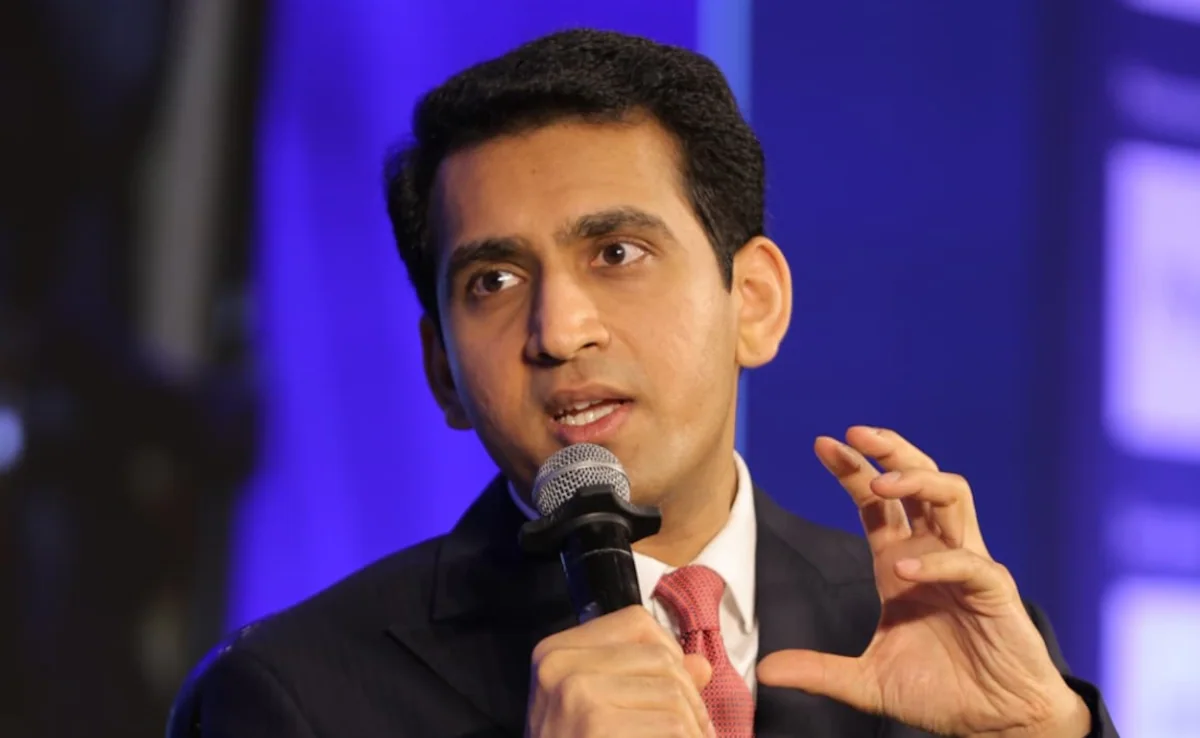

Sagar Adani Highlights Need for Electrification Amid Global Energy Challenges

The CSR Journal Magazine

Sagar Adani, an executive at the Adani Group focused on its energy portfolio, emphasised that the key to resilience in the 21st century will be energy access. Speaking at the Economist’s Resilient Futures Summit in New Delhi, he noted that India, as a significant importer of fossil fuels, is particularly vulnerable to disruptions in global supply chains, especially given the escalating tensions in the Middle East due to the ongoing US-Iran conflict.

Adani pointed out that the consequences of conflicts can lead to immediate energy price shocks, affecting economies worldwide. As India faces long-term challenges such as water security and food systems, he remarked that all these issues are fundamentally linked to energy availability and affordability.

He highlighted that India’s per-capita energy consumption is approximately one-third of the global average and about one-fifth of that of China. To achieve its goal of becoming a developed economy by the year 2047, Adani stated that India needs to increase its energy capacity by nearly 2,000 gigawatts over the next two decades while ensuring that energy remains both affordable and increasingly environmentally friendly.
India’s Growing Energy Demand

The International Energy Agency has predicted that India will emerge as the largest contributor to global energy-demand growth by 2035. This is largely driven by urbanisation and rising incomes, which are anticipated to significantly boost energy consumption in the country. Adani affirmed that how efficiently and rapidly India electrifies its economy will greatly influence global energy markets in the coming years.

He made a compelling case for the urgent scaling of renewable energy sources, while also acknowledging the limitations imposed by land availability and the intermittent nature of renewable energy. Therefore, he has advocated for a diversified energy mix that includes hydroelectric power, efficient thermal power, and nuclear energy to provide a stable supply when renewable sources are less reliable.

At just 31 years old, Adani has quickly become a leading figure in the energy sector, having joined the Adani Group in 2015 after completing his economics studies at Brown University. He has played a pivotal role in developing the group’s solar and wind capabilities, beginning his hands-on involvement with the first solar plant in southern India.

Adani Group’s Commitment to Energy Transition

In his address, Adani underscored the ethos of the Adani Group regarding its commitment to executing large-scale energy solutions. He mentioned Gautam Adani’s public pledge to invest over $100 billion in the energy transition, focusing on an integrated approach that combines various elements such as renewable energy, storage, transmission, and green hydrogen, rather than relying on isolated projects.

He asserted that if India can ramp up the production of abundant, affordable, and cleaner energy rapidly enough, it will not only shield its 1.4 billion citizens from external energy shocks but will also contribute to stabilising a global economy increasingly reliant on India’s economic growth.

Adani’s vision for the future highlights the importance of a robust energy infrastructure that can adapt to the evolving demands of the global landscape while prioritising sustainability and energy security for India.

Long or Short, get news the way you like. No ads. No redirections. Download Newspin and Stay Alert, The CSR Journal Mobile app, for fast, crisp, clean updates!

App Store –  https://apps.apple.com/in/app/newspin/id6746449540 

Google Play Store – https://play.google.com/store/apps/details?id=com.inventifweb.newspin&pcampaignid=web_share

Latest News

Popular Videos