


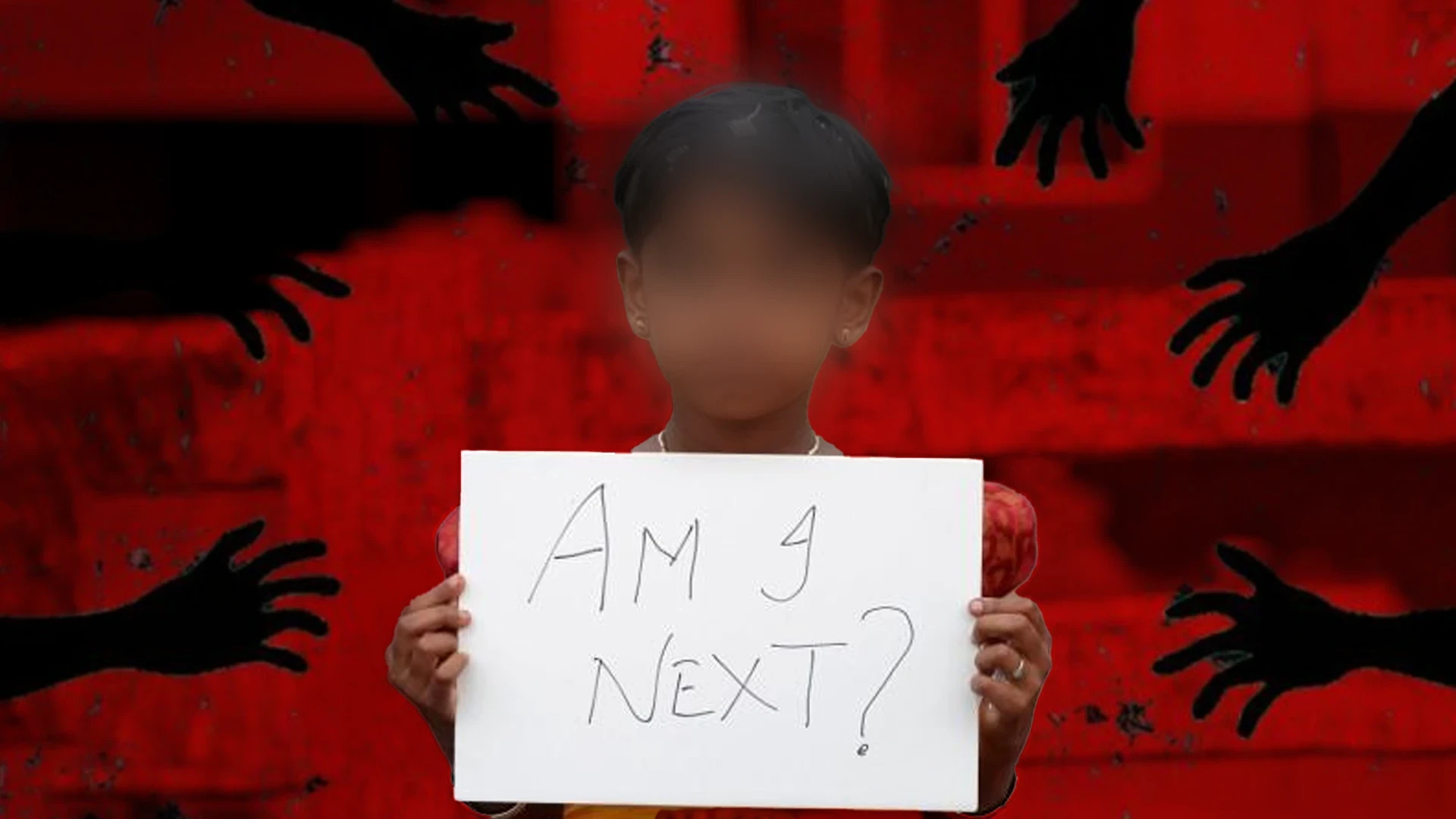

A Cry That Cannot Be Ignored: What Must Governments Do to Stop the Rape of Minor Girls?
The horror is not just in the crime—it is in the silence that follows. A child, robbed of safety, dignity, and childhood, becomes another statistic in a system that often reacts too late. Across India and the world, minor girl child rape is not an isolated tragedy; it is a systemic failure.
Studies show that over half of children report facing some form of sexual abuse, and in many cases, the perpetrator is someone the child knows or trusts. This is not just a law-and-order issue—it is also a societal emergency.
When a Nation Fails Its Daughters: Why Governments Must Create Fear Before Crime, Not Regret After
There is something profoundly broken in a system where a child must suffer unimaginable violence before the state responds with outrage. The pattern is now painfully familiar: a brutal rape of a minor girl, public anger, political statements, promises of “strict action”—and then, silence.
The truth is uncomfortable, but it must be said clearly: governments are not acting with the urgency this crisis demands.
Not because they lack laws. Not because they lack power.
But because they lack consistent, uncompromising enforcement and political priority.
Laws Without Fear Are Just Words
India’s Protection of Children from Sexual Offences Act (POCSO) is, on paper, one of the strictest child protection laws in the world. In some cases, even the death penalty has been introduced for heinous rape of minors. And yet, the crimes continue. Why?
Because punishment after the crime does not create fear before the crime—especially when:
-
Cases drag on for years
-
Conviction rates remain inconsistent
-
Accused individuals often roam free during trials
-
Survivors are pressured into silence
A criminal does not fear a law. He fears certainty and right now, that certainty does not exist.
The Government’s Failure: Reaction Instead of Prevention
Governments often behave like crisis managers, not protectors. Action comes after public outrage, not before tragedy. Budgets are announced committees are formed , statements are made.
But on the ground:
-
Police stations lack trained child protection officers
-
Forensic delays weaken cases
-
Victims face intimidation and social stigma
-
Monitoring of repeat offenders is nearly non-existent
This is not a lack of resources. This is a lack of execution and accountability.
What Would Actually Create Fear in the Mind of a Potential Offender?
If the goal is prevention, then the system must send a clear message:
“If you commit this crime, you will be caught quickly, tried swiftly, and punished certainly.”
Here is what is required :
1. Guaranteed, Time-Bound Justice — Not Promises
Every rape case involving a minor must be:
-
Investigated within a fixed timeframe (e.g., 30–60 days)
-
Tried in fast-track courts with daily hearings
-
Resolved within months, not years
Countries like the United Kingdom emphasize coordinated investigation and rapid legal processing through specialized units.
Fear comes from speed + certainty, not just severity.
2. No Bail for Heinous Crimes Against Minors
If the accused can walk free during trial, the system has already failed the victim.
-
Strict no-bail provisions for severe cases
-
Electronic monitoring of accused individuals where bail is granted
-
Immediate arrest protocols
In many parts of the world, including Japan, legal reforms have expanded definitions and tightened enforcement, making it harder for offenders to escape early consequences.
3. Public Offender Registries and Tracking
Repeat offenders thrive in anonymity. Governments must:
-
Maintain a national sex offender registry accessible to law enforcement
-
Track movements of convicted offenders
-
Restrict their access to schools, parks, and child-centric spaces
The United States has long used registries to monitor offenders, creating a layer of deterrence and surveillance.
4. Police Accountability — Not Just Training
Training alone is meaningless without consequences.
-
If a police officer delays filing an FIR, there must be disciplinary action
-
If evidence is mishandled, there must be legal consequences
-
If a survivor is mistreated, there must be immediate suspension and inquiry
Fear must exist not just for criminals—but for negligence within the system.
5. Technology-Led Surveillance and Detection
Governments must stop lagging behind criminals in technology.
-
AI systems to detect child abuse material online
-
Monitoring of repeat offenders’ digital activity
-
Fast forensic analysis using modern labs
The European Union has pushed for stronger platform accountability, recognizing that modern crimes often begin online.
6. Compulsory Prevention Education — Without Excuses
A system that does not educate children is complicit in their vulnerability.
-
Mandatory “safe touch” education in all schools
-
Anonymous reporting channels for students
-
Strict background checks for all staff working with children
Prevention is not optional—it is the first line of defense.
The Hardest Truth: This Is Not Just a Legal Problem
Most perpetrators are not strangers.
They are:
-
Relatives
-
Neighbors
-
Authority figures