


Aadhaar Identities Hijacked by AI Scammers Using Social Media Photos
The CSR Journal Magazine

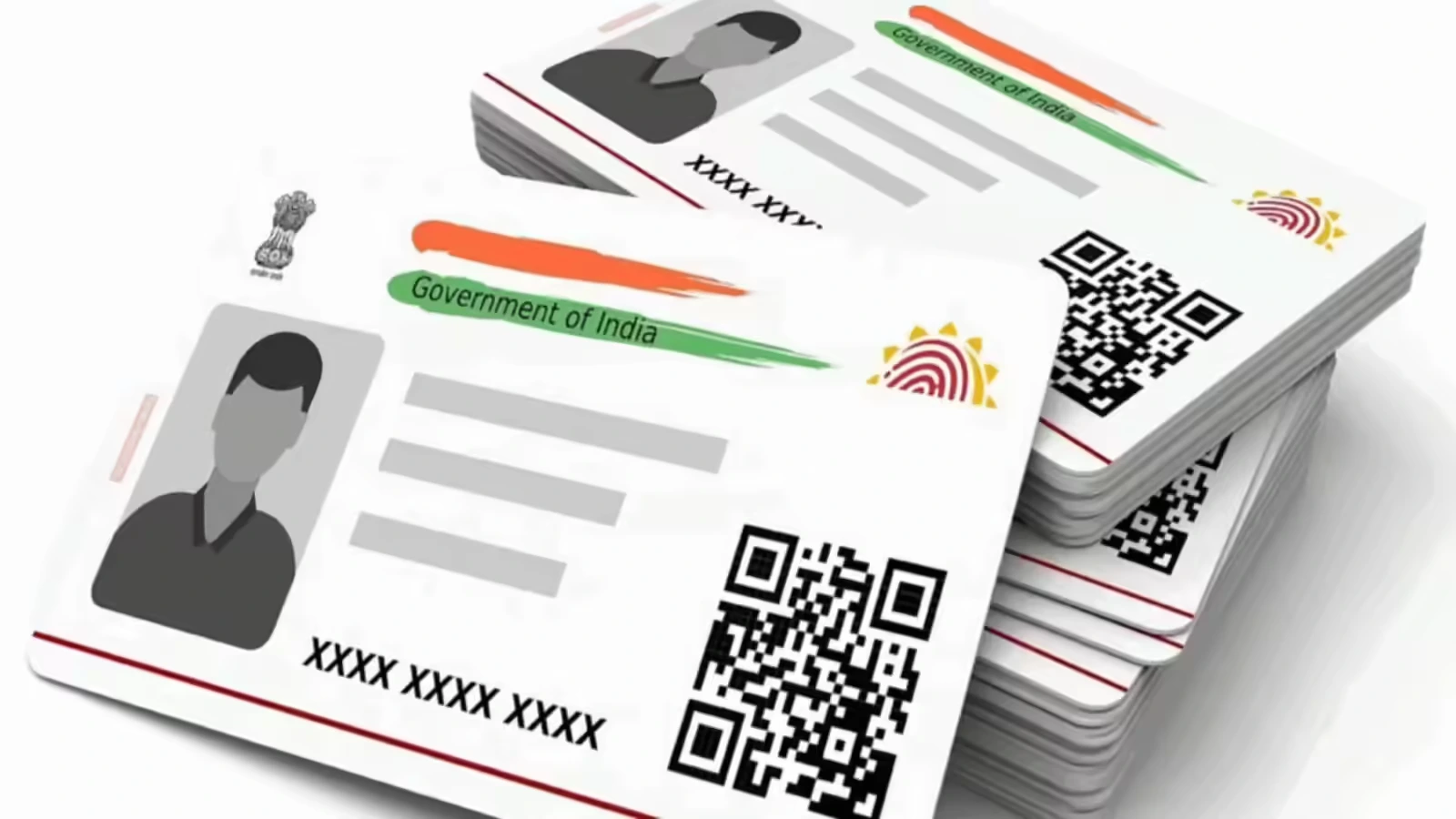
The recent exposure of a cyber fraud racket has revealed how scammers allegedly utilised AI-generated deepfake videos to hijack Aadhaar-linked identities and illicitly acquire loans. Investigators, notably from the Ahmedabad Cyber Crime Branch, have reported that this sophisticated operation has shocked many, showcasing the troubling application of advancing technology in financial crimes. The gang reportedly changed mobile numbers associated with Aadhaar cards without alerting the victims.

Authorities have apprehended three additional suspects from Assam and Uttar Pradesh, raising the total number of arrests to seven. One key suspect, Oli Ullah from Assam, is still on the run. The methods employed by the group were reportedly so advanced that they astonished even seasoned cyber experts.

Methodology Employed by the Scam Operatives

According to police, the gang initiated the fraud by identifying financially stable individuals through online platforms such as “Master India.” They accessed personal details, including GST and PAN information, to assess potential victims’ financial standings. After pinpointing a target, the operatives allegedly used Telegram bots and various digital tools to gather Aadhaar-linked personal data and photographs from social media.

One image reportedly became the cornerstone of their fraudulent activities. The gang purportedly employed AI software to generate “blinking deepfake videos,” which imitate genuine human expressions to deceive online identity verification systems. These fabricated videos were utilised to circumvent biometric and online authentication protocols linked to Aadhaar. This swift process enabled them to change the victim’s registered mobile number and gain control over their digital identity.

By altering an Aadhaar-linked mobile number, the criminals gained access to various services, including banking alerts and digital lockers. Following this, the suspects procured new SIM cards and opened fresh bank accounts, enabling them to apply for immediate personal loans ranging from Rs 25,000 to Rs 50,000. The illicit funds were meticulously channelled through multiple accounts to elude detection.

Impact and Discovery of the Fraud

The scam was ultimately exposed when a businessman from Ahmedabad stopped receiving OTPs for his Aadhaar-enabled payment transactions. Initially presuming it a technical error, he soon uncovered a far more serious issue: his Aadhaar-linked mobile number and biometric identifiers had been altered without any OTP verification, and loans were fraudulently secured in his name.

Investigators have alleged the involvement of Kanu Parmar, a local Aadhaar kit operator, in facilitating these illegal modifications. Cyber Crime DCP Lavina Sinha indicated that the gang exploited Common Service Centres (CSCs) to manipulate mobile numbers associated with Aadhaar. “The number change provided complete access to banking services and digital lockers, resulting in the opening of bank accounts and acquisition of loans,” she remarked.

The investigation employed digital tracking, technical surveillance, and human intelligence, leading to the identification of four initial suspects. Subsequent interrogations exposed an expansive inter-state network. Coordinated raids in Assam and Uttar Pradesh resulted in the capture of Rabbul Hussain, reputedly the technical head managing AI resources and identity theft operations.

Concerns Over Digital Identity Vulnerabilities

This case has raised significant concerns regarding the vulnerabilities within India’s evolving digital identity framework. Authorities have alerted the Aadhaar department to what they describe as “serious loopholes” exploited by the scammers. As investigations persist, there is an ongoing effort to determine the extent of victims across the nation.

The findings serve as a stark reminder of the potential dangers associated with digital identities, particularly how online photographs can be transformed into tools for cybercrime in the contemporary age. Continued scrutiny and updates to safeguard against such exploitation are becoming increasingly paramount.

Long or Short, get news the way you like. No ads. No redirections. Download Newspin and Stay Alert, The CSR Journal Mobile app, for fast, crisp, clean updates!

App Store –  https://apps.apple.com/in/app/newspin/id6746449540 

Google Play Store – https://play.google.com/store/apps/details?id=com.inventifweb.newspin&pcampaignid=web_share

Latest News

Popular Videos
