


Amit Shah Declares Bastar Naxal-Free, Calls It a Major Victory After Decades of Violence
The CSR Journal Magazine

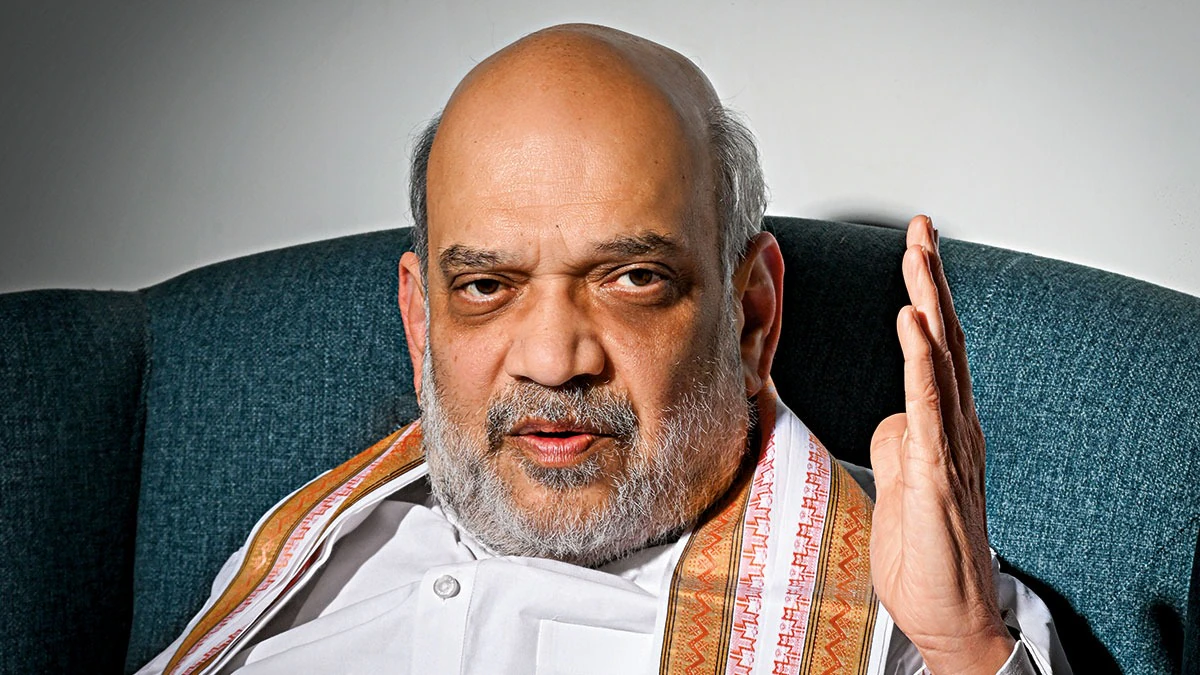
The announcement by Union Home Minister Amit Shah that India is now Naxal-free marks a significant moment in the historical context of Bastar, Chhattisgarh. This region is known for its long-standing Maoist insurgency, a struggle that has claimed numerous lives and shaped the area’s socio-economic landscape. The recognition of Bastar as central to the elimination of Naxalism highlights the government’s commitment to addressing decades of violence and underdevelopment.

Bastar has been synonymous with the impact of Naxalism for years, being the site of India’s deadliest Maoist attacks, including the tragic ambush on April 6, 2010, which resulted in the deaths of 76 CRPF personnel. This history of violence has led residents to live in a state of constant fear, rendering the region emblematic of the broader conflict between state forces and Naxal insurgents.

In his declaration, Shah noted that while India achieved independence in 1947, true freedom for Bastar will only be realised by March 31, 2026. His remarks encapsulated the struggles faced by the 1.41 million residents over the last six decades and aimed to convey a message of optimism about the future of the area.

Government Initiatives Against Naxalism

The Modi government’s resolve since 2019 to establish a Naxal-mukt Bharat has resulted in intensified efforts, particularly after the BJP secured power in Chhattisgarh in 2023. Statistical data reveal that in 2024 alone, 224 Naxals were killed, while in 2025, the figure reached around 400. Over the past decade, more than 10,000 Naxals have surrendered, indicating a notable shift in the dynamics of the insurgency.

However, the terrain of Bastar, characterised by dense forests, has posed significant challenges for anti-Naxal operations. The region’s difficult geography often obscured ambushes, complicating the efforts of security forces. In total, nearly 1,300 security personnel have lost their lives in the conflict, making it one of the most hazardous regions in India.

Civilians who opposed the Naxals, or acted as informants for the police, often faced brutal reprisals, resulting in over 1,800 deaths attributed to Naxal violence from 2001 to 2024. Such conditions have contributed to the ongoing underdevelopment in the region, necessitating substantial investment to reverse economic losses.

Future Prospects and Development Agenda for Bastar

The move to affirm Bastar as a Naxal-free zone is part of a broader strategy to reposition the area as a model of stability and development. Shah’s remarks included plans to convert security camps into Jan Seva Kendras, which will serve as one-stop facilities for welfare services and digital connectivity. This shift is intended to improve accessibility to essential services, including banking and government benefits.

The Union Home Minister’s visit and the hosting of the Central Zonal Council meeting signal a new chapter for Bastar, aiming to enhance infrastructure, communication networks, and public amenities. These developments are crucial for attracting investment and promoting tourism, critical for the region’s long-term recovery and growth.

By highlighting the transition from a conflict zone to a focus of investment and development, the government hopes to change the narrative surrounding Bastar. The ongoing efforts to bolster road connectivity and public facilities reflect a commitment to improving the quality of life for its residents, thus contributing to the larger goal of national development.

Long or Short, get news the way you like. No ads. No redirections. Download Newspin and Stay Alert, The CSR Journal Mobile app, for fast, crisp, clean updates!

App Store –  https://apps.apple.com/in/app/newspin/id6746449540 

Google Play Store – https://play.google.com/store/apps/details?id=com.inventifweb.newspin&pcampaignid=web_share

Latest News

Popular Videos
