


“Accept Our Three Demands In Writing, We’ll Go Home”: CJP’s Ashutosh Ranka Calls For Candle March After Pradhan Quits

The CSR Journal Magazine

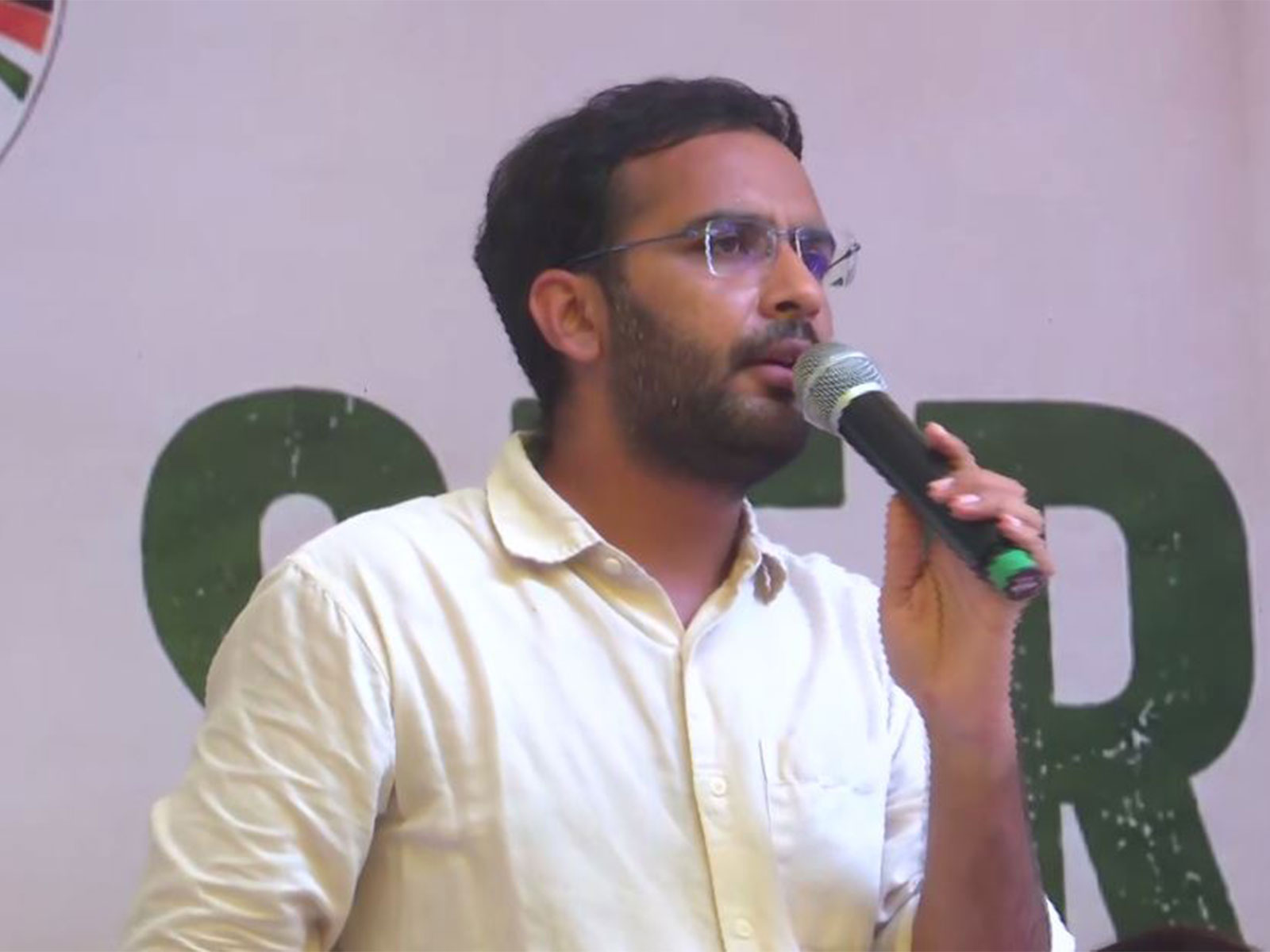
The resignation of Education Minister Dharmendra Pradhan followed extensive protests across the nation concerning the NEET-UG examination paper leak. The Cockroach Janta Party (CJP) has characterised this resignation as a significant achievement for the common citizen, urging the government to formally accept three key demands. CJP spokesperson Ashutosh Ranka announced plans for a candle march nationwide on the evening of July 25, if their requests are not met.

Pradhan submitted his resignation to Prime Minister Narendra Modi, citing the necessity for swift action to prevent confusion among students. He emphasised his longstanding dedication to educational reform, attributing his decision to the broader interest of the student community. The protests escalated, culminating in concerted actions from various student organisations.

CJP’s Key Demands and Response

The CJP’s three primary demands include the official resignation of Pradhan, compensation of Rs 1 crore for the families of NEET aspirants who reportedly took their own lives due to the pressure and disappointment stemming from the examination issues, and the withdrawal of charges against protesters. Ranka stated, “If you accept our three demands in writing, we will go home,” underscoring that their movement was geared towards a peaceful resolution.

Ranka encouraged citizens to partake in a coordinated candle march commencing at 6:00 PM, further stirring a sense of solidarity around this cause. He described the situation as a pivotal moment for advocating the rights of the youth and ensuring accountability within the government. Protests had been ongoing, accentuated by a notable hunger strike led by activist Sonam Wangchuk, which lasted for 26 days.

In his statements, Ranka proclaimed this resignation as a victory for the common person, illustrating the potential power of collective action against governmental decisions. The CJP, under the leadership of founder Abhijeet Dipke, expressed pride in what they viewed as a successful outcome following their relentless advocacy. Dipke affirmed, “We have done it. Dharmendra Pradhan has resigned,” signalling a temporary triumph for their supporters.

Context and Future Implications

The backdrop to this event includes serious allegations of misconduct surrounding the NEET-UG examination held on May 3, 2026. Following the discovery of irregularities, the Government of India acted quickly, cancelling the exam and referring the investigation to the Central Bureau of Investigation (CBI). Pradhan confirmed that a re-examination date has been set, alongside the decision to transition to a Computer-Based Test (CBT) format in the future.

Pradhan’s long-term association with education and the reform process has been central to his political identity. In his resignation statement, he reiterated the importance of maintaining a robust education system as the cornerstone of a progressive nation. This incident raises questions about the accountability of educational institutions and the government’s role in safeguarding the interests of students.

Although Pradhan has stepped down from his ministerial position, the implications of this resignation could reverberate through the Indian educational landscape. Stakeholders are likely to keenly observe how the government addresses the demands raised by the protesters and whether there will be changes in policy regarding educational assessments in light of recent events.

Long or Short, get news the way you like. No ads. No redirections. Download Newspin and Stay Alert, The CSR Journal Mobile app, for fast, crisp, clean updates!

App Store –  https://apps.apple.com/in/app/newspin/id6746449540 

Google Play Store – https://play.google.com/store/apps/details?id=com.inventifweb.newspin&pcampaignid=web_share

Latest News

Popular Videos