


315 Districts Mapped as India Faces 43% Rain Deficit
The CSR Journal Magazine

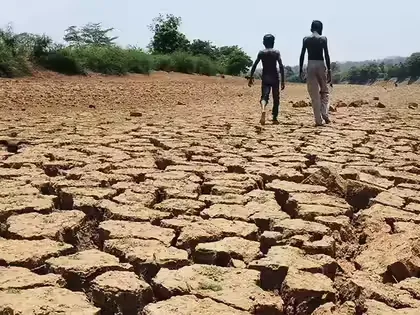
The current rain deficit across India has reportedly reached 43 per cent, significantly impacting agricultural operations. This shortfall in rainfall has raised concerns among farmers and policy makers alike, as the monsoon season is critical for crop production. The reduction in precipitation has led to worries about crop yields, food security, and the livelihoods of those relying on agriculture.

Officials have emphasised that timely interventions are essential to mitigate the adverse effects of this deficit. The mapping of 315 districts has been initiated to ensure that contingency measures are effectively implemented. This proactive approach aims to support farmers who may face challenges due to insufficient rainfall.

Farmers across various states have started to experience stress as crops begin to suffer from water scarcity. This concern is particularly pronounced in regions that heavily depend on monsoons for irrigation. In light of these developments, the need for an organised response has become increasingly critical for sustaining agricultural productivity.

District Mapping Initiatives

The decision to map 315 districts is part of a broader strategy intended to provide targeted assistance to agricultural regions most affected by rainfall deficits. Authorities are collaborating with local administrations to identify the areas in need of immediate support. The focus is on facilitating access to alternative water sources, implementing rainwater harvesting systems, and advising on suitable crop choices under drought conditions.

In addition, the government plans to provide financial assistance to farmers affected by the rain deficit. This will include schemes for those who are unable to cultivate their crops due to lack of water. The emphasis on mapping these districts is expected to streamline the deployment of resources and aid within the affected regions.

Regional agricultural officers are reportedly collecting data on soil moisture levels and crop health to inform these contingency plans. They are also working on developing templates for state governments to tailor solutions based on local conditions. This grassroots approach aims to empower farmers with knowledge and resources crucial to navigating challenges posed by climate variability.

Government’s Response and Future Plans

The government has reiterated its commitment to supporting farmers during this challenging period. Various ministries are coordinating efforts to ensure that both short-term and long-term measures are in place. This includes enhancing irrigation infrastructure and exploring innovative agricultural practices that can withstand lower rainfall levels.

Furthermore, the administration is exploring public awareness campaigns to educate farmers on water conservation techniques and crop management strategies suited to drier conditions. Recent discussions have also highlighted the importance of diversifying crops to minimise risks associated with climate change and unpredictable weather patterns.

As plans are put into action, stakeholders are advocating for the establishment of a monitoring system to assess the efficiency of these contingency measures. By analysing data and evaluating outcomes, officials hope to refine their approach in addressing agricultural challenges in future seasons, ensuring sustenance for India’s vast farming community.

Long or Short, get news the way you like. No ads. No redirections. Download Newspin and Stay Alert, The CSR Journal Mobile app, for fast, crisp, clean updates!

App Store –  https://apps.apple.com/in/app/newspin/id6746449540 

Google Play Store – https://play.google.com/store/apps/details?id=com.inventifweb.newspin&pcampaignid=web_share

Latest News

Popular Videos
