


Why Your Homemade Paneer Turns Hard: Easy Tips to Make Soft Paneer at Home
The CSR Journal Magazine

Creating soft paneer at home can often appear more complex than necessary. Many individuals find that their homemade attempts result in dense, rubbery pieces that lack the desirable texture of store-bought paneer. Frequently, using an adequate volume of milk does not yield the expected quantity, leaving many disappointed with their results.

A recent technique has gained recognition for its efficacy in producing a better yield and texture from just half a litre of milk. This method is straightforward, utilising common household ingredients, making it accessible for anyone wishing to make paneer from the comfort of their kitchen.

The notable secret to achieving soft paneer is in the process of curdling the milk and an additional resting phase that significantly alters the final product. Understanding these nuances can help home cooks achieve the desired results.

Common Mistakes That Lead to Hard Paneer

A prevalent error in homemade paneer preparation concerns the method of adding lemon juice. Many people introduce lemon juice directly into boiling milk, which can cause the curds to form too rapidly. This abrupt process often results in paneer that has a tough, rubber-like texture.

Additionally, excessive lemon juice can lead to a sour taste and a firmer consistency, making the final product less enjoyable. It is essential to realise that the technique of adding lemon juice plays a pivotal role in the quality of the paneer.

By altering the way lemon juice is incorporated into the milk, individuals can significantly enhance the softness and overall texture of the paneer produced.

The Effective Technique for Soft Paneer

To improve the curdling process, it is advisable to dilute one tablespoon of lemon juice with an equal amount of water before adding it to the milk. Rather than pouring the undiluted juice directly into the boiling milk, the diluted mixture should be introduced slowly while gently stirring. This gradual incorporation helps the milk separate more gently, resulting in a softer paneer.

Once the milk has separated, it is important to stop adding lemon juice immediately. The colour of the whey will shift to a greenish hue, indicating that the curdling process is complete. This small adjustment can have a significant impact on the ultimate texture of the paneer.

After the milk has been curdled, the next crucial step is to let the curds rest in the hot water for around three hours. This resting period allows the paneer to absorb more moisture, which enhances its softness, sponginess, and overall weight. Consequently, this method can improve the quantity of paneer produced using this simple technique.

Steps to Prepare Paneer at Home

To make paneer at home, starting with full-cream milk is recommended, as it yields a better texture and higher quantity. Begin by boiling the milk in a thick-bottomed pan while stirring occasionally to prevent sticking or burning.

Next, slowly add the diluted lemon juice until the milk clearly separates into curds and whey. After achieving separation, let the curdled milk rest for three hours, then strain using a muslin cloth. Rinse the curds two to three times with cold water to eliminate any sourness.

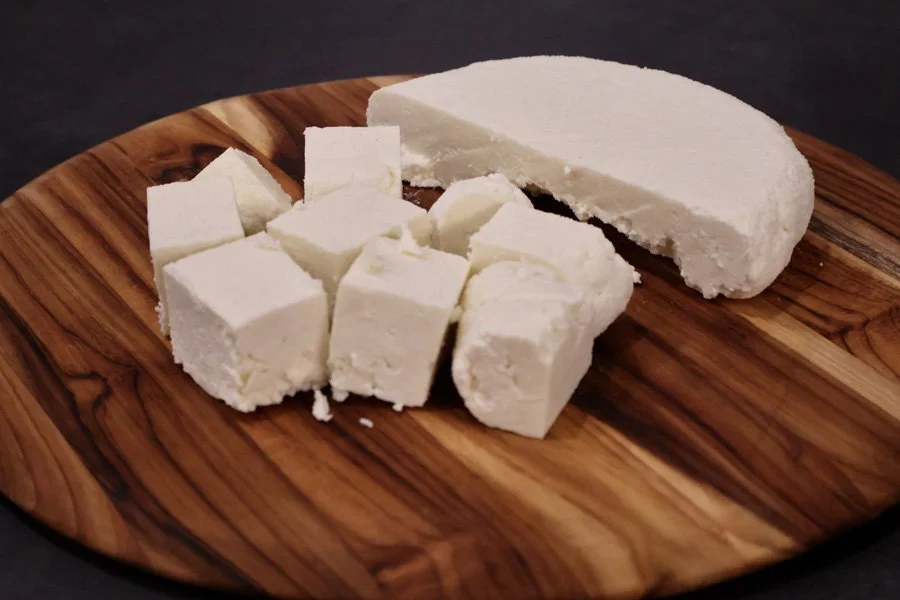
Carefully squeeze out any excess water and place the curds under a heavy object for 20 to 30 minutes to allow them to set properly. This straightforward process results in soft, spongy paneer that is reminiscent of commercially available options, all achieved with just 500ml of milk.

Long or Short, get news the way you like. No ads. No redirections. Download Newspin and Stay Alert, The CSR Journal Mobile app, for fast, crisp, clean updates!

App Store –  https://apps.apple.com/in/app/newspin/id6746449540 

Google Play Store – https://play.google.com/store/apps/details?id=com.inventifweb.newspin&pcampaignid=web_share

Latest News

Popular Videos
