


Why Houses in the Philippines Stand on Wooden Stilts to Survive Floods, Typhoons and Extreme Heat
The CSR Journal Magazine

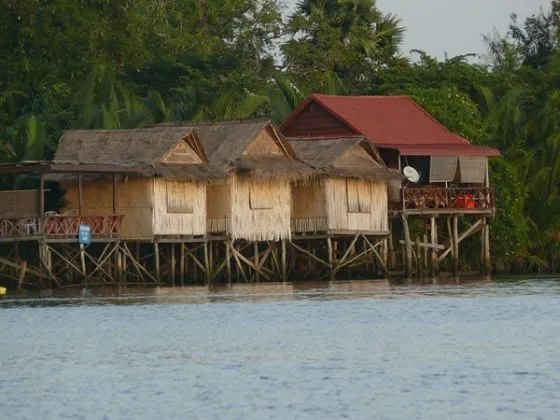
The construction of stilt houses in the Philippines is deeply rooted in the country’s history and cultural practices. Traditionally, these elevated structures were built by various indigenous communities in response to the local geography and climate. The prevalence of typhoons and monsoon seasons in the region necessitated architectural adaptations to safeguard homes from adverse weather conditions.

In addition to functionality, stilt houses hold cultural significance, often reflecting the lifestyles and traditions of the communities that inhabit them. The design allows families to engage in various activities, such as fishing or agriculture, while remaining safe from flooding. This synergy between environment and architecture exemplifies the resilience of the Filipino people in adapting to their surroundings.

Moreover, stilt houses address the issues of rising sea levels, which are increasingly becoming a concern for coastal communities. These structures not only provide immediate protection against floods but can also offer a long-term solution as climate challenges evolve.

Architectural Features and Benefits

The architectural design of stilt houses includes a raised platform that elevates the living space above potential floodwaters. This elevation is typically achieved using wooden stilts, which are sourced from local trees and are an integral part of the local building tradition. The construction facilitates air circulation beneath the house, reducing heat accumulation during the hotter months and contributing to overall comfort for inhabitants.

In many regions, these structures are constructed with materials that are readily available and can withstand harsh weather conditions. The use of bamboo, for example, is common due to its strength and flexibility, making it an ideal choice for stilt construction. The homes are often equipped with large windows and verandas, allowing residents to enjoy the views while enabling cross-ventilation.

Stilt houses are not only durable but also versatile. Families can modify these structures according to their needs, transforming areas beneath the house for storage or other domestic purposes. This adaptability allows for efficient use of space, which is particularly beneficial in densely populated coastal regions.

Current Challenges and Innovations

Local governments and organisations are starting to assist communities by providing resources and training to improve the structural integrity of stilt houses. This initiative aims to enhance disaster preparedness and resilience among families living in vulnerable coastal areas. Education on sustainable practices and environmental conservation has also become a focus, ensuring that future generations can continue to inhabit these unique dwellings.

Furthermore, the integration of technology into building practices is on the rise, with some communities adopting eco-friendly materials and designs that further bolster their resilience against extreme weather. These innovations reflect a growing awareness of climate issues while honouring the cultural heritage that stilt houses represent.

Long or Short, get news the way you like. No ads. No redirections. Download Newspin and Stay Alert, The CSR Journal Mobile app, for fast, crisp, clean updates!

App Store –  https://apps.apple.com/in/app/newspin/id6746449540 

Google Play Store – https://play.google.com/store/apps/details?id=com.inventifweb.newspin&pcampaignid=web_share

Latest News

Popular Videos
