


Why Doctors Warn Against Home Treatment For Flu This Season
The CSR Journal Magazine

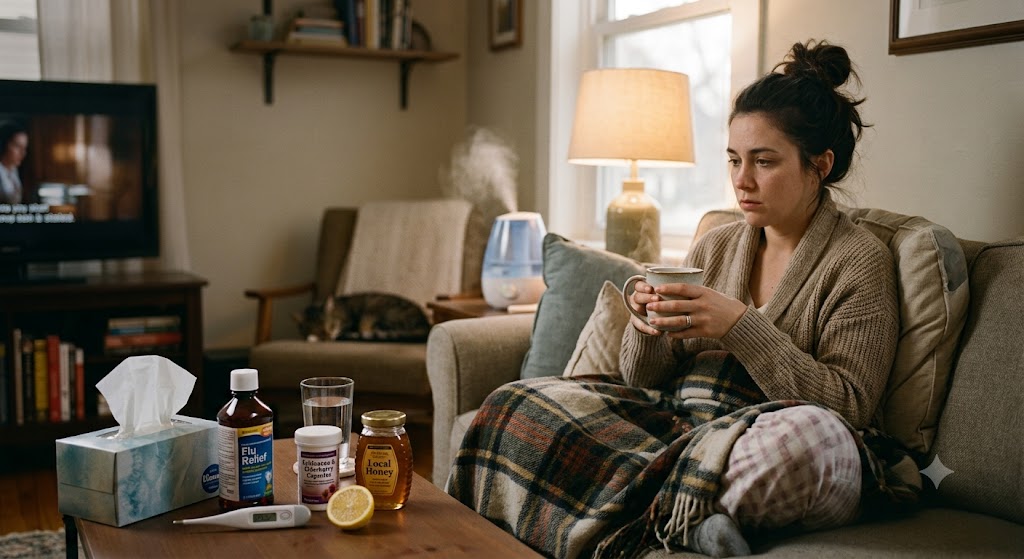
Doctors are advising the public not to overlook flu symptoms or solely depend on home remedies as the monsoon season approaches. Flu cases traditionally surge during these months, and while it often begins with mild symptoms resembling a common cold, it has the potential to escalate rapidly within families. Serious complications can arise, particularly among vulnerable groups such as young children, the elderly, pregnant women, and individuals with pre-existing health conditions.

Every year, households experience a familiar pattern: one member displaying symptoms like fever, cough, and body aches, followed by the illness spreading to others in a matter of days. This situation is not coincidental, as influenza is highly communicable, thriving in close living conditions where family members share spaces, meals, and daily items.

Dr Manisha Arora, Director of Internal Medicine at CK Birla Hospital in Delhi, emphasises that influenza should not be treated lightly. Early medical attention, proper isolation of sick individuals, vaccination, and maintaining good hygiene practices can greatly mitigate the risk of severe outcomes and help prevent further transmission of the virus within households.

Understanding Household Transmission of Influenza

The phenomenon of illness spreading through families is termed household transmission, a concept that gained greater awareness during the COVID-19 pandemic. If one person contracts influenza, the virus can readily spread to others via respiratory droplets from actions such as coughing, sneezing, or talking. The risk increases due to families spending significant time together in shared spaces such as bedrooms, bathrooms, and kitchens.

The typical incubation period for influenza ranges from one to four days, which means that individuals can be contagious even before they exhibit visible symptoms. Additionally, the virus can persist on frequently touched surfaces, including doorknobs, mobile devices, remote controls, light switches, and kitchen counters. Individuals may unwittingly transfer the virus to themselves by touching these contaminated surfaces and subsequently touching their faces.

Particular groups are considered at heightened risk for severe illness, including older adults, young children, pregnant women, and individuals with weakened immune systems or chronic diseases such as diabetes, asthma, heart, or kidney disorders.

Importance of Seeking Medical Advice

Many people mistakenly view influenza as a mild viral infection that will resolve without intervention. While mild cases may resolve with adequate rest, neglecting medical consultation can be dangerous, especially if symptoms intensify or involve high-risk individuals. Persistent high fever, breathing difficulties, chest pain, confusion, dehydration, or symptoms that deteriorate after seeming improvement warrant immediate medical attention to avert complications.

To curb the spread of influenza, healthcare professionals advocate for a combination of annual vaccination and daily preventive measures. Annual flu vaccinations prior to the monsoon season are considered essential for preventing severe illness, particularly among vulnerable populations such as the elderly, pregnant women, children, healthcare workers, and those with chronic conditions.

Practising frequent handwashing with soap and water remains one of the most effective strategies in limiting the virus’s spread. Alcohol-based hand sanitiser is a suitable alternative when soap and water are unavailable. Furthermore, if someone in the household exhibits flu symptoms, wearing a mask indoors can curb the transmission of respiratory droplets. Additional precautions include avoiding the sharing of personal items, ensuring good ventilation by opening windows, and regularly disinfecting surfaces that are frequently touched.

The Role of a Healthy Immune System

A robust immune system cannot entirely prevent influenza but may facilitate a quicker recovery. Healthcare professionals recommend a balanced diet, adequate hydration, sufficient sleep, regular exercise, and intake of vital nutrients like vitamin C and zinc to support overall health. Infected family members should remain at home and isolate for at least three to five days to minimise the risk of spreading the virus.

Influenza is highly contagious, and one infected family member can swiftly transmit the virus to others if precautions are not practised. Instead of relying solely on home treatments, seeking professional medical advice at the onset of flu symptoms is essential, especially for those within high-risk categories. Implementing strategies such as vaccination, proper hygiene, and isolation can significantly safeguard family health during flu season.

Long or Short, get news the way you like. No ads. No redirections. Download Newspin and Stay Alert, The CSR Journal Mobile app, for fast, crisp, clean updates!

App Store –  https://apps.apple.com/in/app/newspin/id6746449540 

Google Play Store – https://play.google.com/store/apps/details?id=com.inventifweb.newspin&pcampaignid=web_share

Latest News

Popular Videos
