


“How did Paper Leak Happen Just Two Years Later?” Congress MP Gaurav Gogoi
The CSR Journal Magazine

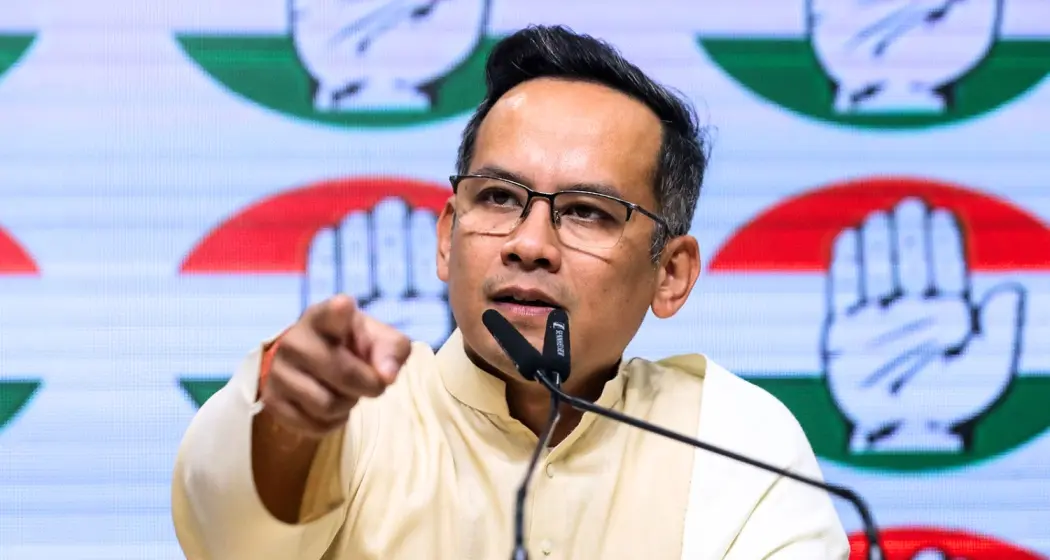
Congress Member of Parliament Gaurav Gogoi has raised concerns regarding the handling of the 2024 National Eligibility cum Entrance Test (Undergraduate) (NEET-UG) paper leak. He pointed out that 44 of the 45 individuals charged in connection with the case have been granted bail. This situation has led him to question the Indian government’s approach to tackling corruption in public examinations.

During a discussion in the Lok Sabha, Gogoi highlighted the timeline of events, stating that despite the introduction of the Public Examinations (Prevention of Unfair Means) Act in 2024, another incident of paper leakage occurred in 2026. He expressed disappointment over the current state of investigation into the previous leak, suggesting that the Government’s commitment to addressing such issues is lacking.

Gogoi commented, “It is essential that the country understands the seriousness of the government’s response to the major corruption that transpired during the NEET examination two years ago.” He noted that reports indicate that those involved in the case have not faced adequate legal consequences.

Criticism of Former Education Minister’s Remarks

In his address, Gogoi also took aim at former Education Minister Dharmendra Pradhan for his earlier statements, in which he allegedly denied any wrongdoing in the NEET-UG 2024 paper leak. Gogoi accused Pradhan of downplaying the severity of the issue by stating that “there has been no paper leak.”

According to Gogoi, the repeated instances of paper leak raise questions about the effectiveness of the laws designed to prevent such occurrences. He stated, “How could a substantial paper leak take place two years later if the legislation was robust enough?” He emphasised that the absence of convictions for the accused showcases the government’s ineffectiveness in enforcing the law.

The criticisms were part of a broader discussion concerning a new amendment aimed at strengthening existing laws to prevent unfair practices in examinations. The proposed changes include measures to expedite investigations and trials, as well as harsher penalties for offenders.

Details of the Proposed Amendment Bill

The 2026 amendment to the Public Examinations (Prevention of Unfair Means) Act seeks to enhance several provisions to deter malpractice in public exams effectively. Key changes include increasing the minimum term of imprisonment for those found guilty from three years to a minimum of five years, extendable up to ten years. Additionally, the maximum fine has been proposed to be raised from Rs 10 lakh to Rs 50 lakh.

Parliamentary Affairs Minister Kiren Rijiju indicated that the government is prepared to accommodate longer discussions on the amendment bill, stating that an extra two hours can be allocated if necessary to delve into the matter. Rijiju noted that he had coordinated with leaders from various political parties, including Congress, the Samajwadi Party, and others, who were receptive to extending the scheduled discussion time.

This proposed amendment has sparked debates among political factions as they weigh the effectiveness of current measures against future malpractices. Union Minister of State Jitendra Singh commenced the debate on the bill, highlighting its significance as a proactive step taken by the current administration to safeguard the future of students in India.

Long or Short, get news the way you like. No ads. No redirections. Download Newspin and Stay Alert, The CSR Journal Mobile app, for fast, crisp, clean updates!

App Store –  https://apps.apple.com/in/app/newspin/id6746449540 

Google Play Store – https://play.google.com/store/apps/details?id=com.inventifweb.newspin&pcampaignid=web_share

Latest News

Popular Videos
