


Ankit Sharma Died With 51 Injuries, Death Penalty Sought For Tahir Hussain In 2020 Delhi Riots Case

The CSR Journal Magazine

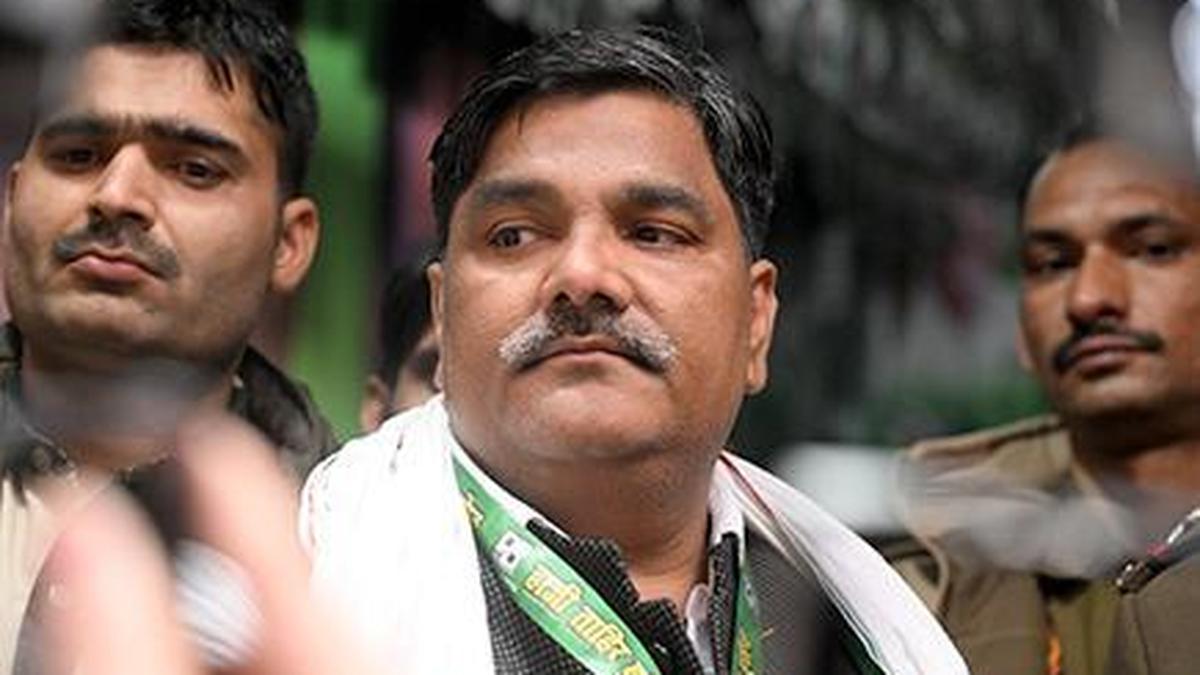
Ankit Sharma’s death during the 2020 Delhi riots has led to calls for the death penalty for Tahir Hussain, a former councillor. Reports indicate that Sharma suffered from 51 distinct injuries, suggesting a violent end. The incident has been central to ongoing discussions regarding accountability in the aftermath of the riots.

The Delhi riots, which erupted in late February 2020, resulted in significant communal violence, leading to numerous deaths and injuries. The chaos unfolded in areas including North East Delhi, where tension reportedly escalated between pro-CAA and anti-CAA demonstrators. Sharma was killed amid this turmoil, with his case drawing substantial public attention.

Hussain, a prominent political figure, was alleged to have played a significant role in the events leading to Sharma’s death. As the investigation progressed, various eyewitness accounts surfaced, implicating Hussain in orchestrating violence in the area where many individuals lost their lives.

Legal Proceedings and Charges

The legal proceedings surrounding Ankit Sharma’s death have sparked considerable debate. Charges against Tahir Hussain include murder, amongst other serious offences, which could warrant capital punishment. The prosecution has laid emphasis on the brutality involved in the case, citing the number of injuries inflicted on Sharma as a critical factor supporting the demand for the death penalty.

During court proceedings, evidence was presented to indicate that Sharma was attacked brutally in a highly charged environment. Eyewitnesses described the chaos that unfolded, corroborating the prosecution’s claim of a premeditated assault. This aspect of the case raises questions about the political dynamics at play and the responsibilities of leaders during times of communal strife.

The judge’s decision on the severity of the punishment has been keenly anticipated, with many advocating for justice to be served firmly in light of the violent nature of the crime. The case has become emblematic of the larger issue of mob violence in India, further complicating its legal and social ramifications.

Public Impact and Reactions

The public response to the case of Ankit Sharma has been intense and multifaceted. Many have expressed outrage over the conditions leading to his death and the alleged complicity of prominent political figures. Social media platforms have been abuzz with calls for justice, reflecting a broader societal unrest regarding communal violence and political accountability.

Various civil rights organisations have rallied behind the demand for stringent punishment for those responsible for Sharma’s death. They argue that failing to impose severe penalties could foster an environment of impunity where politically influential individuals might evade responsibility for their actions during communal riots.

The case also casts a spotlight on the need for comprehensive reforms in handling communal violence in India. It highlights concerns regarding the safety of citizens during politically charged atmospheres and the effectiveness of law enforcement in preventing such occurrences. The outcomes of these proceedings could set precedents for future cases of riots and political violence.

Long or Short, get news the way you like. No ads. No redirections. Download Newspin and Stay Alert, The CSR Journal Mobile app, for fast, crisp, clean updates!

App Store –  https://apps.apple.com/in/app/newspin/id6746449540 

Google Play Store – https://play.google.com/store/apps/details?id=com.inventifweb.newspin&pcampaignid=web_share

Latest News

Popular Videos