


White House Appoints Nick Stewart As Adviser For Iran Peace Talks
The CSR Journal Magazine

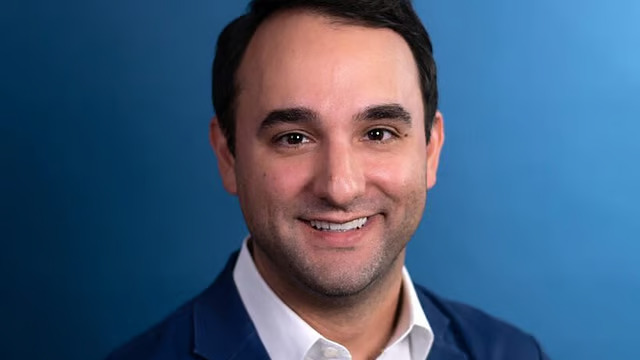
The White House has announced the appointment of Nick Stewart as an adviser to its diplomatic team responsible for negotiating peace with Iran. This decision has been reported by CBS News. In a statement, White House spokeswoman Olivia Wales praised Stewart as a “sharp, seasoned policy expert” and noted that his experience would significantly contribute to the efforts led by Special Envoy Steve Witkoff.

Stewart’s extensive experience in Iranian matters includes previous positions at the State Department during the Trump administration, as well as roles on Capitol Hill. His recruitment into the negotiation team was reportedly facilitated by Jared Kushner, according to US officials.

Stewart most recently worked within the lobbying division of the Foundation for Defense of Democracies, an organisation that promotes a more assertive military stance toward Iran. This recent shift in diplomatic personnel occurs against the backdrop of ongoing tensions between the US and Iran.

Iran’s Counter-Proposal to US Peace Initiative

The diplomatic landscape has further evolved as Iran submitted a counter-proposal to a US-backed nine-point peace initiative. According to the Tasnim News Agency, this 14-point plan outlines Tehran’s specific conditions for resolving hostilities. The proposal was reportedly facilitated through mediators from Pakistan and signifies a strategic move by Iran to seek a lasting resolution rather than temporary measures.

While the US government had originally proposed a two-month truce, Iranian officials have dismissed the idea of a prolonged ceasefire, insisting that all main disputes be resolved within a 30-day period. This insistence highlights Iran’s determination to achieve a comprehensive settlement as part of the negotiations.

US President Donald Trump expressed his skepticism regarding Iran’s intentions. In a post on Truth Social, he indicated that while he would review the proposal, he finds it hard to imagine that it could be acceptable. He also acknowledged that Iran “has not yet paid a big enough price” for its past actions.

Responses and Strategic Implications

The Iranian framework, as detailed by Tasnim, aims to address various regional tensions, including those involving Lebanon. It requires strict security guarantees to prevent future military actions against Iran, along with calls for the withdrawal of US military presence from surrounding areas.

Tehran is also demanding the lifting of all US and international sanctions, the cessation of naval blockades, and compensation for losses incurred due to military actions. A specific plan regarding the management of the Strait of Hormuz has been included in the proposal to ensure stability in global oil transportation.

Iranian Deputy Foreign Minister Kazem Gharibabadi emphasised that the aim is to “permanently end the imposed war,” asserting that the US now has a choice between engaging in diplomacy or escalating confrontations. Despite acknowledging the desire to make a deal, Trump expressed concerns about the Iranian government, which he referred to as “very disjointed.” He hinted at potential military actions if negotiations do not progress positively.

As the situation develops, Iran awaits a formal diplomatic response from the US while facing the economic impacts of the ongoing conflict. Recently, a Very Large Crude Carrier allegedly breached US naval restrictions, successfully transporting significant quantities of crude oil towards the Asia-Pacific. Such incidents further complicate the current geopolitical climate.

Long or Short, get news the way you like. No ads. No redirections. Download Newspin and Stay Alert, The CSR Journal Mobile app, for fast, crisp, clean updates!

App Store –  https://apps.apple.com/in/app/newspin/id6746449540 

Google Play Store – https://play.google.com/store/apps/details?id=com.inventifweb.newspin&pcampaignid=web_share

Latest News

Popular Videos
