


Warming Seas Are Bringing Octopus, Red Mullet and Bream Into UK Waters
The CSR Journal Magazine

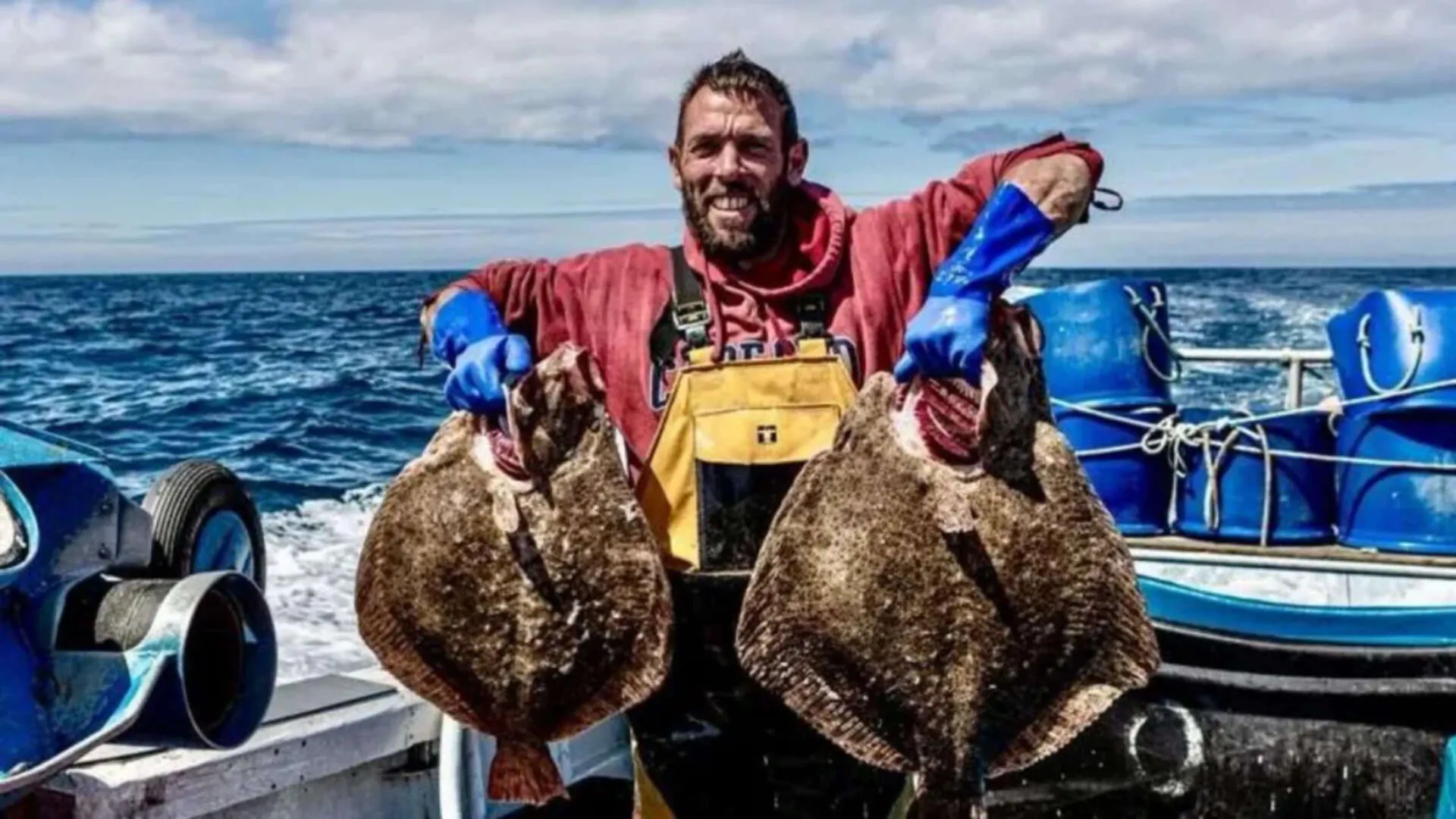
Warming sea temperatures are significantly affecting marine life in UK waters. Researchers have noted a marked increase in the presence of species such as octopus, red mullet, and bream, which have migrated northward as ocean temperatures rise. This phenomenon has been attributed to climate change, which is altering habitats and food availability for marine species.

The warming of seas has led to changes in the distribution of these species, presenting both challenges and opportunities for local fisheries. Fishermen are reportedly noticing a shift in catch composition, with traditionally abundant species giving way to newcomers. This shift raises questions about the sustainability of existing fishing practices and the adaptability of local ecosystems.

Furthermore, the expansion of these marine species is not uniform. While some areas are experiencing an influx, others may see declines in species that are unable to thrive in warmer conditions. Such dynamics necessitate ongoing research and monitoring to assess the long-term impacts on marine biodiversity in the region.

Fisheries and Economic Implications

The influx of species such as octopus, red mullet, and bream presents new economic opportunities for UK fisheries. These fish are reportedly sought after in various markets, leading to potential growth in revenue for fishermen who adapt their practices to include these new catches. As a result, some fishing communities are exploring ways to diversify their operations to capitalise on the changing marine landscape.

However, the economic benefits must be weighed against long-term sustainability concerns. Local fisheries face the challenge of adapting quickly to ensure that new practices do not overfish the newcomers or negatively impact existing species. Collaboration between scientists, fishermen, and policymakers is crucial to create guidelines that promote responsible fishing while addressing the market demand for these species.

As the fishing industry evolves, there is an increasing emphasis on sustainable practices that support both economic growth and environmental conservation. Education and awareness initiatives are pivotal in helping fishermen understand the ecological implications of their choices and the importance of maintaining a balance in the marine ecosystem.

Ecological Changes and Future Research

The arrival of new fish species in UK waters highlights the need for comprehensive ecological research. Scientists are conducting studies to understand the impact of changing sea temperatures on existing ecosystems, food webs, and biodiversity. These studies aim to track how shifting species dynamics affect predator-prey relationships and the overall health of marine habitats.

Additionally, researchers are investigating how these changes might influence the behaviour and population dynamics of both native and newly arrived species. The knowledge gained from such research will help inform management strategies and conservation efforts, ensuring that the fishing industry remains viable in an uncertain climate future.

Collaboration among stakeholders, including academic institutions, governmental bodies, and local communities, is essential for addressing the complexities posed by warming seas. As the environment continues to change, proactive measures and thorough understanding will be necessary to adapt to these challenges effectively.

Long or Short, get news the way you like. No ads. No redirections. Download Newspin and Stay Alert, The CSR Journal Mobile app, for fast, crisp, clean updates!

App Store –  https://apps.apple.com/in/app/newspin/id6746449540 

Google Play Store – https://play.google.com/store/apps/details?id=com.inventifweb.newspin&pcampaignid=web_share

Latest News

Popular Videos
