


‘Vishwaguru’ Redefined: Gitanjali Angmo Commends Youth Protests Following Education Minister’s Resignation

The CSR Journal Magazine

Dharmendra Pradhan, the Indian Minister for Education, resigned on July 25, 2026, following prolonged protests concerning exam paper leaks. The demonstrations, which lasted over a month, were primarily organised by students at Jantar Mantar, expressing their discontent with the handling of the educational system.

The resignation marks a significant moment in India’s political landscape, particularly regarding educational governance. The protests, which drew large crowds, focused on transparency and accountability in the examination process. The students called for reforms to address their concerns.

Pradhan’s exit has reignited discussions about the responsibilities of government leaders in addressing public grievances, especially in sectors as critical as education. His departure reflects the mounting pressure faced by officials to respond effectively to citizen protests.

Gitanjali Angmo Highlights Youth Contributions

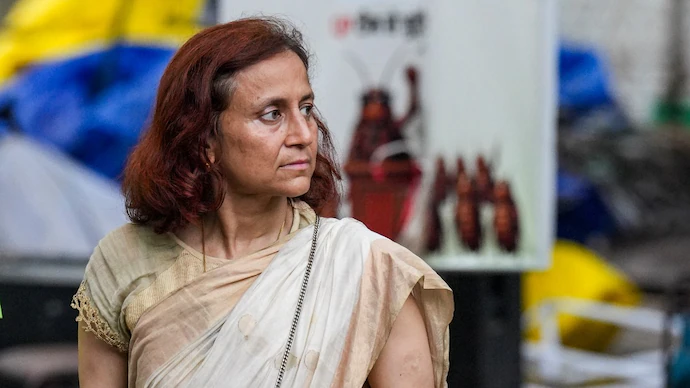
In the aftermath of Pradhan’s resignation, Gitanjali Angmo, the wife of activist Sonam Wangchuk, publicly commended the youth’s efforts. In a post on the platform X, Angmo stated that the students had exemplified the true essence of being a ‘Vishwaguru,’ a term often used to describe India as a teacher to the world. She viewed their actions as an opportunity to redefine what such a status entails.

Angmo noted that the students had demonstrated “courage without hatred, strength without violence, and patriotism without unquestioning obedience.” Her comments underscored the belief that the younger generation is embracing ideals more reflective of India’s cultural heritage, with actions rather than mere words.

Her statement appeared to criticise the current government led by Prime Minister Narendra Modi, as critics frequently invoke the term ‘Vishwaguru’ in a sarcastic manner regarding the administration’s performance. Angmo’s remarks emphasise a contrast between government actions and youth activism, reinforcing the message that India’s youth can embody the values of a true influencer on a global scale.

Youth as Catalysts for Change

Angmo’s praise of Gen Z aligns with a growing recognition of youth movements in India as catalysts for societal change. The ongoing protests have not only brought attention to the educational sector but have also highlighted the empowerment of young individuals in political discourse. Their ability to mobilise and articulate demands signals a shift in the dynamics of youth involvement in governance.

Students have been leveraging social media effectively to disseminate information, organise events, and rally support for their cause. The protests have drawn participation from various segments of society, asserting a collective demand for reform and integrity within the education system.

As the protests continue, it remains to be seen how the government will respond to the calls for reform and whether these demands will lead to significant policy changes. The engagement of young people in public issues underscores their vital role in shaping India’s future, which could redefine the relationship between citizens and their government.

Long or Short, get news the way you like. No ads. No redirections. Download Newspin and Stay Alert, The CSR Journal Mobile app, for fast, crisp, clean updates!

App Store –  https://apps.apple.com/in/app/newspin/id6746449540 

Google Play Store – https://play.google.com/store/apps/details?id=com.inventifweb.newspin&pcampaignid=web_share

Latest News

Popular Videos