


Vikram Sarabhai: The Visionary Who Built India’s Space Program for Social Good
The CSR Journal Magazine

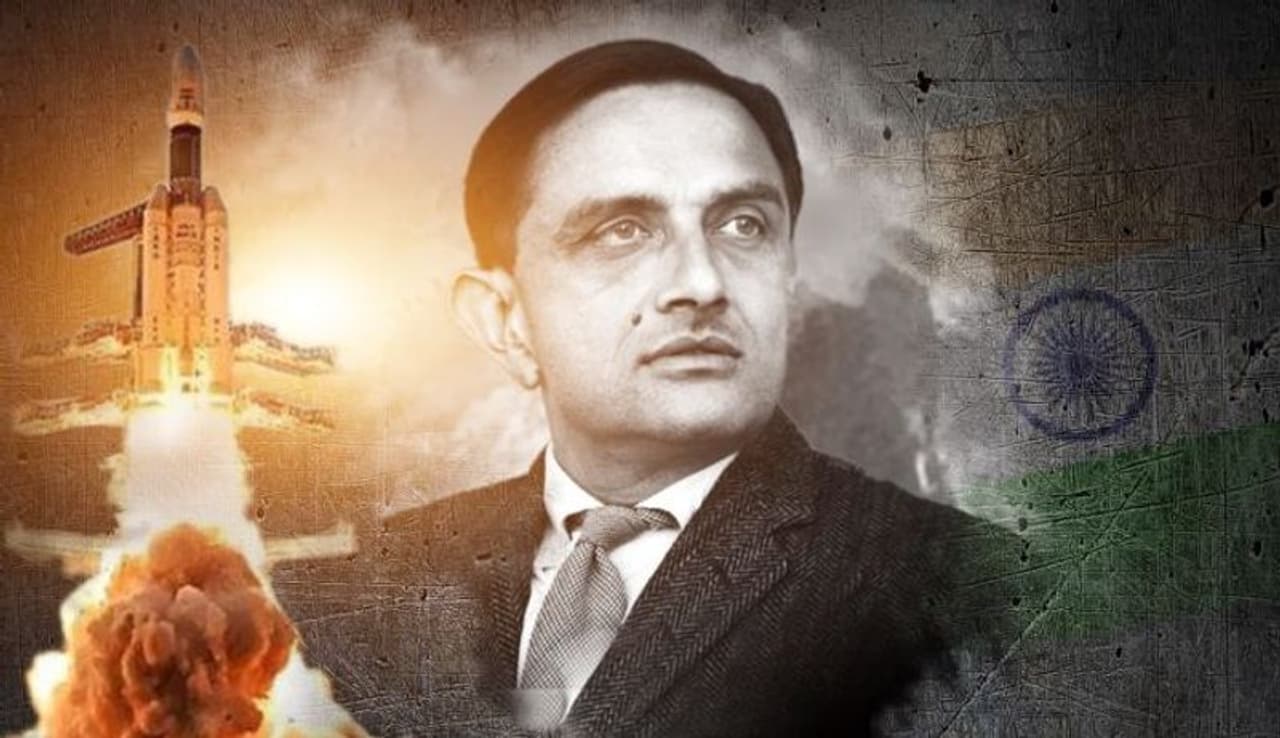
Vikram Sarabhai, born on 12 August 1919 in Ahmedabad, faced complex challenges during the formative years of independent India. While his country dealt with issues such as poverty, food security, and inadequate infrastructure, Sarabhai questioned the relevance of a space programme in such a context. He recognised the scepticism surrounding the allocation of resources to space exploration when basic needs were unmet.

In addressing these concerns, Sarabhai became a vocal advocate for utilising space technology as a tool for socio-economic development. He articulated a vision where space was not merely a luxury, but a vital resource for overcoming the pressing issues faced by the nation.

Foundations of India’s Space Programme

Vikram Sarabhai’s philosophy shaped the trajectory of India’s space programme. He argued against the notion of competing in the space race against economically advanced nations. Instead, his focus remained on utilising technology to solve real-world problems. This ideology became integral to the strategic vision of India’s space activities.

In 1962, Sarabhai initiated the Indian National Committee for Space Research (INCOSPAR), which set the groundwork for what would later evolve into the Indian Space Research Organisation (ISRO) in 1969. His ambitions included not only satellite communications but also advancements in education, meteorology, and natural resource management.

Significantly, his cooperation with international agencies, particularly NASA, led to innovative projects such as the Satellite Instructional Television Experiment (SITE). This initiative harnessed satellite technology to facilitate educational programming, aiming to uplift rural communities in India.

Legacy and Achievement

Vikram Sarabhai passed away in 1971 at the age of 52, long before India achieved milestones such as launching its first satellite or reaching the Moon. Nevertheless, the institution he fostered, ISRO, continued to innovate and expand. As of 2026, India’s space programme encompasses diverse sectors, including navigation, meteorology, and planetary exploration.

India’s presence on the global stage has also been reinforced by NASA’s recent invitation for collaboration on lunar base programmes. This partnership aims to ensure a sustained human presence on the Moon and extend efforts towards missions to Mars.

Moreover, the successful launch of the Vikram-1 rocket by a private enterprise highlights the ongoing relevance of Sarabhai’s vision. This achievement enriches his legacy, demonstrating that the foundation he established continues to propel India towards its space aspirations.

Ultimately, Vikram Sarabhai’s greatest contribution lies not just in his pioneering ideas, but in his ability to conceptualise a vibrant future for India’s space endeavours at a time when such a future was uncertain. His foresight laid the groundwork for the accomplishments that have followed, making him a pivotal figure in the country’s journey into space.

Long or Short, get news the way you like. No ads. No redirections. Download Newspin and Stay Alert, The CSR Journal Mobile app, for fast, crisp, clean updates!

App Store –  https://apps.apple.com/in/app/newspin/id6746449540 

Google Play Store – https://play.google.com/store/apps/details?id=com.inventifweb.newspin&pcampaignid=web_share

Latest News

Popular Videos
