


US Lawmakers Introduce Biotech Security Bill to Curb Investments in Chinese Biotech Firms
The CSR Journal Magazine

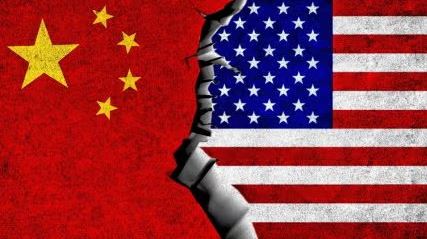
US lawmakers have introduced a new bill aimed at regulating American investments in the Chinese biotechnology sector. The legislation, titled the Biotech Investment National Security Act (BINSA), was announced on June 3, 2023, by John Moolenaar, Chairman of the House Select Committee on China, alongside Congresswoman Debbie Dingell. The bill seeks to enhance scrutiny over outbound investments perceived as critical to national security.

If passed, the proposed act will expand existing frameworks for assessing investments in biotechnology, which includes pharmaceutical development, biologics manufacturing, and clinical research. The new measures are intended to be added to the standards established by the Comprehensive Outbound Investment National Security (COINS) Act, ensuring that American financial involvement in these areas undergoes thorough examination.

The initiative comes amid increasing apprehension in the United States regarding the effects of capital, technology, and expertise flowing to China. Lawmakers argue that these contributions could bolster China’s capabilities in biotechnology, thereby presenting long-term challenges to US economic and national security.

Concerns Raised by Lawmakers

John Moolenaar has voiced his concerns regarding partnerships between American pharmaceutical companies and their Chinese counterparts. He has highlighted collaborations involving larger firms such as Pfizer and Bristol, which he argues may inadvertently enhance China’s standing in this strategically vital industry. Moolenaar claimed that such investments risk compromising the future of domestic pharmaceutical production.

He emphasised that unregulated investments could empower China in critical supply chains, thus undermining the competitiveness of US research capabilities and industrial vitality. The concerns expressed aim to underline the potential dangers that unchecked financial ties may pose to American economic stability.

Additionally, Debbie Dingell reiterated the strategic importance of biotechnology. She noted that the sector’s developments will significantly influence various fields, including medicine, agriculture, and national security. Dingell argued that reliance on China for crucial pharmaceutical ingredients and medical supplies presents a considerable risk for the United States.

Implications for Healthcare and National Security

Dingell has conveyed that strengthening America’s biotechnology and pharmaceutical sectors is imperative for protecting both public health and national security. She underscored that ensuring domestic production capabilities can safeguard American jobs while aiding in the development of medical advancements essential for citizen welfare.

The bill, if enacted, would be a significant step towards curtailing potential risks associated with foreign investments in a sector that is becoming increasingly crucial on a global scale. Lawmakers believe that enhancing oversight will not only protect national interests but also ensure that innovations in healthcare remain under American control.

Both lawmakers remain optimistic about the passage of BINSA and emphasised the importance of prompt action. The growing dependence on foreign biotechnology resources, especially from China, is seen as a challenge that demands immediate legislative attention to uphold the integrity of US biomedical capabilities.

Long or Short, get news the way you like. No ads. No redirections. Download Newspin and Stay Alert, The CSR Journal Mobile app, for fast, crisp, clean updates!

App Store –  https://apps.apple.com/in/app/newspin/id6746449540 

Google Play Store – https://play.google.com/store/apps/details?id=com.inventifweb.newspin&pcampaignid=web_share

Latest News

Popular Videos
