


United States–Iran Tensions Spike in Strait of Hormuz, Oil Shipping Disrupted as Crisis Deepens
The CSR Journal Magazine

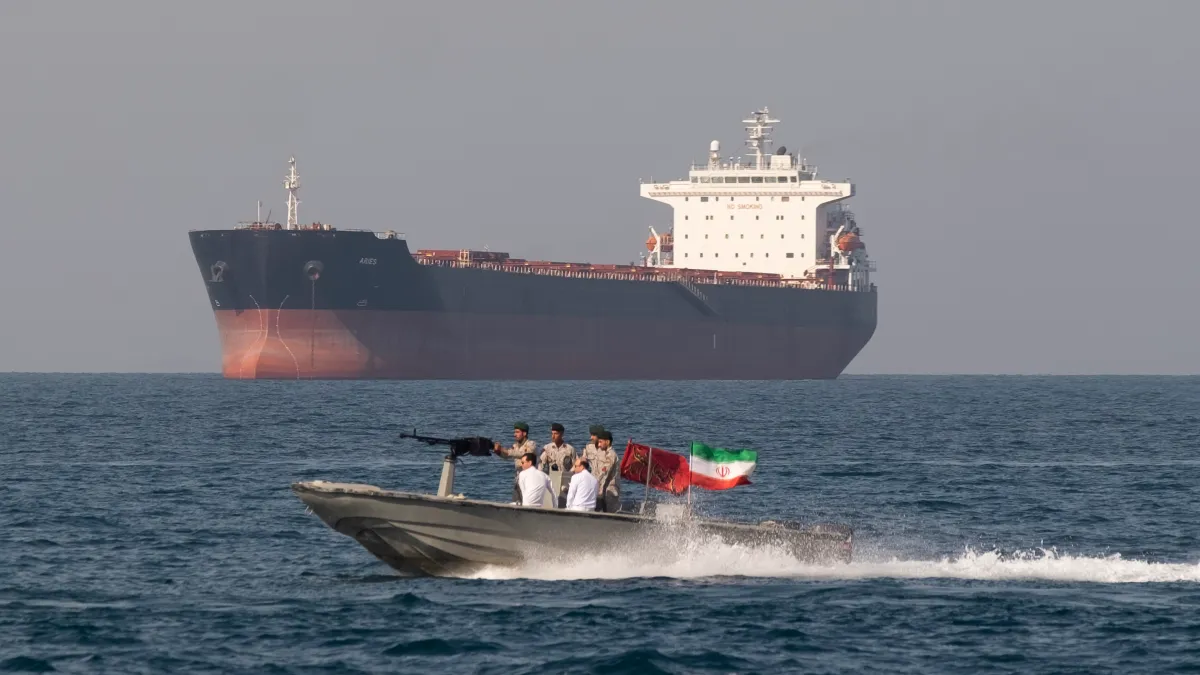
The ongoing military conflict in West Asia has shifted towards maritime confrontations, particularly in the Strait of Hormuz, a pivotal region through which nearly 20 per cent of the global oil supply passes. The United States and Iran have engaged in a series of actions targeting merchant vessels as both nations assert their dominance over this strategic waterway. Following the US announcement of a naval blockade, Iran intensified its operations, restricting maritime passage amidst the ongoing hostilities.

On April 22, Iranian forces reportedly opened fire on three ships in the strait, resulting in the seizure of two vessels, MSC Francesca and Epaminondas. A third vessel, Euphoria, was reportedly struck by gunfire and forced to alter its route. One of the detained ships was allegedly en route to India when it was intercepted.

Iranian authorities have claimed that these seizures were justified on the grounds that the vessels allegedly disabled their tracking systems and attempted clandestine passage, a rationale that has frequently been used in similar incidents.

US Countermeasures and Expanded Naval Operations

In response to the heightened Iranian activity, the US has recently escalated its maritime strategy. On the same day as the attacks, American forces intercepted at least three Iranian oil tankers and diverted them as part of an overarching strategy to curtail Iranian oil exports. The US Navy has notably expanded its operational presence in key shipping routes, particularly near India, Malaysia, and Sri Lanka.

Recent reports indicate that US forces have also captured an Iranian cargo vessel and an oil tanker, while redirecting multiple other Iranian-flagged tankers. Among these was a supertanker, identified as Deep Sea, which was partially loaded with crude and had last been monitored off the coast of Malaysia. Another significant interception involved the supertanker Dorena, which was reportedly carrying around 2 million barrels of Iranian crude oil when intercepted south of India.

Shipping sources have further suggested that the Iranian-flagged tanker Derya may have been stopped after it failed to offload its cargo in India prior to the expiration of a US waiver allowing Iranian crude imports.

Ongoing Maritime Disruptions and Strategic Responses

According to the most recent updates from US Central Command, American naval forces have instructed at least 29 vessels to return to port or turn back since the blockade on ships entering or exiting Iranian ports was enforced. This significant figure illustrates the intensity of operations aimed at controlling maritime movement in the region.

Incidents preceding these measures occurred on April 18 and 19, when Iranian gunboats reportedly engaged multiple tankers, including those associated with India, compelling several to abandon their transit plans mid-route. Though initial negotiations between US and Iranian leaders had suggested that the strait would remain open, the situation rapidly deteriorated as Iranian forces effectively restricted passage shortly thereafter.

Since the onset of the conflict on February 28, over 30 maritime attacks have been recorded in the region, signalling an escalation in hostilities. The strategic imperatives of both the US and Iran are becoming increasingly apparent. The US aims to weaken Iran economically by obstructing its oil exports, while Iran seems to be strengthening its resolve by making it perilous for others to navigate the strait.

Long or Short, get news the way you like. No ads. No redirections. Download Newspin and Stay Alert, The CSR Journal Mobile app, for fast, crisp, clean updates!

App Store –  https://apps.apple.com/in/app/newspin/id6746449540 

Google Play Store – https://play.google.com/store/apps/details?id=com.inventifweb.newspin&pcampaignid=web_share

Latest News

Popular Videos
