


Underwater Discovery Reveals Ancient Man-Made Island in Scotland
The CSR Journal Magazine

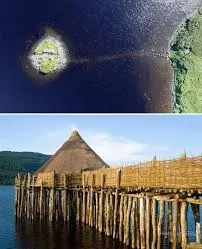
The recent discovery of a five-thousand-year-old man-made island submerged beneath the waters of Scotland has prompted excitement among archaeologists and historians. This finding may suggest that the site predates the renowned Stonehenge, enhancing understanding of early human settlement and construction practices in Europe. The location, previously uncharted, is now at the centre of investigation aimed at uncovering the intricacies of prehistoric life in the region.

Details of the Findings

The underwater island was uncovered during a routine survey conducted by marine archaeologists. Using advanced sonar technology, researchers identified geometric features that appeared to be artificial structures. Initial assessments suggest that these formations could be the remnants of a significant settlement from the Neolithic period. Researchers have noted the remarkable preservation of the site due to the protective marine environment, which has kept it largely intact for millennia.

Further examination of the site revealed artefacts typically associated with that era, including pottery fragments and flint tools. These materials provide critical insight into the daily lives and activities of the people who inhabited the region thousands of years ago. The artefacts also signify the sophisticated craftsmanship present among prehistoric communities, indicating that they had developed complex skills for both survival and expression.

A team of archaeologists from various institutions is now collaborating to conduct an extensive study of the underwater island. They aim to use a combination of diving expeditions and underwater drones to map the site in detail. This comprehensive approach is expected to yield valuable data that could reshape existing narratives about the lifestyle and societal structures of Neolithic populations across Scotland.

Historical Context

Historically, the existence of man-made islands aligns with other similar structures found throughout Europe, particularly in the British Isles. Such sites often indicate a communal effort in creating habitable spaces, showcasing the ingenuity of early humans. The construction of these islands likely required substantial cooperation and resource management, reflecting the social dynamics of the communities at that time.

Stonehenge, which is approximately 4,500 years old, has long been a focal point for discussions surrounding prehistoric life and construction techniques. If this newly discovered island is indeed older, it may lead to a reassessment of the timeline of human activity in the area, suggesting that advanced societal traits emerged much earlier than previously thought. Such a revelation could have significant implications for the understanding of migration patterns, trade, and cultural exchange during the Neolithic period.

The underwater site has become a subject of interest for both the academic community and the general public. As further explorations unfold, researchers are prepared for the potential discovery of additional sites in the vicinity. The current project not only aims to decode the historical significance of this island but also to engage the public in discussions about heritage and preservation of ancient cultures.

The Future of Archaeological Research

As the investigation progresses, there is a growing recognition of the importance of marine archaeology. The submerged landscapes offer unique insights that terrestrial archaeology cannot provide. In the years ahead, this discovery may pave the way for more underwater explorations, prompting an expansion of archaeological methodologies and technologies to study submerged sites effectively.

Future studies will also assess the environmental conditions that led to the preservation of the island’s structures and artefacts. Understanding these factors is crucial for developing strategies to protect against ongoing climate change and rising sea levels, which pose significant threats to both discovered and yet-to-be-discovered archaeological sites globally.

Ultimately, this recent finding not only enriches the narrative of Scotland’s history but also highlights the potential for future discoveries that could further illuminate the lives of those who lived in prehistoric times.

Long or Short, get news the way you like. No ads. No redirections. Download Newspin and Stay Alert, The CSR Journal Mobile app, for fast, crisp, clean updates!

App Store –  https://apps.apple.com/in/app/newspin/id6746449540 

Google Play Store – https://play.google.com/store/apps/details?id=com.inventifweb.newspin&pcampaignid=web_share

Latest News

Popular Videos
