


Unauthorised US Biolabs Found with Infectious Pathogen Vials, China Link Sparks Alarm
The CSR Journal Magazine

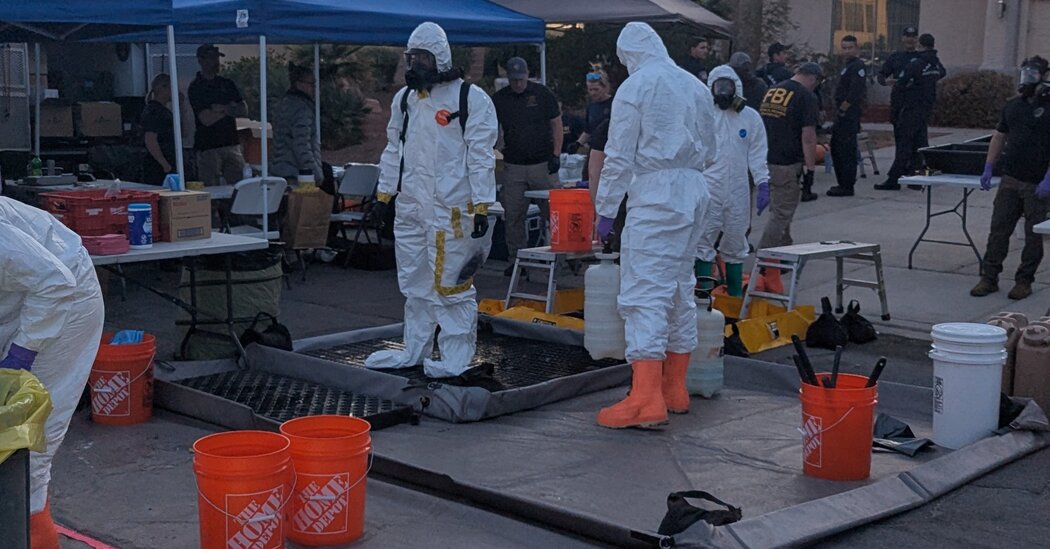
Recent investigations have unveiled unauthorised biological laboratories across the United States that were found to contain numerous vials labeled with hazardous pathogens, including HIV, Covid-19, and Ebola. These facilities are reportedly associated with Chinese entities, prompting heightened scrutiny from US officials and health regulators. The discovery has led to serious questions regarding biolaboratory oversight and biosecurity standards within the nation.

Federal and Local Response to Findings

Following the discovery of these vials, federal authorities, including the Centers for Disease Control and Prevention (CDC), have initiated an extensive review process. This involves assessing the safety protocols in these labs and their compliance with regulatory frameworks. Local officials have also been alerted to the situation, recognizing the potential health risks posed by the pathogens stored in these unauthorised facilities. Stakeholders from various sectors are urging a more rigorous evaluation of foreign-linked laboratories operating within the US.

Potential Risks Associated with Pathogens

The presence of pathogens such as HIV, Covid-19, and Ebola in unauthorised labs has raised alarm bells concerning public health safety. Each of these viruses possesses the potential for significant outbreaks if not properly contained. Public health experts emphasize the importance of strict regulation and monitoring of such facilities to mitigate risks of bioterrorism or accidental release of dangerous pathogens. The vials discovered are part of a wider network of biolabs that have raised concerns in light of their foreign funding and oversight.

Global Context and Implications

The findings in the United States align with growing global concerns regarding the regulation of biological research and laboratories. Many countries are grappling with the challenge of balancing scientific advancement in health sciences with stringent biosecurity measures. The presence of these vials has sparked discussions about international standards and cooperation to prevent mismanagement in biotechnology and ensure bioethics are adhered to worldwide. Furthermore, geopolitical tensions may complicate regulatory dialogues surrounding internationally linked laboratories.

Next Steps in Investigation and Policy Measures

In the wake of these revelations, both state and federal governments are likely to undertake comprehensive evaluations of existing biosafety regulations and enforcement mechanisms. It has become imperative to enhance oversight of laboratories, particularly those with international affiliations. Proposed measures may include establishing clearer guidelines and protocols for importing and handling potentially dangerous biological materials. Furthermore, collaboration with international authorities will be crucial in establishing a robust framework that ensures compliance with safety regulations on a global scale.

Public Perception and Safety Concerns

The discovery of these unauthorized biolabs has stirred public apprehension regarding the safety of biological research and the ability of government agencies to protect citizens from potential threats. Experts have called for increased transparency and communication from health authorities to reassure the public and maintain trust in public health systems. As investigations continue, the focus remains on understanding the full scope of the biolabs’ activities and ensuring such incidents do not occur in the future.

Long or Short, get news the way you like. No ads. No redirections. Download Newspin and Stay Alert, The CSR Journal Mobile app, for fast, crisp, clean updates!

App Store –  https://apps.apple.com/in/app/newspin/id6746449540 

Google Play Store – https://play.google.com/store/apps/details?id=com.inventifweb.newspin&pcampaignid=web_share

Latest News

Popular Videos
