


Ukrainian Prime Minister Yulia Svyrydenko Resigns as President Zelenskyy Announces Government Restructuring

The CSR Journal Magazine

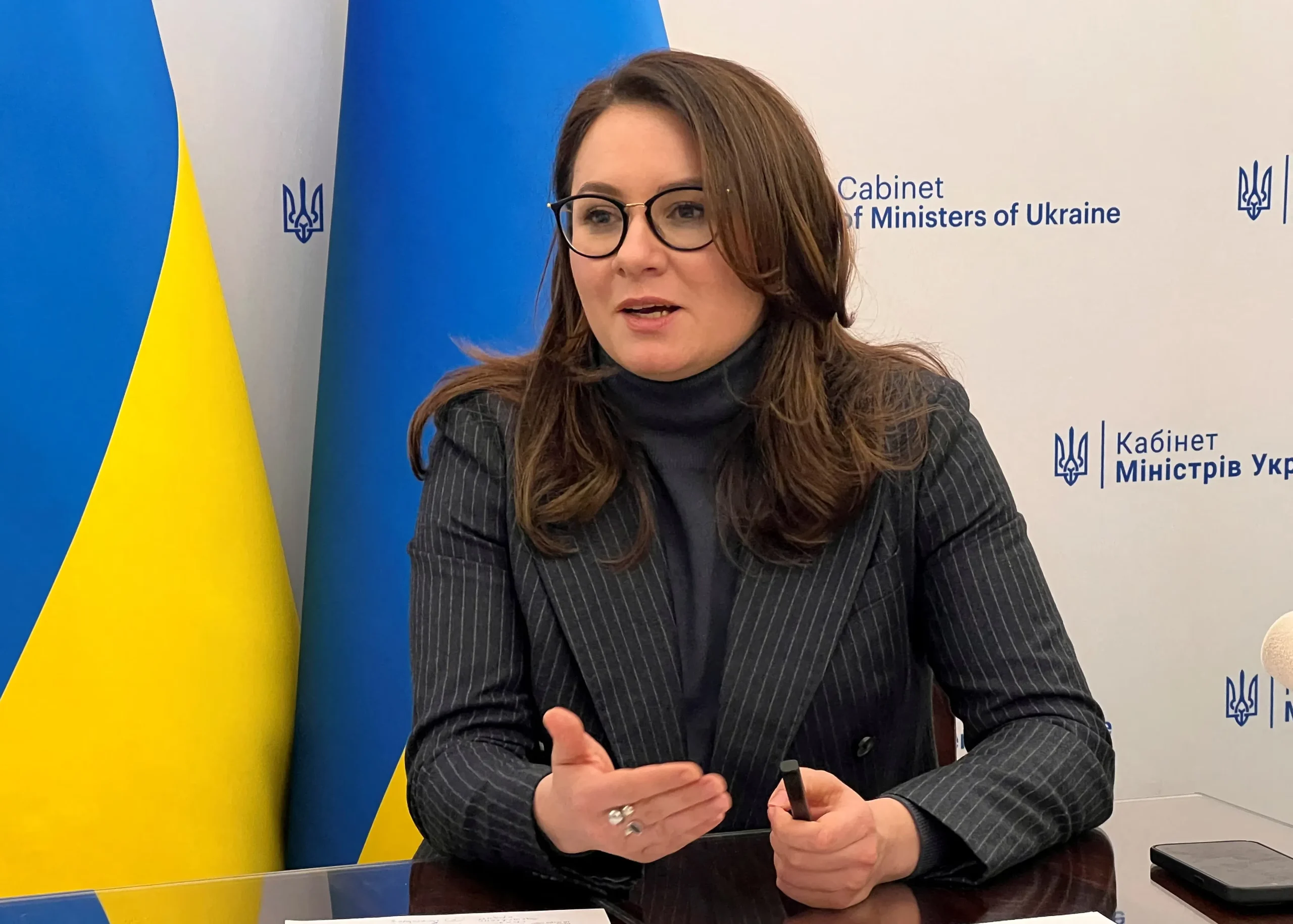
Ukrainian Prime Minister Yulia Svyrydenko resigned on Sunday, coinciding with President Volodymyr Zelenskyy’s announcement of significant changes to the country’s government. The announcement came as Zelenskyy stated that Ukraine is “changing its political strategy”, suggesting a shift in governance during a challenging time for the nation.

In her resignation statement shared on social media, Svyrydenko expressed pride in her tenure, referring to her role during one of Ukraine’s most difficult periods. She flagged ongoing discussions with Zelenskyy about forthcoming steps but did not elaborate on the specifics. Svyrydenko reaffirmed her commitment to serving the Ukrainian state and enhancing the country’s position in the face of adversity.

Appointed as Prime Minister in July 2025 at the age of 39, Svyrydenko had previously held the position of Economy Minister. Her leadership was pivotal in establishing a mineral agreement with the United States, aimed at connecting US interests with Ukrainian security.

Zelenskyy Signals Wider Government Reshuffle

Following Svyrydenko’s resignation, President Zelenskyy addressed the future direction of Ukraine’s foreign policy. In his announcement, he noted that each area of foreign policy would be assigned to experienced individuals, tasked with executing agreements reached at the leadership level. This approach aims to align Ukraine’s international partnerships more closely with national interests.

Zelenskyy also indicated forthcoming changes within Ukraine’s law enforcement agencies, suggesting a broader scope for the restructuring. The president explained the necessity of these reforms in fulfilling the expectations of the Ukrainian populace and ensuring effective governance.

While Svyrydenko’s departure marks a significant transition, the president’s plans indicate a thorough reassessment of governmental roles to enhance cooperation with key international partners. This step may be crucial for addressing ongoing challenges faced by Ukraine amid the current conflict.

Ongoing Conflict and Cross-Border Attacks Intensify

As political developments unfolded in Ukraine, military activities persisted along the border. Reports emerged of a Ukrainian assault in Russia’s Samara region, resulting in one fatality and injuries to three individuals, including a child. Local officials reported damage to residential structures and an unspecified industrial site, with Russian media alleging that the Syzran Oil Refinery was targeted.

In response to Ukraine’s actions, Russian sources confirmed the bombardment of the ports of Odesa and Chornomorsk in Ukraine’s Odesa region. No immediate statement from Ukrainian officials was available to address this claim. The intensity of cross-border skirmishes reflects the ongoing volatility between the two nations.

Ukraine’s drone operations against Russian infrastructure have triggered escalating fuel shortages in various regions. Motorists across Russia are experiencing extended wait times to refuel, exacerbating a wider fuel crisis. Moscow’s retaliatory strikes on Ukrainian cities have underscored the intermittent nature of conflict and the continuous threat posed by missile attacks.

President Zelenskyy has framed the drone strikes targeting Russian energy facilities as part of a strategy of “long-range sanctions,” aiming to exert pressure in response to Russia’s ongoing military endeavours in Ukraine. This cycle of attacks and counterattacks highlights the precarious state of affairs as both nations navigate the prolonged conflict.

Long or Short, get news the way you like. No ads. No redirections. Download Newspin and Stay Alert, The CSR Journal Mobile app, for fast, crisp, clean updates!

App Store –  https://apps.apple.com/in/app/newspin/id6746449540 

Google Play Store – https://play.google.com/store/apps/details?id=com.inventifweb.newspin&pcampaignid=web_share

Latest News

Popular Videos