


Trump Warned Netanyahu Israel Could Be ‘On Its Own’ If It Escalates Iran Conflict
The CSR Journal Magazine

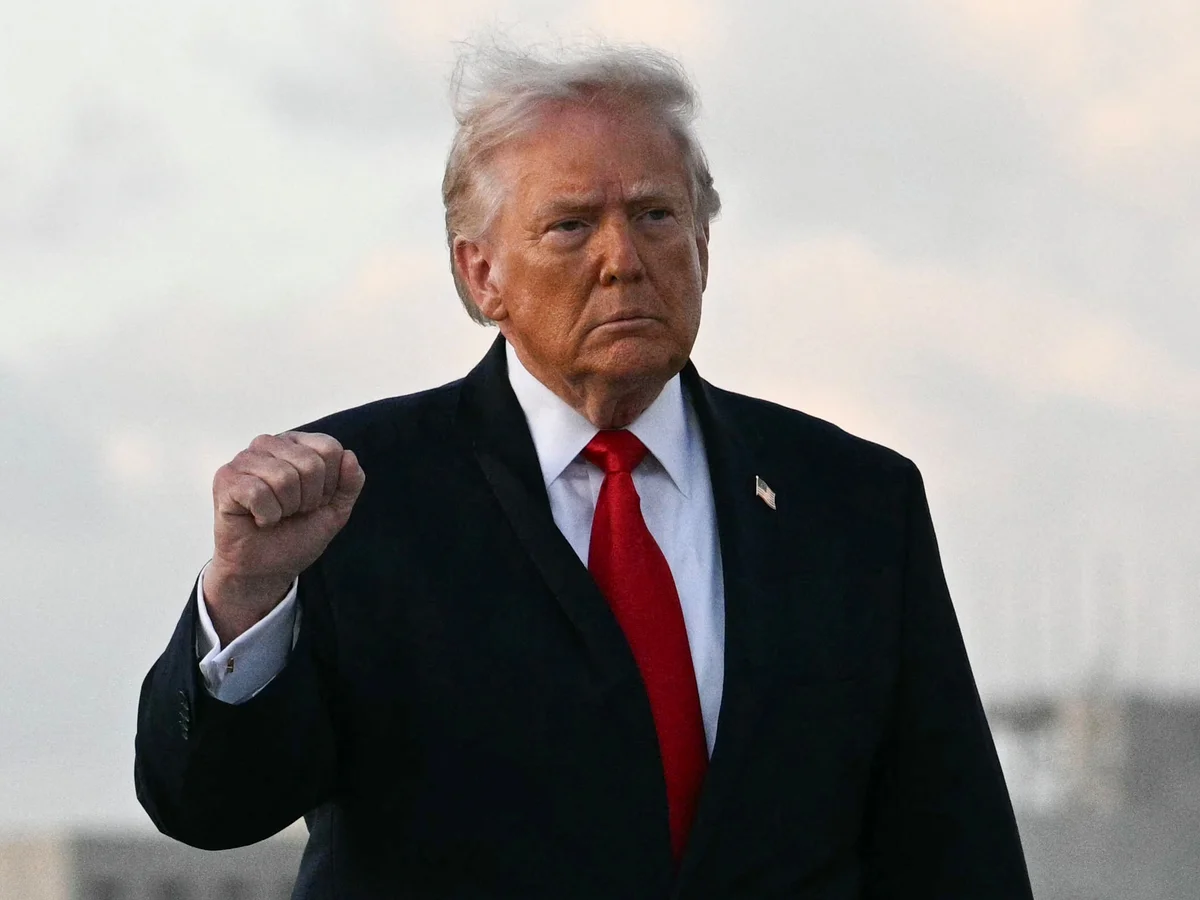
US President Donald Trump warned Israeli Prime Minister Benjamin Netanyahu that Israel could face growing international isolation if it resumed large-scale military operations against Iran, highlighting an emerging divide between Washington and Jerusalem over how to handle the escalating conflict in West Asia.

The warning came during a tense period of renewed hostilities between Israel and Iran, as both sides exchanged strikes that threatened to derail diplomatic efforts and reignite fears of a wider regional war. Trump’s remarks, revealed in comments to Axios, underscore the challenges facing his administration as it attempts to balance support for Israel with efforts to secure a negotiated settlement with Tehran.

The developments come as the Israel-Iran conflict crossed the 100-day mark, raising concerns about regional stability, global energy markets and the future of diplomatic engagement.

Trump Pushes For Restraint Amid Escalation

According to Axios, Trump personally urged Netanyahu to avoid expanding military operations against Iran, warning that further escalation could leave Israel increasingly isolated.

“I said, ‘Bibi, you better be careful, or you will be on your own very soon,'” Trump was quoted as saying.

The US President has reportedly spent months pursuing diplomatic channels aimed at securing a broader agreement with Iran and is said to believe that a breakthrough remains possible.

The warning followed Israeli strikes on Hezbollah-linked targets in Beirut on Sunday, which prompted an Iranian missile response against Israel. The exchange heightened fears that the conflict could evolve into a broader regional confrontation involving multiple actors across West Asia.

US and Israeli officials cited by Axios said Trump sought to prevent the situation from spiralling into a full-scale war while still recognising Israel’s right to defend itself against attacks.

Despite Washington’s concerns, Netanyahu informed US officials that Israel intended to proceed with limited military action. Subsequent Israeli strikes inside Iran triggered another round of Iranian missile launches toward Israeli territory.

While the United States did not participate directly in offensive operations, American forces reportedly assisted Israel in intercepting incoming missiles.

Netanyahu Defends Israel’s Military Campaign

In a televised address, Netanyahu defended Israel’s actions, arguing that military operations had significantly weakened both Iran and Hezbollah while preventing what he described as an imminent nuclear threat.

The Israeli Prime Minister claimed that a pre-emptive strike conducted a year earlier had prevented Iran from acquiring nuclear weapons and reiterated Israel’s longstanding position that Tehran must never be allowed to develop an atomic bomb.

Netanyahu also accused Hezbollah of preparing a large-scale assault on northern Israel involving thousands of fighters and extensive missile attacks. He said Israeli operations had disrupted those plans, weakened the group’s leadership and damaged its military infrastructure.

According to Netanyahu, both Iran and Hezbollah are seeking to establish what he called a “new equation” by launching attacks from Iranian and Lebanese territory. He argued that Israel’s military response was necessary to preserve deterrence and national security.

Although he indicated that Israel was currently refraining from further attacks because Iranian strikes had ceased, Netanyahu warned that any renewed aggression would be met with what he described as an “overwhelming force” response.

Diplomatic Efforts Face Critical Test

The latest crisis has exposed differing priorities between the Trump administration and the Israeli government.

Trump continues to argue that diplomacy offers the best path to preventing a wider conflict and has reportedly received signals through intermediaries that Iranian officials may be willing to halt attacks if Israel also exercises restraint.

According to reports, several regional governments have also contacted Washington urging efforts to prevent further escalation.

Netanyahu, however, has maintained that failing to respond decisively to Iranian attacks would weaken Israel’s deterrence posture and embolden its adversaries.

The contrasting approaches reflect a broader strategic debate over whether sustained military pressure or diplomatic engagement offers the most effective means of addressing the Iran-Israel confrontation.

As tensions remain high, the coming days are likely to determine whether recent exchanges represent a temporary flare-up or the beginning of another dangerous phase in one of the Middle East’s most volatile conflicts.

Long or Short, get news the way you like. No ads. No redirections. Download Newspin and Stay Alert, The CSR Journal Mobile app, for fast, crisp, clean updates!

App Store –  https://apps.apple.com/in/app/newspin/id6746449540 

Google Play Store – https://play.google.com/store/apps/details?id=com.inventifweb.newspin&pcampaignid=web_share

Latest News

Popular Videos
