


Supreme Court Resolves 70-Year-Old Land Dispute Involving Four Generations
The CSR Journal Magazine

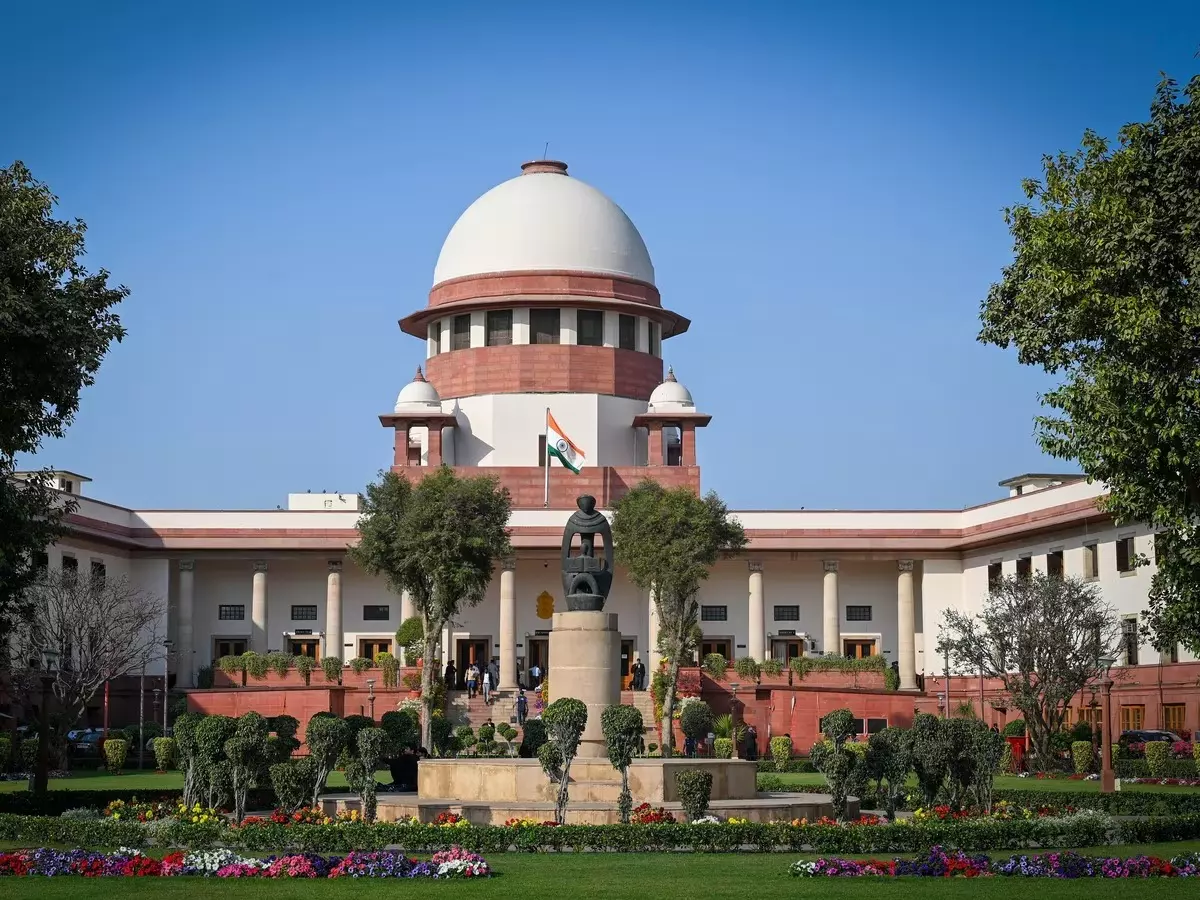
The Supreme Court has delivered a landmark verdict on a 15.5-bigha land parcel, concluding a legal conflict that has persisted for seven decades and involved four generations of the same family. The case traces its origins back to June 4, 1957, when Sharafat Ali, then a minor, had the land purchased through a registered sale deed by his father. Unbeknownst to the judges presiding over the case, who had not yet been born at that time, this transaction would lead to years of litigation.

The case escalated as the property was subject to various legal challenges over the decades. Sharafat Ali unfortunately passed away, and his heirs became embroiled in the dispute, marking a rare instance where four generations of a family navigated the complexities of a single property claim. The issues began during mutation processes, which are essential for updating government land records when ownership changes.

Initially, the original seller of the land contested the transfer during these mutation proceedings. However, the objection was later retracted, allowing the revenue authorities to acknowledge the sale. Yet, complications arose years later during land consolidation when it became apparent that the appellants were not listed as the official owners, leaving the land still registered in the seller’s name.

Court Proceedings and Final Judgment

The Supreme Court pointed out that the disorder began during the mutation proceedings and later entangled in the Uttar Pradesh Zamindari Abolition and Land Reforms Act, 1950, alongside assorted consolidation processes. The judges noted that the appellants’ commitment to their claim showed resilience amid drawn-out legal conflicts.

Even after various attempts by the Revenue Department to mediate the dispute failed, the case progressed through the judicial system to the Supreme Court, which ultimately sided with the appellants. This decision not only affirmed the family’s ownership but also highlighted the importance of maintaining accurate land records.

Community Impact of the Verdict

The conclusion of this long-standing dispute has brought significant relief to the family involved, as well as residents of Nasirpur Kalan village. Many locals had lived under the uncertainty caused by this unresolved land claim. With the Supreme Court’s verdict, the community anticipates that it will facilitate overdue development projects that have been stalled due to the ambiguity surrounding land ownership.

Furthermore, the resolution of this case serves as a critical precedent for similar disputes in the region, reinforcing the legal framework surrounding property ownership and rights. The legal validations provided by the Supreme Court aim to help clear administrative obstacles that have hindered progress in various local initiatives.

Overall, this verdict not only underscores the importance of judicial resolution in protracted property disputes but also brings a sense of finality that may encourage community development and cohesion in Nasirpur Kalan going forward.

Long or Short, get news the way you like. No ads. No redirections. Download Newspin and Stay Alert, The CSR Journal Mobile app, for fast, crisp, clean updates!

App Store –  https://apps.apple.com/in/app/newspin/id6746449540 

Google Play Store – https://play.google.com/store/apps/details?id=com.inventifweb.newspin&pcampaignid=web_share

Latest News

Popular Videos
