


Supreme Court of India Rules Ending Live-In Relationship Not Rape, Highlights Legal Nuance
The CSR Journal Magazine

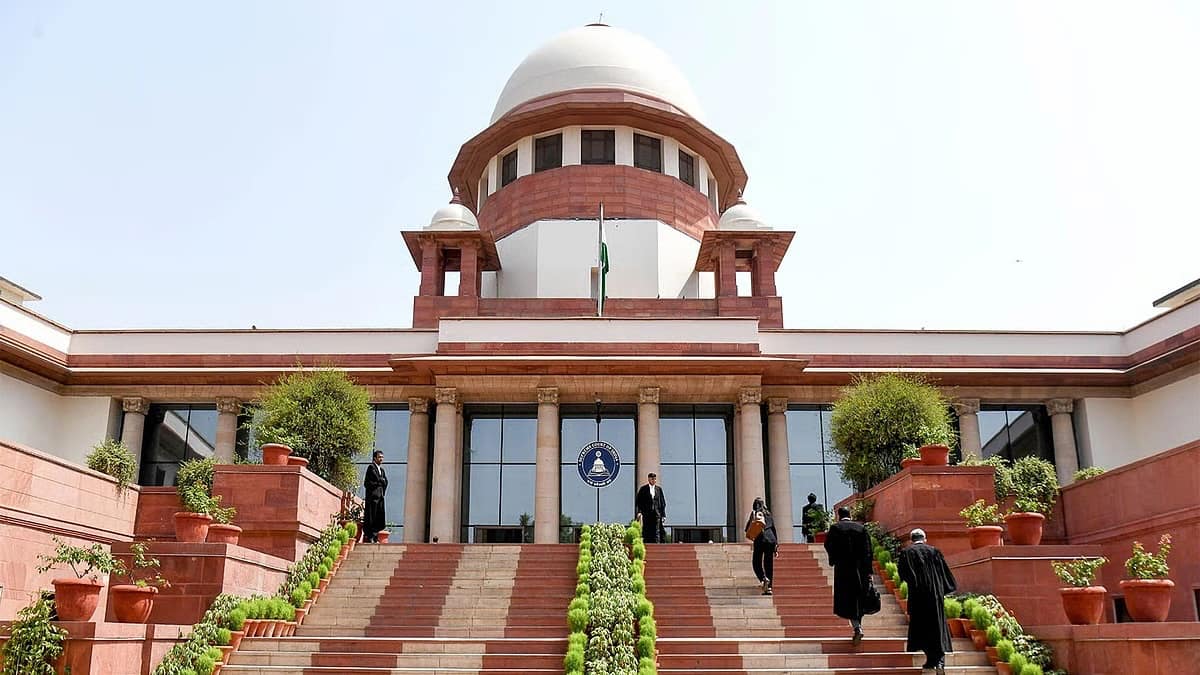
The Supreme Court has stated that the dissolution of a live-in relationship, even after years of consensual cohabitation, cannot be classified as rape. On Monday, the court underscored the need to avoid criminalising consensual relationships that subsequently deteriorate. Justice BV Nagarathna, while addressing accusations pertaining to rape based on a false promise of marriage, dismissed the woman’s claims of abuse by her partner. He expressed concerns about the unpredictability of such arrangements, noting that partners in live-in relationships could separate at any time.

The court remarked on the complexities associated with live-in relationships, emphasising that if couples separate, the woman might resort to filing a complaint against her partner for sexual assault. Justice Nagarathna articulated that these instances highlight the uncertainties inherent in relationships that occur outside of marriage.

Concern Over Consensual Relationships and Legal Implications

During the proceedings, the woman’s counsel claimed that the man was already married and had allegedly misled and mistreated her. Justice Nagarathna indicated that while the court could sympathise with her situation, it could not classify the consensual relationship as an offence.

He pointed out that the couple cohabited and completed their family as evidenced by the birth of a child, thus raising questions regarding the legitimacy of her claims of sexual assault. The judge noted that had there been a formal marriage, the woman’s entitlement to legal rights would have been more robust, allowing her to challenge issues such as bigamy or seek maintenance.

Justice Nagarathna reiterated that the absence of marriage means that either party can choose to leave the relationship at any time without facing legal repercussions. This reinforces the inherent risks documented in live-in arrangements.

Provisions for Child Maintenance Recognised by Court

Despite the complexities surrounding live-in relationships, the Supreme Court confirmed that the woman has the right to seek maintenance for her child. The court acknowledged that while such relationships might be deemed illegitimate, it affirmed that a child cannot be considered illegitimate.

This ruling highlights the legal framework surrounding child support in cases where parents are not married. The court suggested that parties involved in such disputes consider mediation as a viable alternative to litigation, promoting resolution amicably.

The Supreme Court’s observations are a reminder of the intricate dynamics within live-in relationships and the importance of understanding the potential consequences involving legal rights and responsibilities. The ruling aims to clarify the legal landscape for individuals engaged in these types of arrangements.

Long or Short, get news the way you like. No ads. No redirections. Download Newspin and Stay Alert, The CSR Journal Mobile app, for fast, crisp, clean updates!

App Store –  https://apps.apple.com/in/app/newspin/id6746449540 

Google Play Store – https://play.google.com/store/apps/details?id=com.inventifweb.newspin&pcampaignid=web_share

Latest News

Popular Videos
