


Prime Minister Modi Urges Indians to Reduce Edible Oil Consumption
The CSR Journal Magazine

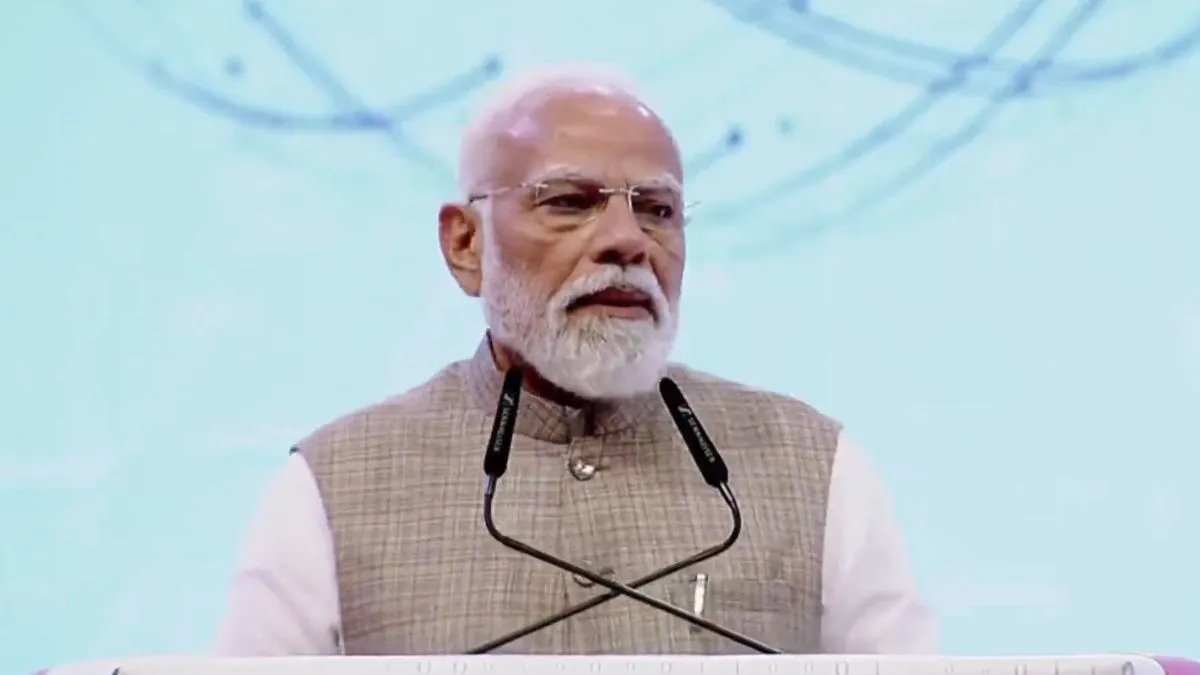
Prime Minister Narendra Modi has called on Indian citizens to minimise their consumption of fuel, gold, and edible oils. He stated that reducing the use of these products can significantly lessen the foreign currency expenditure on imports. Modi expressed that every household’s efforts in this regard could contribute positively to the nation’s financial health as well as benefit individual family members. This appeal comes amid ongoing geopolitical tensions in the Middle East.

Dependence on Imports Remains High

Edible oils constitute one of the most significant components of India’s import portfolio. The country’s reliance on imported oils has hovered between 55 per cent to 57 per cent over the last five years, indicating a persistent shortfall in domestic production. The estimated per capita consumption of edible oil in India is close to twenty kilograms annually, which has exacerbated the gap between local production and demand.

India imports large volumes of palm oil mainly from Indonesia and Malaysia, while sunflower oil is largely sourced from Russia and Ukraine. In 2025, the expenditure on edible oil imports soared to approximately $18.5 billion, a significant rise from $10.4 billion in 2020. This surge is attributed to various factors, including disruptions in global supply chains caused by the Russia-Ukraine conflict and a temporary ban on palm oil exports from Indonesia, resulting in escalating costs for essential imports.

The record import bill of $21 billion in 2022 further highlighted India’s vulnerability to global market fluctuations. Unlike gold, which is often viewed as a luxury, edible oils are daily essentials, making it challenging to find alternatives. This reliance underscores the need for a strategy to enhance domestic production capabilities and reduce import dependency.

Initiatives to Boost Domestic Oilseed Production

To mitigate the heavy reliance on imports, the Indian government has introduced the National Mission on Edible Oils-Oilseeds, which was approved in 2024. This comprehensive seven-year initiative, with an allocated budget of Rs 10,103 crore, aims to bolster domestic production of edible oils and diminish overseas dependencies by the financial year 2030-31.

This mission places a strong emphasis on increasing the output of key oilseed crops such as mustard, soybean, groundnut, and sunflower. Additionally, it focuses on improving oil extraction from secondary sources, including rice bran, cottonseed, and coconut, thereby enhancing the overall efficiency of domestic oil production.

Through this initiative, the government intends not only to boost self-sufficiency in edible oils but also to stabilise prices against global market fluctuations. By fostering local agriculture and production capabilities, India hopes to secure its supply chains and ensure greater economic resilience in the face of international disruptions.

Long or Short, get news the way you like. No ads. No redirections. Download Newspin and Stay Alert, The CSR Journal Mobile app, for fast, crisp, clean updates!

App Store –  https://apps.apple.com/in/app/newspin/id6746449540 

Google Play Store – https://play.google.com/store/apps/details?id=com.inventifweb.newspin&pcampaignid=web_share

Latest News

Popular Videos
