


Supreme Court To Hear Ram Mandir Donation Case On July 13
The CSR Journal Magazine

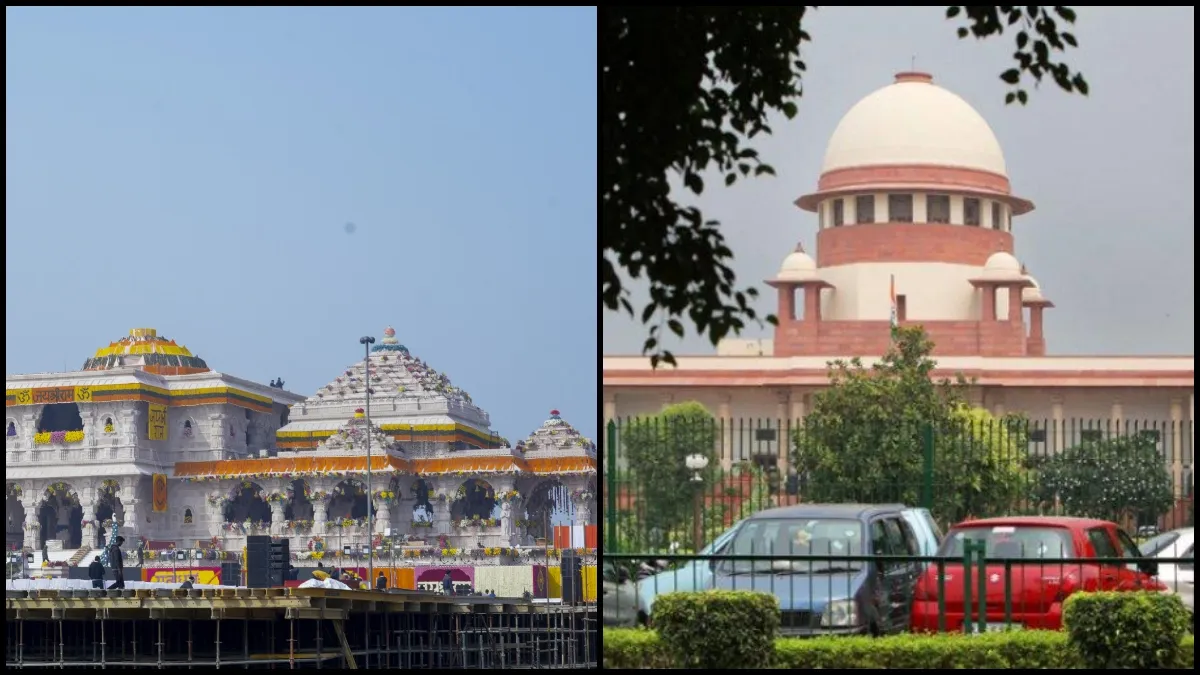
The Supreme Court is set to hear petitions regarding the alleged irregularities in the donation process for the Ram Mandir in Ayodhya on July 13. This announcement follows a series of petitions that claim the funds were misallocated or improperly solicited. The case has garnered nationwide attention, primarily due to the temple’s significance in Indian culture and politics.

The Ram Mandir, which is under construction in Ayodhya, has symbolised various socio-political movements over decades. The temple’s foundation stone was laid on August 5, 2020, after a prolonged legal battle over its site, which was previously home to the Babri Masjid. The current legal proceedings focus on the financial aspects associated with the temple’s construction and the associated donation drives.

The petitions call for a Central Bureau of Investigation (CBI) probe into the matter, alleging misuse of funds and discrepancies in the reported donations. The Supreme Court’s decision to take up the matter reflects its importance and the public interest involved in the financial management surrounding the temple’s development.

Details Surrounding the Petitions

The petitions filed urge the court to thoroughly investigate the accounts of the Trust managing the temple’s construction. Allegations have surfaced regarding the sources of contributions and whether any unlawful practices were involved. According to the petitions, transparency in the financial dealings is essential given the scale of the donations received.

The Ram Mandir Trust, established for the construction and maintenance of the temple, has reportedly received considerable financial assistance from various donors, both domestic and international. These contributions have raised questions about the accountability mechanisms in place, prompting calls for a judicial examination. The ongoing legal discourse aims to ensure that the funds are utilised appropriately and in accordance with legal standards.

Various legal experts have noted that should the court order a CBI investigation, it may involve extensive scrutiny of multiple stakeholders, including individual donors, the Trust’s trustees, and the procedures employed to solicit contributions. This could lead to a significant shift in the management of religious donations in India, which often lack regulatory oversight.

Implications for Trust and Contributors

The outcome of the Supreme Court hearing on July 13 may have considerable implications for the Ram Mandir Trust and its operations. Should the court find merit in the petitions, it could result in recommendations for enhanced transparency measures for religious organisations across the country. This could affect not just the Ram Mandir Trust but other similar entities as well.

Supporters of the temple view the ongoing investigations sceptically, concerned that they could undermine the temple’s image and the intentions of its supporters. In contrast, critics argue that scrutiny is necessary to prevent any exploitation of faith for financial gain and to uphold public trust in philanthropy.

The petitions underscore a broader concern about the regulation of religious donations in India, a topic that has been a point of contention in various contexts. The Supreme Court’s examination will likely bring to light issues surrounding the management of funds and the ethical considerations involved in solicitation practices.

Long or Short, get news the way you like. No ads. No redirections. Download Newspin and Stay Alert, The CSR Journal Mobile app, for fast, crisp, clean updates!

App Store –  https://apps.apple.com/in/app/newspin/id6746449540 

Google Play Store – https://play.google.com/store/apps/details?id=com.inventifweb.newspin&pcampaignid=web_share

Latest News

Popular Videos
