


Supreme Court Cracks Down on Judgment Delays, Issues Fresh Directions to HCs
The CSR Journal Magazine

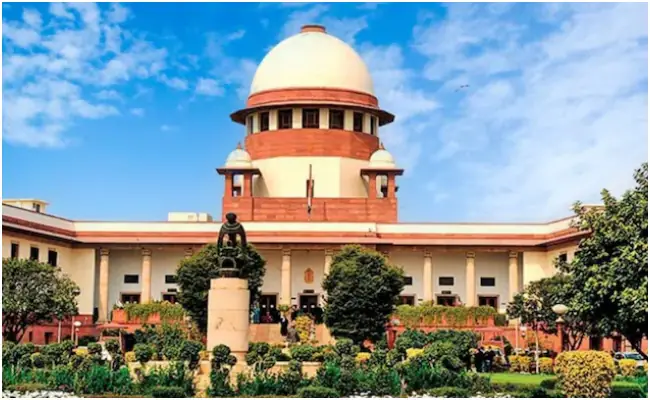
The Supreme Court has invoked Article 142 of the Indian Constitution to address the systemic issue of delays in the delivery of judgments by high courts across the country. This measure aims to enhance the efficiency of the judicial process and ensure timely justice for litigants waiting for verdicts on their cases.

Specific Directions Issued to High Courts

The directive encompasses a series of measures that high courts must implement to streamline judicial proceedings. Among these measures is the establishment of time frames within which cases should be decided, with a focus on expediting the resolution of long-pending matters.

The court has emphasised the importance of maintaining a swift and effective legal process, urging high courts to adopt measures that will significantly reduce delays. This includes possibly increasing the number of judges in specific areas and utilising technology to aid in case management. The Supreme Court also called for improved administrative practices to enhance productivity within the courts.

Legal experts acknowledge the challenges posed by the backlog of cases, which has led to prolonged waiting times for litigants. As a result, the Supreme Court’s intervention could provide a much-needed impetus for reforms within the judiciary, fostering a system that prioritises timely justice.

Judicial Backlog and Its Implications

The issue of judicial backlog has been a longstanding concern in India. Recent statistics indicate that millions of cases are pending in various courts, including the Supreme Court itself. The delay in delivering justice has raised questions about the effectiveness of the judicial framework and its capability to uphold the rule of law.

In light of the significant number of pending cases, the Supreme Court’s recent directions are seen as a crucial step towards alleviating the pressures faced by the judiciary. By mandating that high courts adopt timely practices, the Supreme Court is working to restore faith in the judicial system and ensure access to justice for all citizens.

Additionally, the implications of judicial delays extend beyond inconveniences for litigants. Prolonged legal battles can lead to financial strain and increased anxiety for those involved, making the timely resolution of cases not just a legal necessity but a humanitarian one as well.

Future Perspectives on Judicial Reform

The Supreme Court’s directive may pave the way for broader judicial reforms in India. Legal scholars have suggested that restructuring the judiciary to better address case inflows, optimising court schedules, and integrating advanced technology into the judicial process are vital for long-term improvements.

Moreover, there are calls for the government to consider increasing funding for the judiciary, enabling the recruitment of more judges and support staff. This financial investment may facilitate faster processing of cases and improve overall access to justice.

As the legal community and policymakers reflect on the Supreme Court’s recent initiative, the hope is that these changes will lead to significant improvements in the judicial system. Ending delays in case resolution will not only benefit individual litigants but will also ensure that the fundamental principles of justice and fairness are upheld in the nation’s legal framework.

Long or Short, get news the way you like. No ads. No redirections. Download Newspin and Stay Alert, The CSR Journal Mobile app, for fast, crisp, clean updates!

App Store –  https://apps.apple.com/in/app/newspin/id6746449540 

Google Play Store – https://play.google.com/store/apps/details?id=com.inventifweb.newspin&pcampaignid=web_share

Latest News

Popular Videos
